





Framed Expressionist Oil Portrait
A framed expressionist oil portrait brings raw emotional intensity and heavy brushwork directly to your wall.
Framed Expressionist Oil Portrait
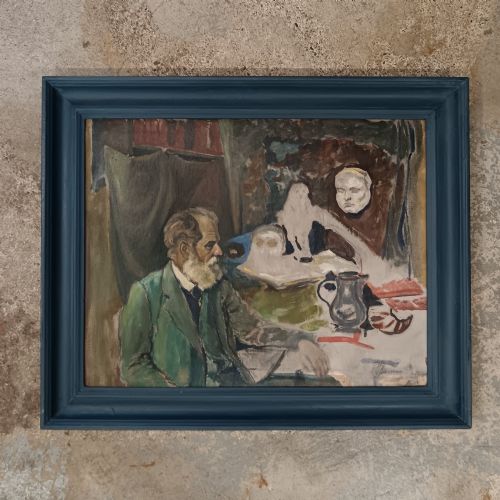
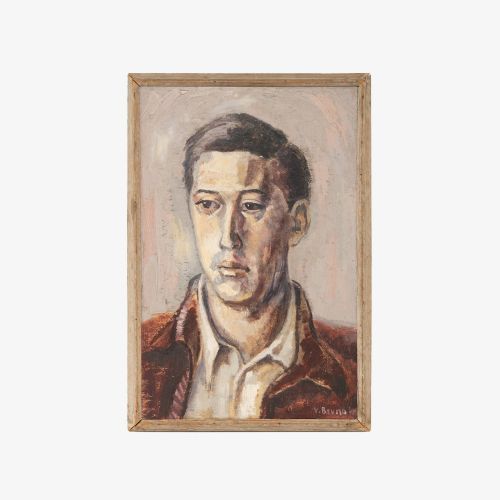
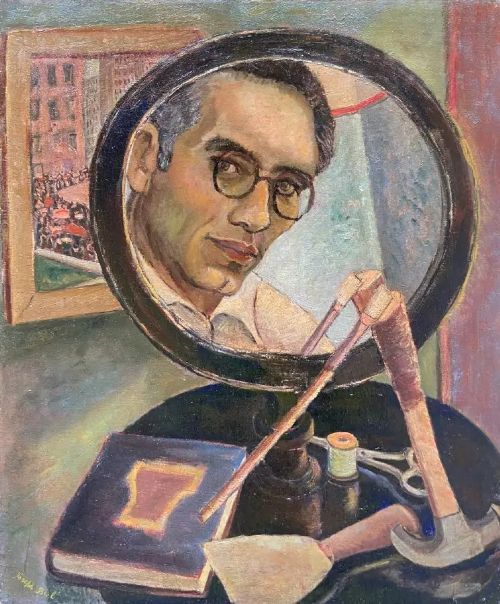
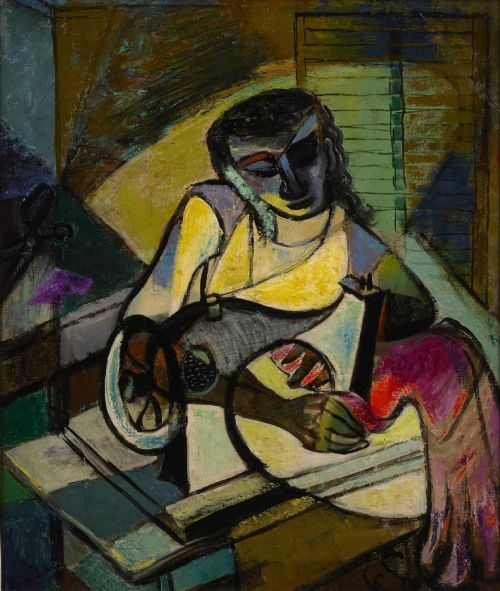
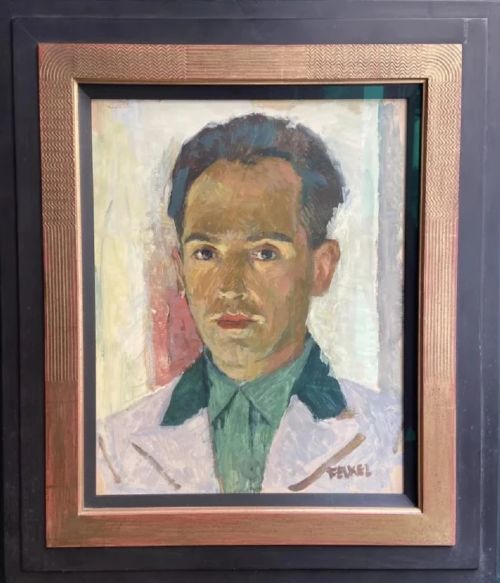
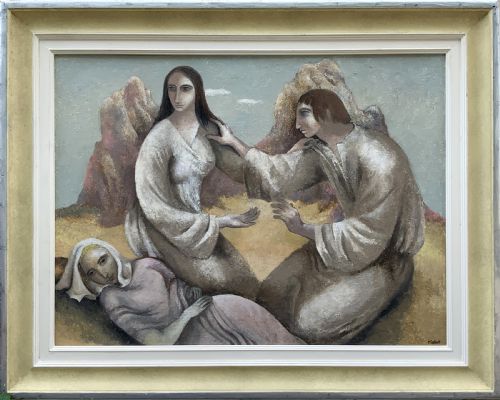
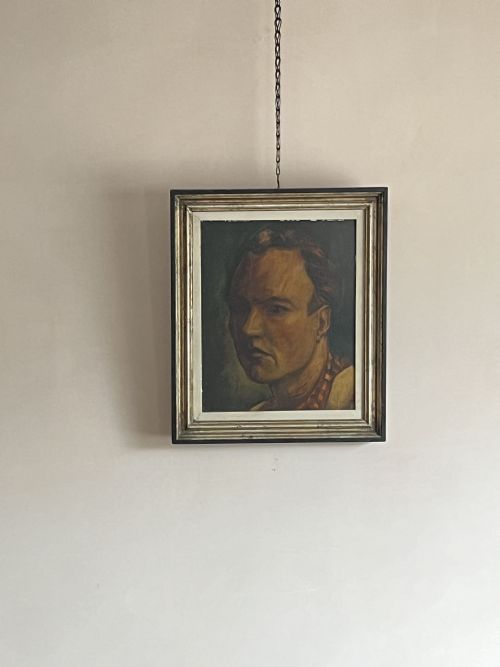
A framed expressionist oil portrait captures human subjects through distorted forms, bold colour choices and visible, textured brushstrokes. When you search for a framed expressionist oil portrait, you encounter works spanning from the Edwardian era through the nineteen-fifties, with the nineteen-thirties and nineteen-forties heavily represented. These pieces range from intimate self-portraits to striking nudes and abstract character studies.
The compositions on offer originate from various European and American schools, including British, French and German modernism. Most examples are mounted in period wooden frames that complement the heavy pigment and energetic application of the paint. You will find works executed on traditional canvas as well as sturdy board and panel supports.
Materials and construction
The supporting frames are predominantly constructed from wood, occasionally enhanced with metallic leaf finishes to accent the perimeter of the artwork. Canvases are sometimes laid directly onto rigid board substrates for added durability over the decades.
Framed Expressionist Oil Portrait Retail Price Guide 2026
Typical asking prices for framed expressionist oil portrait among the pieces listed under this phrase on Sellingantiques today, from the lower quarter to the upper quarter. They describe what is for sale here now, not the wider market.
Listings feature works spanning from the Edwardian era through the nineteen-sixties, executed in oil on canvas, board and panel.
Assessing quality and impact
Quality in these works rests upon the confidence of the brushwork and the psychological intensity conveyed by the artist. Superior examples demonstrate a masterly control over distortion and colour harmony, turning a simple human subject into a compelling emotional encounter.
The integrity of the original frame and the stability of the paint surface also dictate the standing of a piece. Works that retain their authentic period mountings and show minimal pigment cracking or canvas slackening hold a stronger presence on the wall.
Carl Felkel·Joseph Biel·Lena Gurr·Christine Nesbit·Tony Giles·Gaetan Dumas·Baruch Shalom Oskotsky·Jean Hippolyte Marchand·Pinchus Krémègne·Yetta Kane·Raymond Arthur Roadnight·Richards Rubin·Bernard Meninsky
The Framed Expressionist Oil Portrait Glossary
- Impasto
- Paint applied thickly to a canvas or board, leaving the marks of the brush or palette knife clearly visible in relief. This technique gives the portrait a tactile, three-dimensional quality.
- Expressionism
- An artistic style where the artist seeks to depict emotional experience rather than physical reality. Figures and landscapes are often distorted for expressive effect.
- Canvas laid on board
- A traditional conservation method where a fabric canvas painting is permanently adhered to a rigid wooden or composite backing. This prevents sagging in older works.
- Metallic leaf
- Extremely thin sheets of metal, such as gold or silver tone, applied to wood frames or occasionally within the artwork itself. It provides a reflective border that contrasts with matte oil paint.
Framed Expressionist Oil Portrait: Frequently Asked Questions
How do I date a framed expressionist oil portrait?
Dating relies heavily on stretcher construction, canvas types, framing styles and any inscribed dates or signatures left by the artist on the reverse.
Comparison with documented periods like the nineteen-thirties or nineteen-forties modern movements also helps establish a reliable timeline for the artwork.
Where should I hang these portraits?
These works demand a prominent wall space with stable lighting away from direct, harsh sunlight to protect the oil pigments and wooden frames over time.
Pairing them with neutral wall colours allows the bold brushwork and heavy impasto to stand out effectively in a room.
Are all these portraits signed by the artist?
Many pieces feature visible signatures, often placed in a lower corner, while others remain unsigned due to the experimental nature of the modernist period.
Unsigned works are attributed through stylistic analysis, brushwork comparison and framing evidence rather than a direct signature.
What is the difference between canvas and board supports?
Canvas supports offer a traditional woven texture that yields slightly under pressure, whereas board and panel supports provide a completely rigid surface for the oil paint.
Both materials were utilised extensively throughout the twentieth century depending on the artist's immediate preference and availability of supplies.