

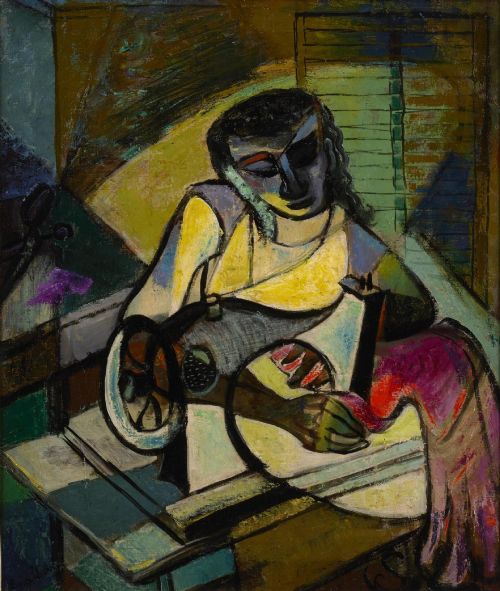
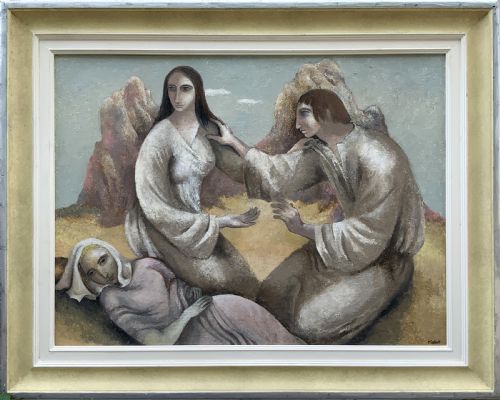
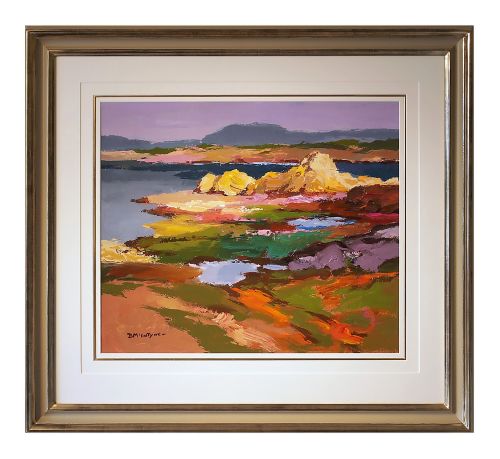
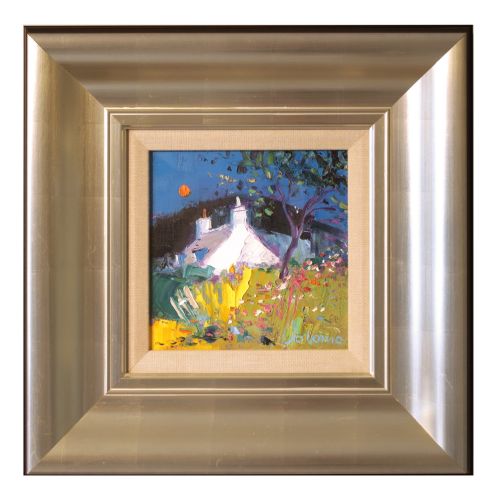


Framed Expressionist Oil Painting
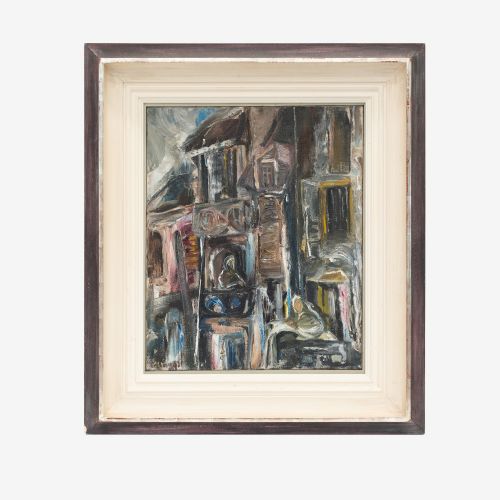
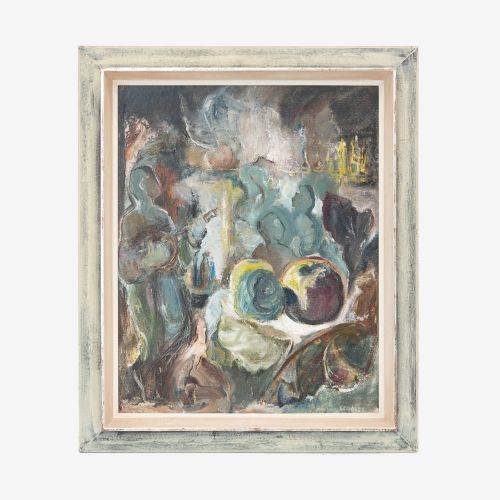
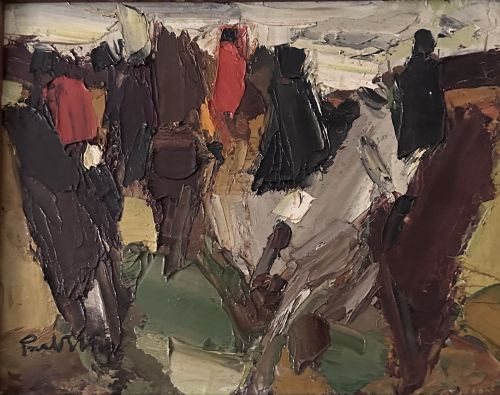
A framed expressionist oil painting captures raw emotion and urgent brushwork, offering a powerful focal point for any interior.
Framed Expressionist Oil Painting
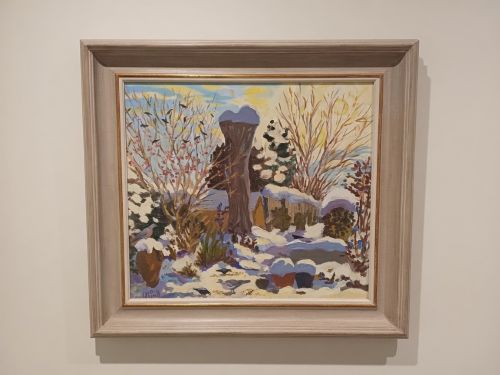
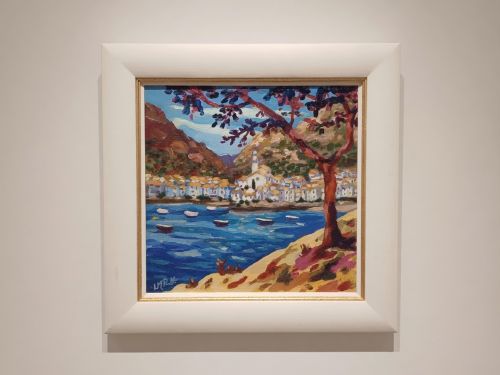
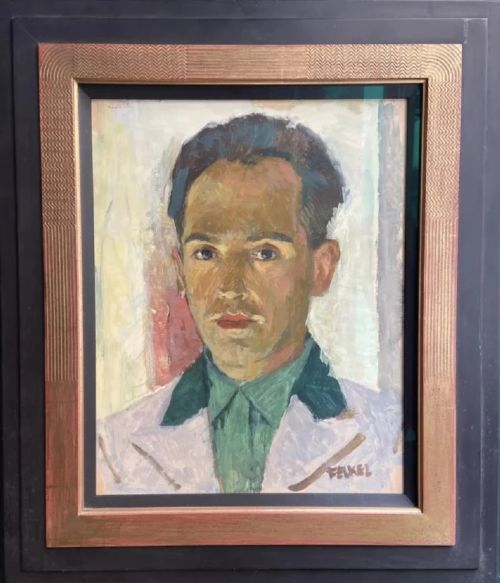
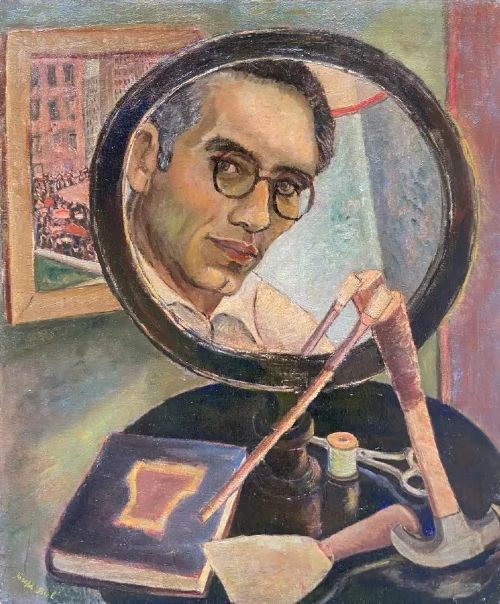
A framed expressionist oil painting represents a bold departure from traditional realism, prioritising subjective emotional experience over literal depiction. When searching for a framed expressionist oil painting, collectors encounter dynamic canvases spanning portraits, cityscapes, and rural scenes.
The selection here encompasses works from the 19th Century, Edwardian era, 1920s, 1930s, 1940s, 1950s, 1960s, and later periods. Mid-century examples dominate, reflecting the robust output of British, French, and German modernist movements during those decades.
Subjects range from tranquil still lifes and Cornish coastal views to gritty urban streetscapes and intimate self-portraits. Each piece arrives ready to hang within its period wooden enclosure, preserving the distinct character intended by the creator.
How they were made
Artists built these compositions primarily using oil paint applied to stretched canvas or wooden board. The heavy vehicle allowed creators to manipulate texture directly on the support.
Impasto techniques feature prominently across the works, laying down thick, raised ridges of pigment that catch the light. This physical buildup of paint creates a sculptural quality on the surface of the canvas.
Makers housed their works within custom wooden frames designed to complement the vigorous brushstrokes and intense colour palettes. These surrounds complete the presentation while protecting the fragile margins of the canvas or board.
The listings feature oil paintings executed on canvas and board across periods from the 19th Century to later than 1960.
What varies in quality
The strength of the composition and the confidence of the brushwork dictate the standing of an individual piece. Works that balance chaotic energy with intentional colour harmony demonstrate superior artistic execution.
Material preservation significantly influences overall integrity, particularly the stability of the thick impasto layers against the underlying canvas or board. Intact original wooden frames that complement the painting without overpowering it also add to the cohesion of the piece.
Lucy Pratt·Carl Felkel·Joseph Biel·Lena Gurr·Christine Nesbit·Donald McIntyre·John Lowrie Morrison·Vladimir Aldoshin·Lilian Colbourn·Joan Gillchrest·Tony Giles·Hazel M Barnett·Gaetan Dumas·Gabriel Dauchot·Mercedes Legrand·Baruch Shalom Oskotsky·Hein Hoppmann·Leon Kossoff·William McCance·Jean Hippolyte Marchand
The Framed Expressionist Oil Painting Glossary
- Impasto
- The process of laying paint on canvas in very thick layers that stand out from the surface. This technique allows brush or palette knife marks to remain visibly prominent.
- Expressionism
- An artistic style where the artist seeks to depict subjective emotions rather than objective reality. It relies heavily on distorted forms and vivid colour choices.
- Canvas
- A closely woven heavy fabric utilised as a surface for oil painting. It is typically stretched tightly across a wooden frame before work begins.
- Board
- A rigid flat panel used as a sturdy alternative to stretched canvas. Artists applied oil paint directly to this solid backing during the mid-century period.
- Post-Impressionism
- A predominantly French art movement that extended Impressionism while rejecting its limitations. Practitioners relied on heavier symbolic use of colour and distinct brush application.
Framed Expressionist Oil Painting: Frequently Asked Questions
What defines expressionist oil paintings?
Expressionist oil paintings focus on conveying internal emotional states and subjective experiences rather than rendering a realistic visual copy of the physical world. Artists utilise distorted forms, exaggerated perspectives, and non-naturalistic colour choices to evoke specific moods in the viewer.
These works rely on visible, energetic mark-making where the physical application of pigment becomes as important as the subject itself. The resulting surfaces often feature heavy impasto and rapid brushwork that capture the immediate impulse of the creator.
How do I hang a heavy oil painting?
Heavy oil paintings require secure wall anchors and appropriate load-bearing hardware screwed directly into wall studs to support the combined weight of the canvas, stretcher bars, and wooden frame. Wire hanging systems must be properly rated and tightly secured to the structural elements of the frame.
Position the artwork at eye level, typically around eye height from the floor to the centre of the canvas, ensuring it avoids direct sunlight and moisture fluctuations. Proper placement protects the oil paint and wooden support from environmental degradation over time.
Where were mid-century expressionist works produced?
Mid-century expressionist works originated across various European and American artistic hubs, with significant output emerging from Britain, France, and Germany. Studios in Paris, London, and regional coastal communities produced vibrant concentrations of modernist and avant-garde imagery.
Artists responded to the turbulent sociopolitical landscape of the mid-twentieth century by establishing regional groups and exhibiting in local galleries. This cross-pollination of ideas fostered diverse regional interpretations of expressionist principles.