

Framed Dutch Still Life
Framed dutch still life works bring centuries of botanical and domestic observation into rooms through enduring oil and panel compositions.
Framed Dutch Still Life
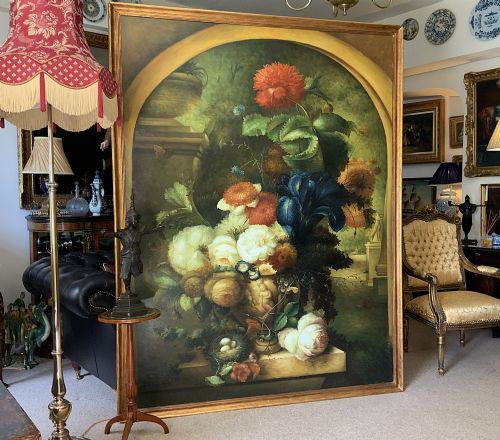
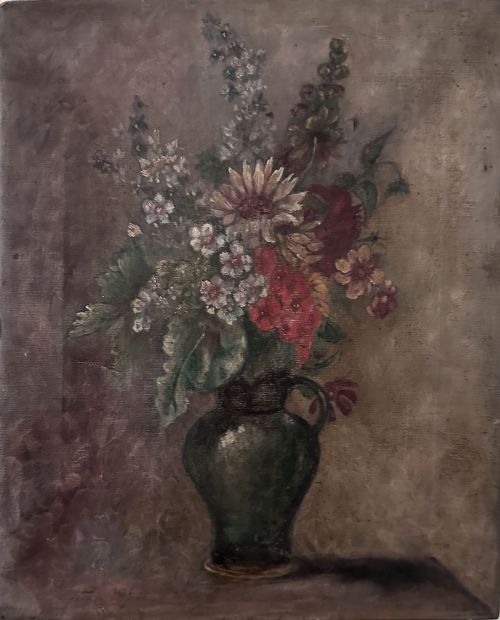
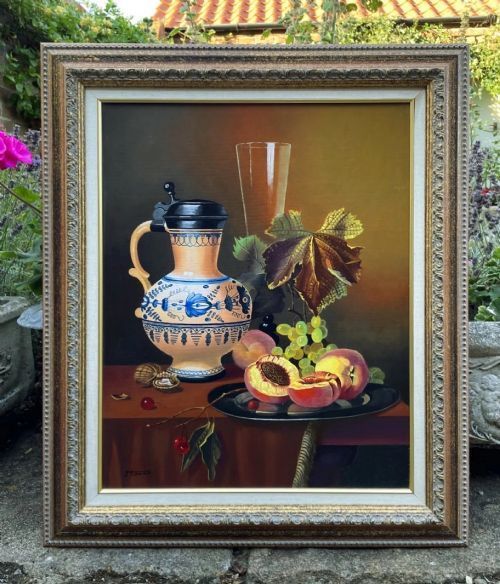
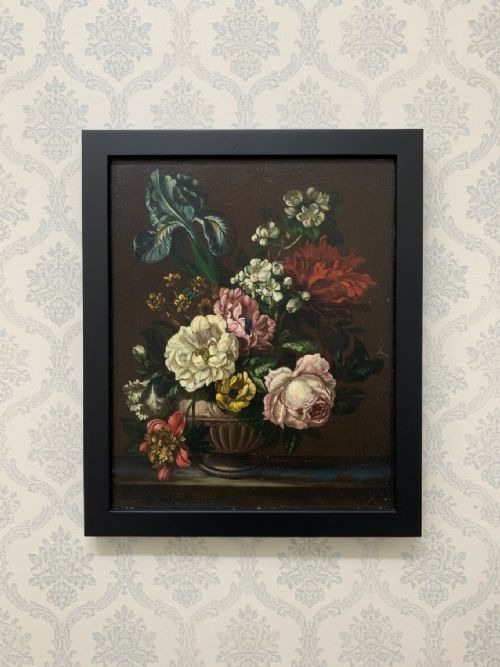
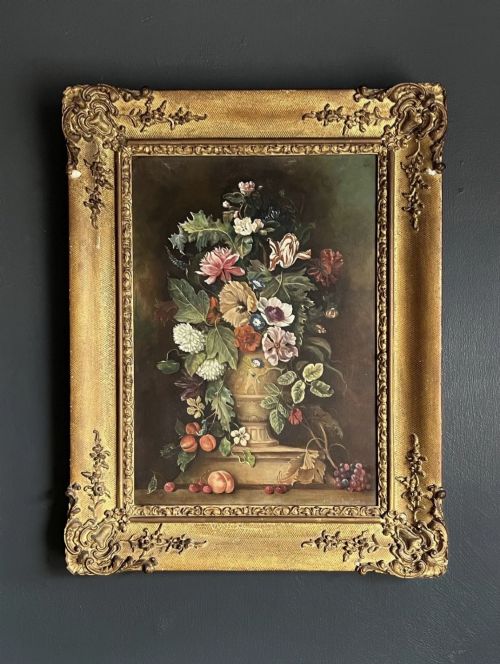
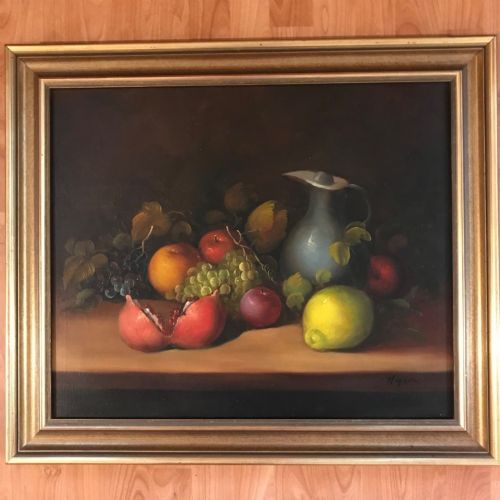
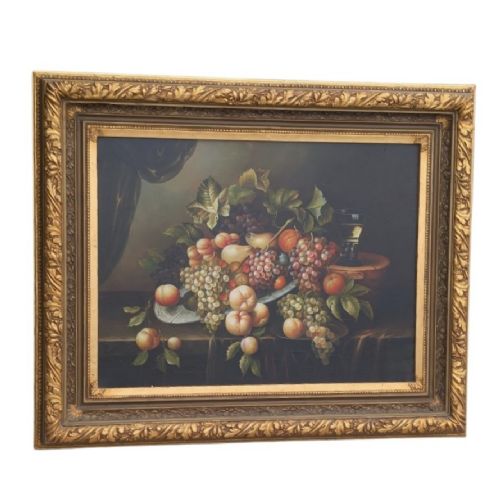
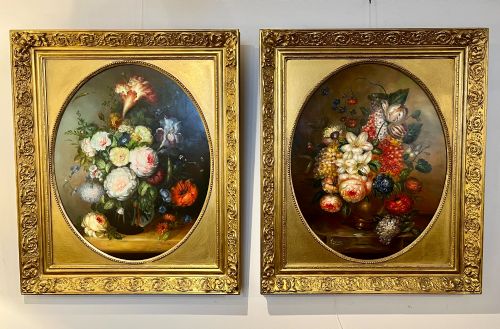
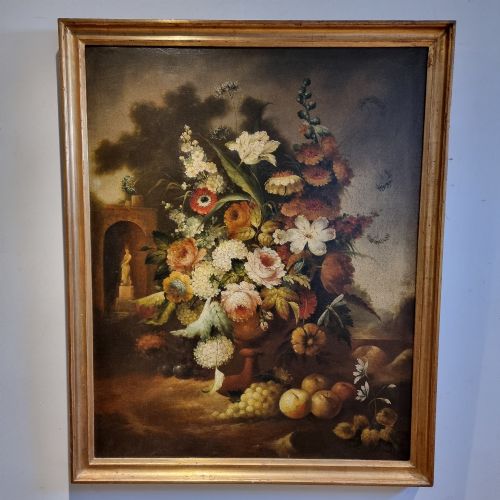
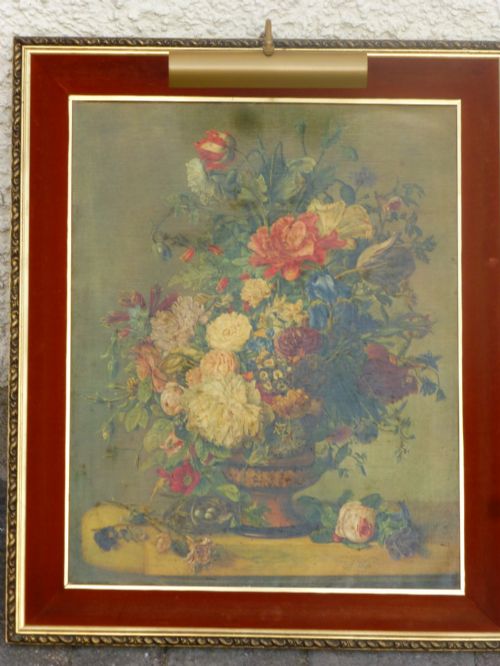
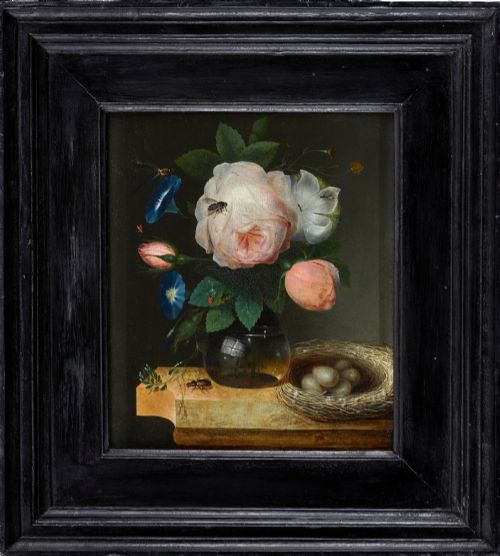
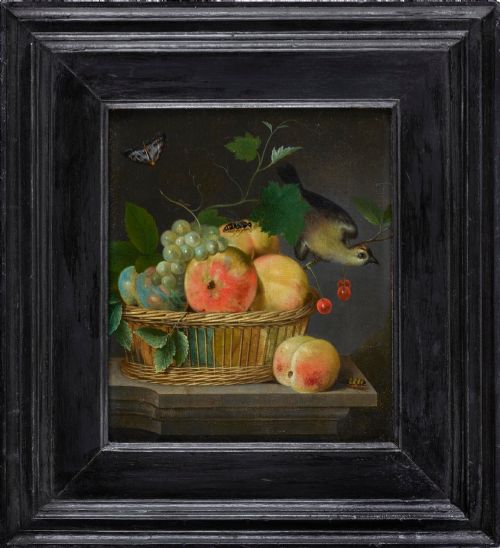
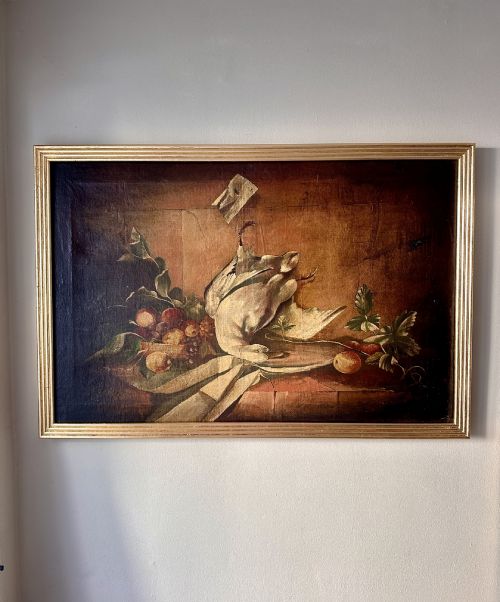
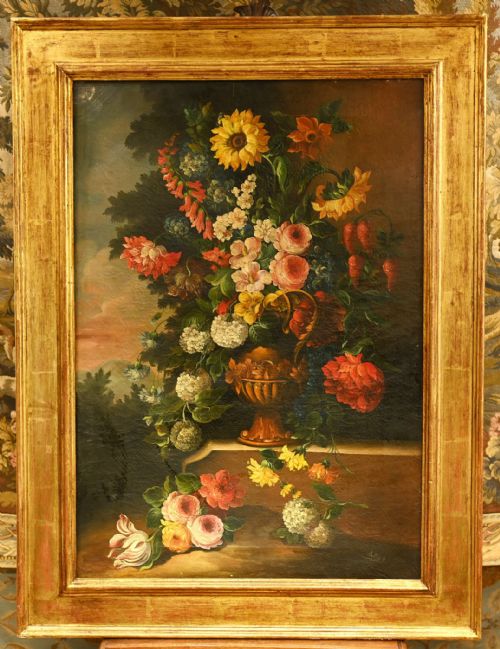
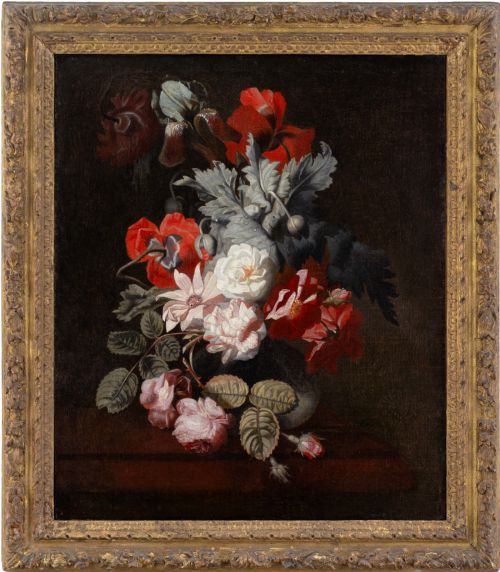
A framed dutch still life captures meticulous arrangements of flowers, fruit, game and household objects rendered in oils across panels and canvases. Buyers encounter examples spanning from the seventeenth century through to mid-twentieth century revivals and interpretations.
The selections on this page lean heavily towards seventeenth-century originals, eighteenth-century compositions, and later nineteenth to twentieth-century Dutch style oil paintings. These works range from intimate miniature formats to monumental seven-foot decorative canvases.
Subjects frequently centre on floral bouquets in glass vases, wicker baskets laden with fruit, or game pieces styled after the Baroque tradition. Each piece carries the distinct weight of its period, whether created during the Dutch Golden Age or later nineteenth-century revivals.
How they were made
Artists applied oil paint using fine brushes to build layered textures on canvases, wood panels, or oak supports, capturing the translucent quality of petals and the sheen of fruit skins. Ground layers and gesso prepared the surfaces to hold luminous pigments over centuries.
Surviving works are typically housed in gilded wood frames adorned with moulded gesso detailing that complements the richness of the painted subject. These frames range from ornate seventeenth-century mouldings to later revival surrounds.
Periods represented span from the seventeenth century through to the 1960s.
What varies in quality
Quality rests in the precision of the brushwork, the depth of colour in the pigments, and the naturalism of the arrangement. Masterworks display nuanced handling of light and shadow, particularly in the rendering of glass, water, and intricate foliage.
The integrity of the underlying canvas or wood panel and the harmony between the painting and its original or period gilt frame dictate the overall standing of an individual piece.
Gaspar Peeter Verbruggen·Frans Snyders·Simon Pietersz Verelst·Terence Loudon·Julien Stappers
The Framed Dutch Still Life Glossary
- Oil on panel
- A painting executed on a wooden board rather than stretched fabric. This substrate was favoured by earlier artists for its rigid surface.
- Baroque
- An artistic style characterised by dramatic lighting, rich detail, and deep shadows. It defines many seventeenth-century floral and game compositions.
- Gesso
- A plaster-like mixture applied to wood or canvas to create a smooth surface for painting or gilding. It provides the base for ornate frame decorations.
- Trompe l'oeil
- An artistic technique that creates an optical illusion of three-dimensional space and reality. These paintings trick the eye into seeing physical objects.
- Oleograph
- A mechanical colour print textured to imitate an oil painting. Examples appear alongside genuine hand-painted works in historical collections.
Framed Dutch Still Life: Frequently Asked Questions
How do I identify a true seventeenth century piece?
Examine the preparation of the wood panel or canvas weave alongside the pigment stability and style. Earlier works display characteristic craquelure and authentic materials consistent with the period.
Consulting signature handling and subject conventions typical of the Dutch Golden Age helps confirm the creation era.
Are these paintings supplied ready to hang?
Most works come housed within their period gilt gesso frames and include hanging hardware attached to the reverse. They are preserved for immediate wall display.
Checking the structural condition of the surrounding frame ensures it safely supports the weight of the canvas.
What is the difference between panel and canvas works?
Panel paintings utilise solid wood supports like oak, which provide a completely rigid base for detailed brushwork. Canvas works use stretched woven fabric that offers flexibility.
Both supports require stable environmental conditions to prevent warping or tension changes in the paint layer.
How should I care for an antique oil painting?
Keep the artwork away from direct sunlight, heating vents, and extreme humidity fluctuations to protect the wooden supports and canvas. Dust the surface gently with a soft, dry cloth.
Avoid using any liquid cleaners or solvents on the painted surface or the gilded frame.