


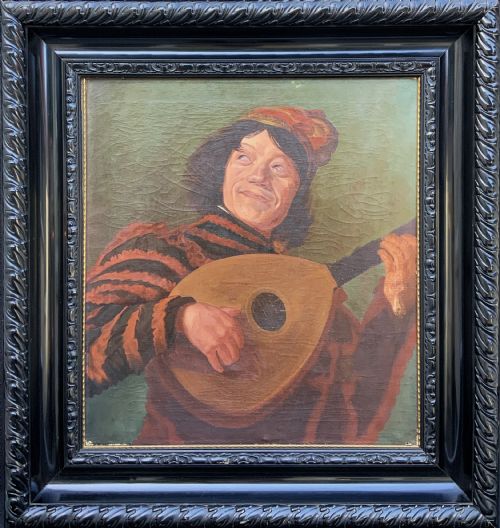
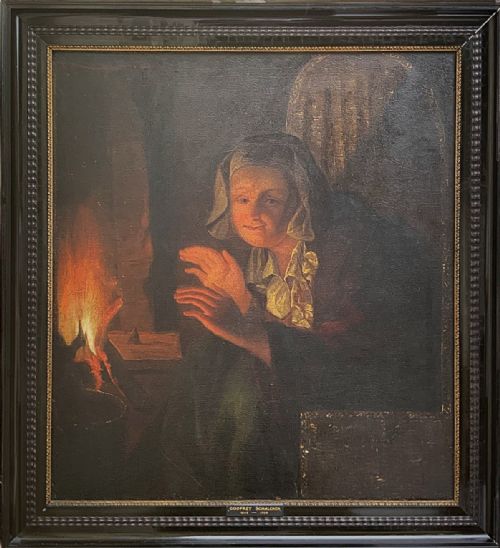
Framed Dutch Baroque Painting
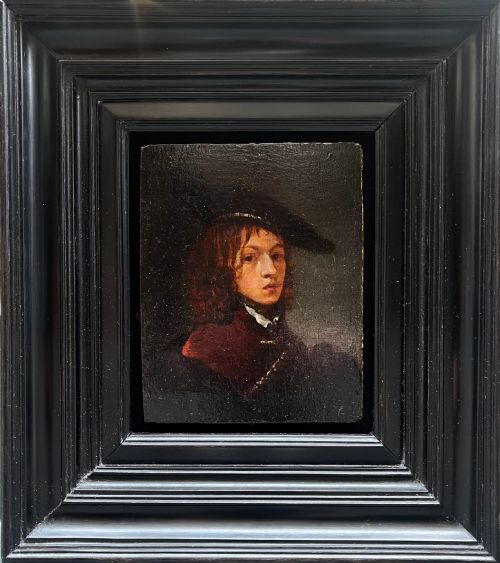
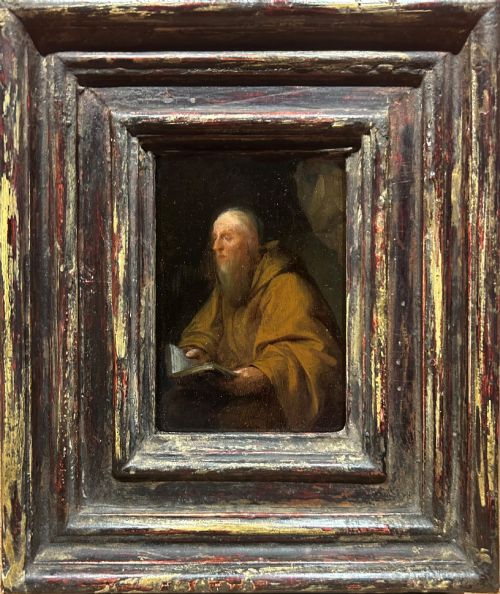
When you search for a framed dutch baroque painting, you find centuries of dark canvases, heavy giltwood, and severe portraiture that command any wall.
Framed Dutch Baroque Painting
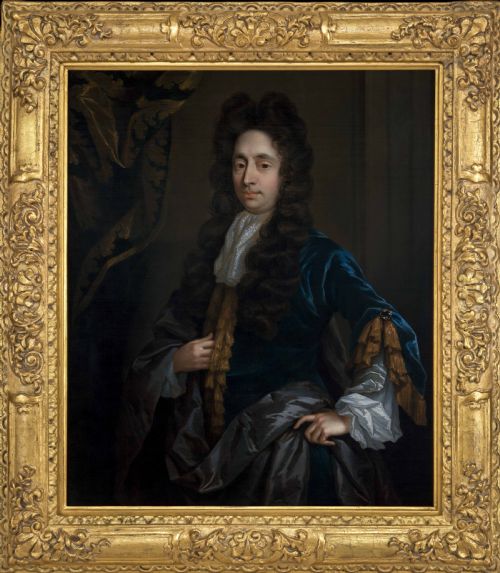
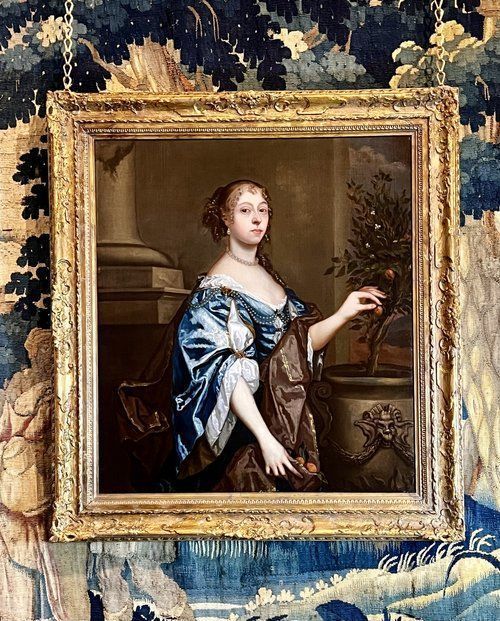
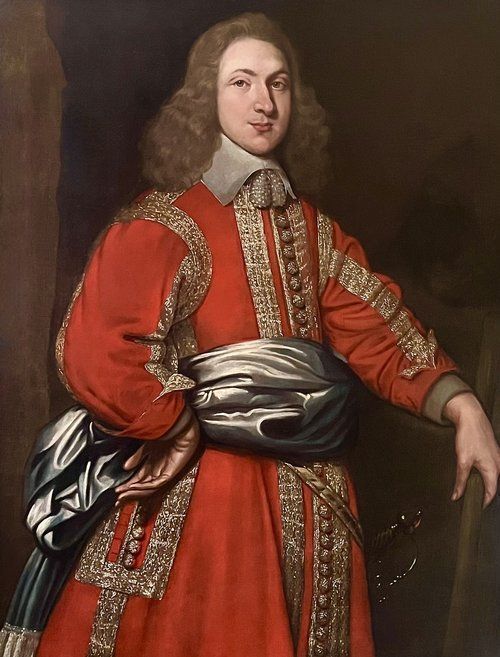
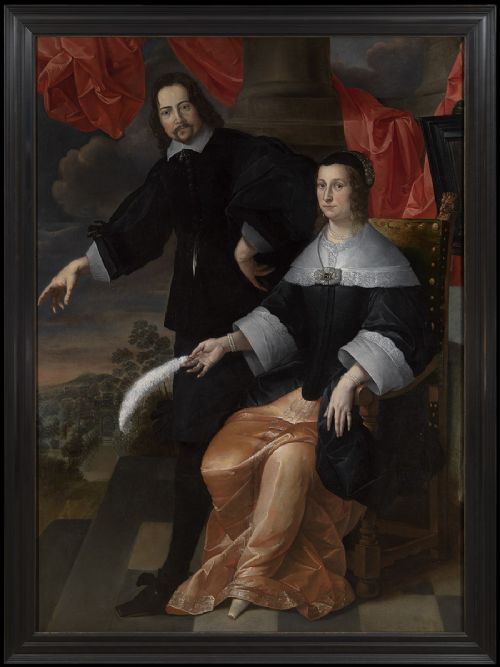
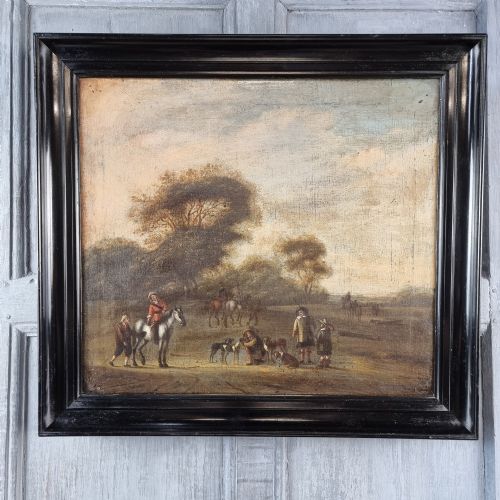
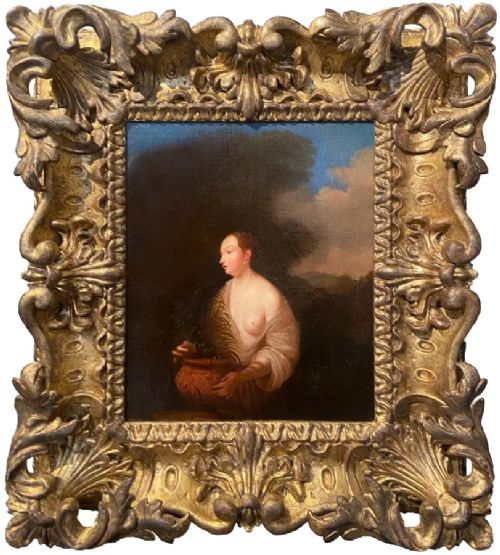
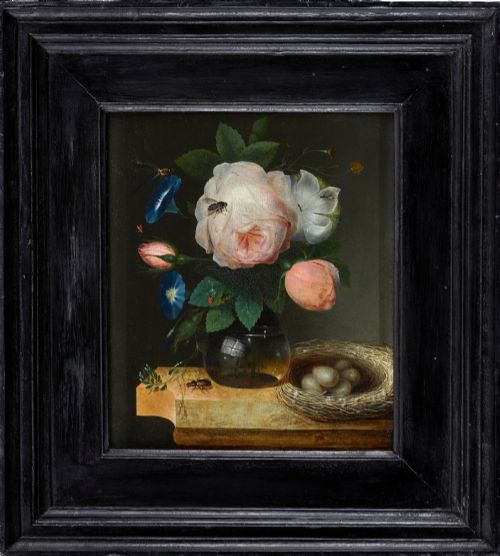
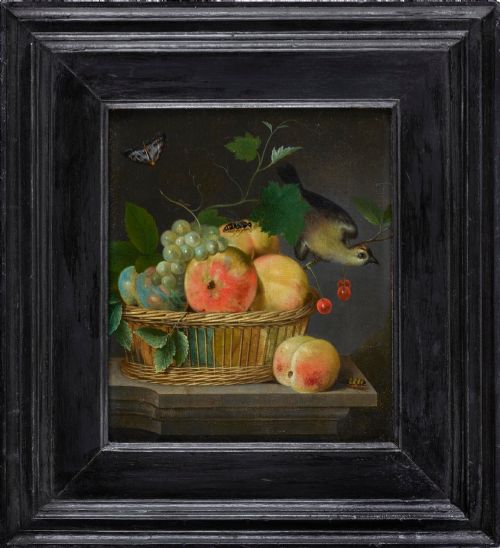
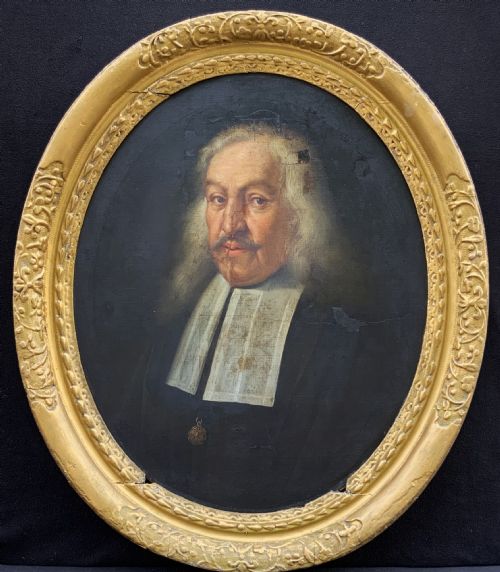
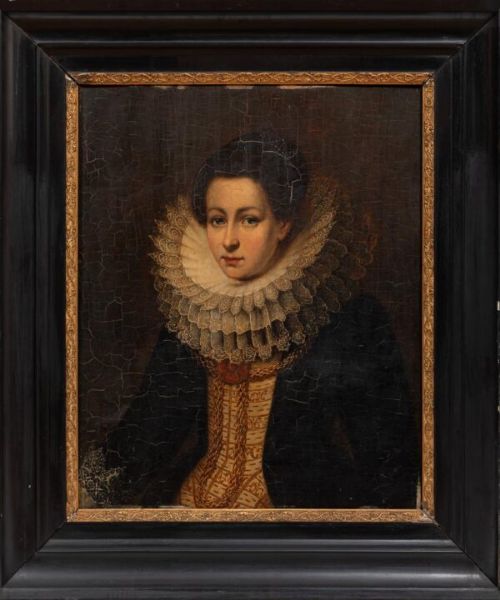
A framed dutch baroque painting captures the dramatic lighting, psychological depth, and rich subject matter of the seventeenth century and its subsequent revivals. You will encounter solemn portraits of nobility, detailed still lifes of flowers and fruit, and pastoral landscapes set within substantial frames.
While many examples originate from the seventeenth century, the selection also includes later nineteenth-century interpretations and revivals adopting the same dark palette and painterly technique. These works range from intimate panels to large oil paintings on canvas.
The most common subjects on this page are historical portraits of gentlemen, ladies in ruffs, and symbolic still lifes featuring baskets of fruit or glass vases. Each piece reflects the structured interiors and mercantile wealth of the period.
Materials and construction methods
These works rely on oil paint applied to prepared canvas or wood panels, utilising layered glazes to achieve deep shadows and luminous highlights. Artisans built up the oil pigment to create texture in fabrics, foliage, and flesh tones.
The accompanying frames are constructed from wood and finished with gesso, gold leaf, or giltwood, providing a heavy architectural boundary for the canvas. These surrounds often feature moulded ornamentation that complements the grand scale of the painting.
Several canvases feature unexpected companions, from dogs stealing food out of baskets to ducks, frogs, and toads sharing the frame.
Distinctions in quality and execution
The calibre of a canvas depends on the fidelity of the brushwork, the subtlety of the chiaroscuro lighting, and the preservation of the original paint layers. Superior works display confident handling of hands, textiles, and reflective surfaces.
Frame construction also dictates the overall standard, where hand-carved giltwood and period mouldings elevate the complete object far above later, mass-produced replacements.
Constantyn Netscher·Pieter Borsseler·Bartholomeus van der Helst·Toussaint Gelton·Gaspar Peeter Verbruggen·Rembrandt van Rijn·Jan van Staveren·Sir Anthony Van Dyck·Frans Hals·Godfried Schalcken·Frans Snyders·Nicolaes Maes·David Teniers·Simon Pietersz Verelst·Cornelis Van Poelenburgh·Philipp Ferdinand de Hamilton·Marmaduke Cradock·Jacob Bogdani·Jan Cossiers·Pieter Nason·Cornelis Van Der Voort·Pieter Claesz
The Framed Dutch Baroque Painting Glossary
- Chiaroscuro
- The strong contrast between light and dark utilised to give three-dimensional volume to figures and objects. This technique defines the moody atmosphere of many northern European works.
- Giltwood
- Wood carved and subsequently covered with a thin layer of gold leaf or gold paint. It provides the ornate, reflective border typical of period framing.
- Oil on Canvas
- Pigment mixed with drying oil applied to a stretched woven fabric support. This combination allowed artists to blend tones smoothly across large compositions.
- Panel Painting
- An artwork executed on a flat piece of wood rather than stretched fabric. Oak was frequently utilised for these sturdy northern supports.
- Old Master
- A term for a European artist of high skill working before about eighteen hundred. These painters established the traditions followed by later copyists and regional schools.
Framed Dutch Baroque Painting: Frequently Asked Questions
What subjects appear in these paintings?
The works primarily depict solemn human portraits, domestic still lifes with flowers or fruit, and quiet landscapes. Subjects range from military officers and nobility to wildlife and everyday scenes.
These compositions reflect the cultural and domestic interests of northern European households during the seventeenth century and later revival periods.
How do I identify the age of a frame?
Period frames are typically constructed from heavy timber with hand-applied gesso and gold leaf or giltwood finishes. Closer inspection reveals the hand-carved details and joins characteristic of older carpentry.
Later copies often utilise machine-moulded composition ornament rather than carved wood.
Are these works original seventeenth-century pieces?
The selection includes authentic seventeenth-century works alongside later nineteenth-century interpretations and studio pieces. Each listing attributes the work to a specific period or school based on stylistic evidence.
Signatures, framing, and panel construction help differentiate original period pieces from subsequent artistic revivals.
How should I care for an oil painting on wood?
Wood panels require stable indoor humidity and temperature to prevent the timber from warping or splitting over time. Keep the artwork away from direct sunlight and sudden environmental changes.
Dust the giltwood frame gently with a soft, dry brush without touching the painted surface of the canvas.