





Framed Copper Wall Art
Framed copper wall art encompasses mirrors, reliefs, enamel plaques, and hand-coloured engravings which bring tactile metallic warmth to interior spaces.
Framed Copper Wall Art
When you search for framed copper wall art, you encounter diverse forms ranging from Georgian oil paintings on copper panels to Arts and Crafts repoussé mirrors and Limoges enamel plaques.
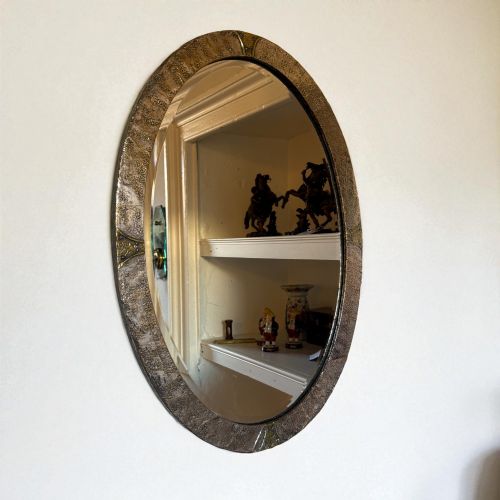
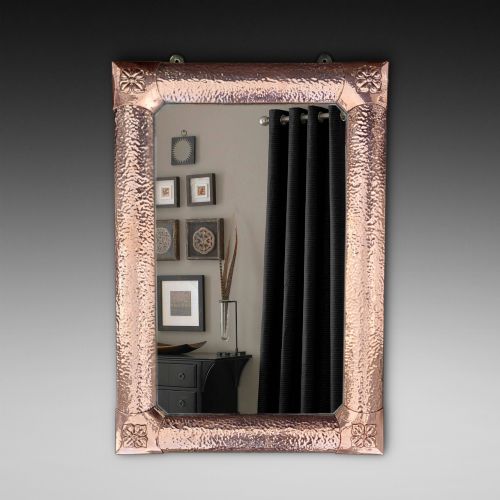
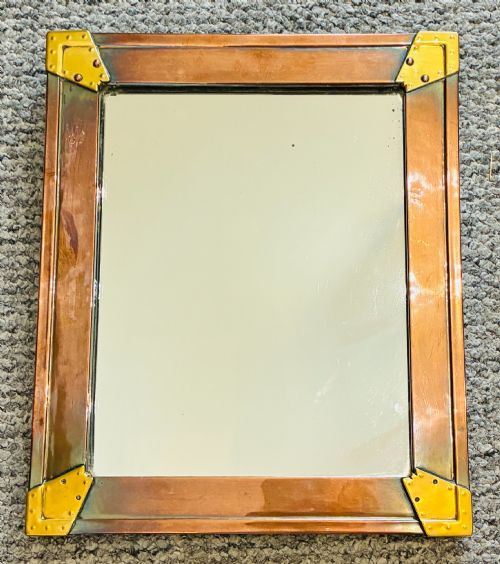
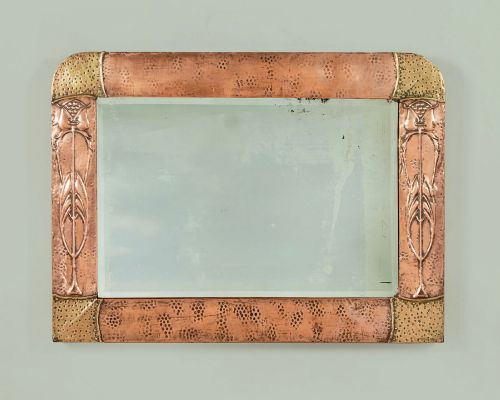
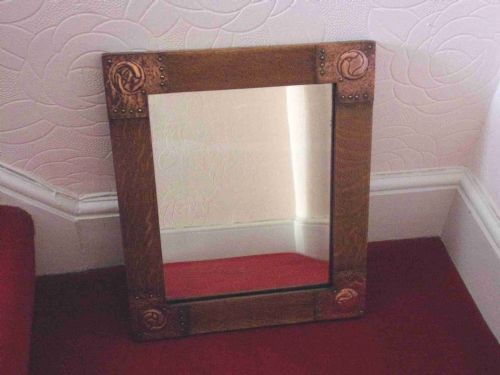
The most prevalent style on this page is the Arts and Crafts copper framed mirror, often featuring beaten metalwork, stylised tree motifs, or riveted frames.
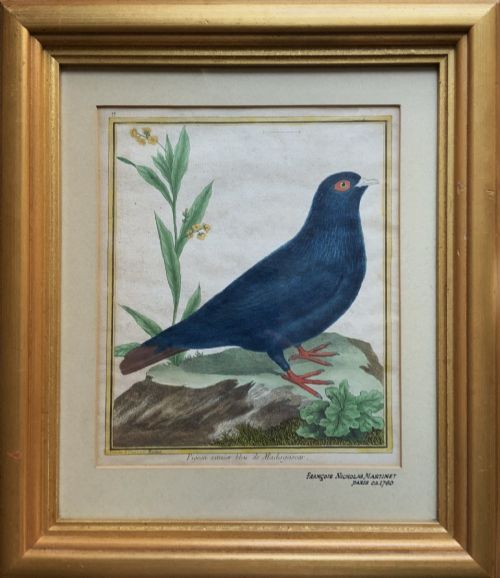
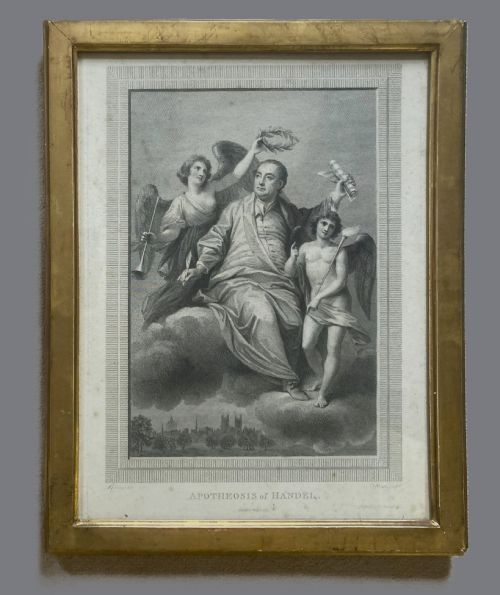
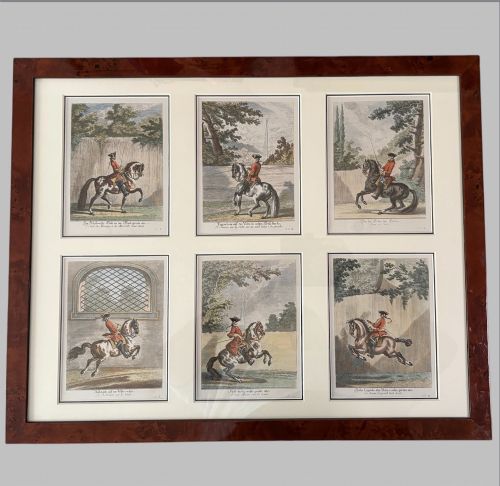
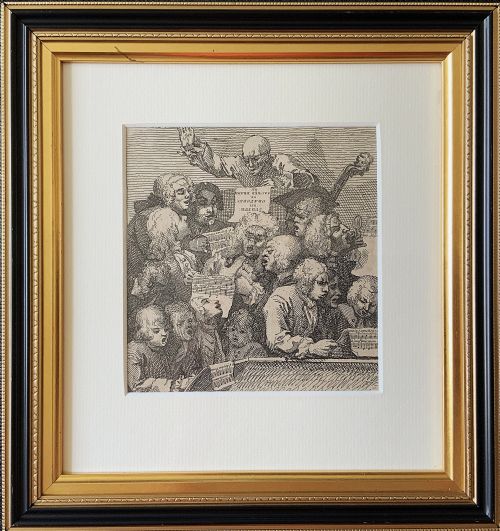
Earlier Georgian and eighteenth-century examples lean towards copperplate engravings, etchings, and delicate enamel work, capturing historical portraiture and botanical studies.
How they were made
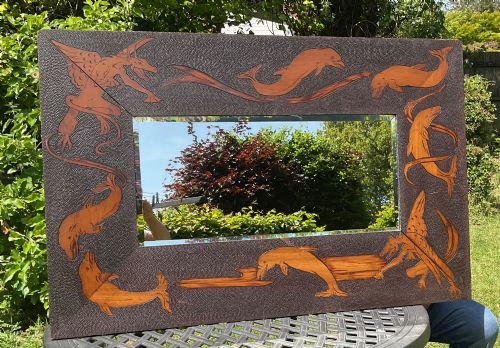
Makers utilised repoussé and embossing techniques to hammer metal sheets from the reverse, creating raised relief patterns of dragons, dolphins, and Celtic knots.
Copper frames and panels frequently house bevelled glass mirrors, hand-coloured engravings on paper, or vitreous enamel fused to the metal surface under high heat.
Materials combine copper with brass, oak, glass, paper, and vibrant vitreous enamels.
What varies in quality
The depth and crispness of the hand-beaten relief work dictate the visual impact, separating flat stamped panels from expressive, skilfully worked repoussé surfaces.
Maker attribution and material integration, such as the inclusion of Ruskin cabochons or oak surrounds, elevate specific pieces above standard domestic production.
Liberty and Company·François-Nicolas Martinet·James Heath·William Hogarth·James Basire·Herbert Dicksee
The Framed Copper Wall Art Glossary
- Repoussé
- A metalworking technique where the artisan hammers metal from the reverse side to form a raised design on the front. This method gives Arts and Crafts frames their characteristic tactile depth.
- Enamel
- Powdered glass fused to a copper base through kiln firing. Limoges and South Staffordshire workshops excelled in producing richly coloured pictorial plaques using this medium.
- Engraving
- A printmaking process where an artist cuts lines directly into a copper plate with a sharp tool. The resulting inked lines are transferred under pressure onto paper.
- Cabochon
- A polished, convex gem or ceramic stone without facets. These are occasionally set into copper mirror frames to add contrasting colour and texture.
Framed Copper Wall Art: Frequently Asked Questions
How do I clean a copper frame?
Dust the metal gently with a dry microfibre cloth to preserve the natural patina. Avoid harsh chemical polishes that strip away historical character.
For stubborn grime, a light wipe with a damp cloth suffices, followed immediately by thorough drying to prevent oxidation.
Were these mirrors made for bathrooms?
Most Arts and Crafts copper mirrors were designed for principal reception rooms, hallways, or libraries rather than damp environments.
Exposing antique wood backboards and older mirror glass to bathroom moisture risks causing permanent silvering deterioration and frame warping.
How do I date an Arts and Crafts mirror?
Examine the construction fasteners, such as hand-cut screws, early brass hanging loops, and the composition of the timber backing board. Stylistic motifs like dragon panels and riveted corners typically point towards the nineteen-hundreds.
Maker signatures or retailer stamps from firms like Liberty and Company provide more definitive chronological markers.
What is an oil on copper painting?
Artists painted directly onto prepared sheet copper rather than canvas or wood panel, utilising the smooth metallic substrate to achieve luminous detail.
This technique was favoured in earlier centuries for miniature portraits and devotional plaques because it prevented warping and cracking.