

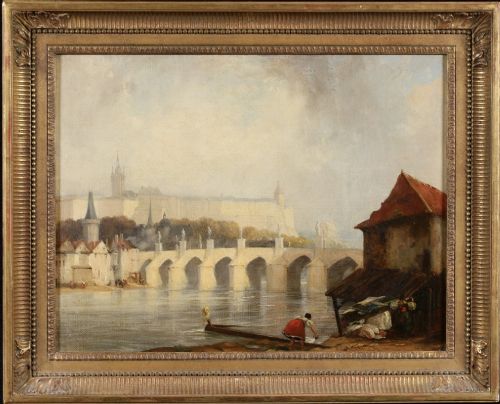


Framed City Artwork
Framed city artwork captures urban life, river views, and architectural landmarks across centuries of painting and drawing.
Framed City Artwork
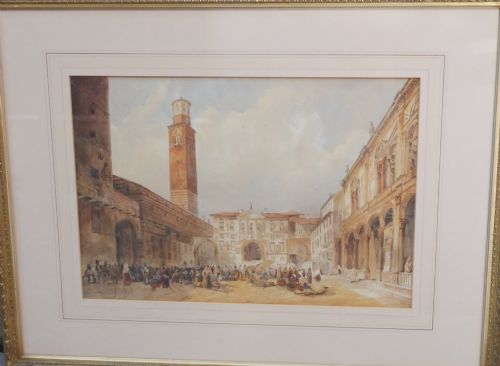
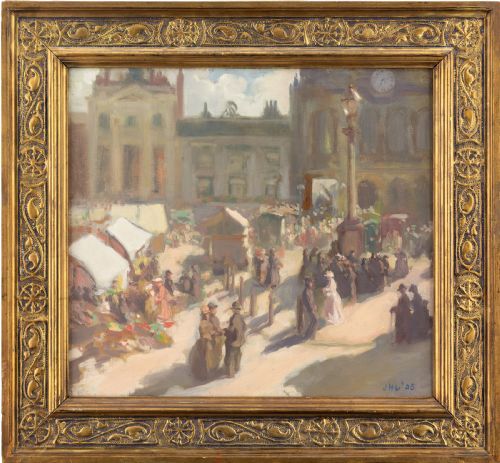
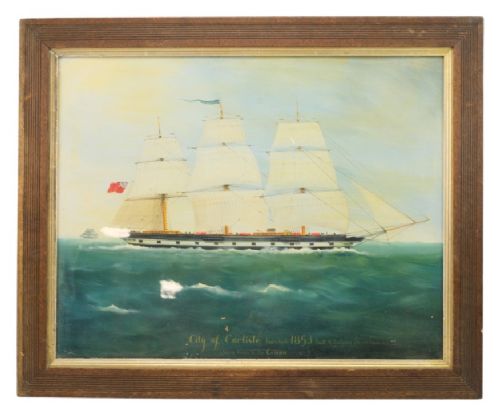
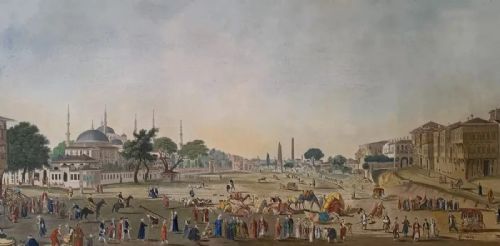
When you search for framed city artwork, you encounter urban landscapes, bustling streets, and architectural scenes spanning from the nineteenth century through the mid-twentieth century.
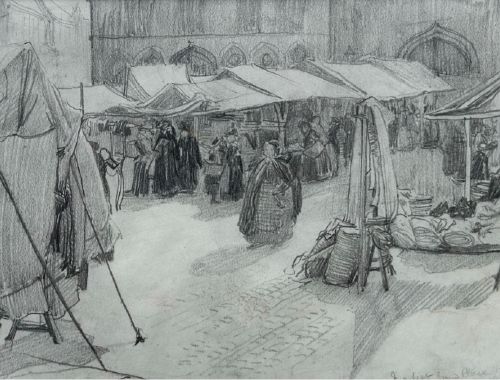
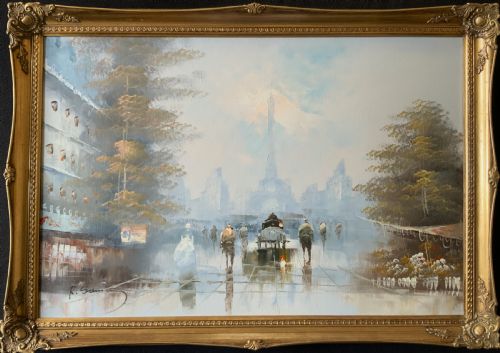
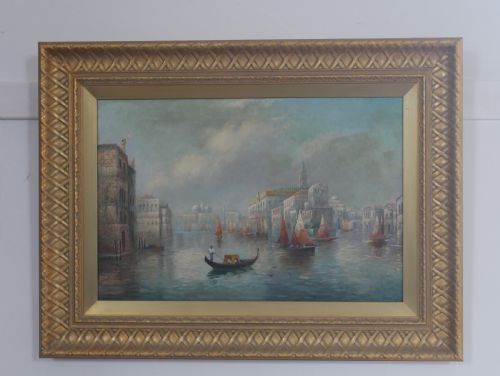
The selections range from early watercolours and pencil drawings to mid-century oil paintings and impressionist street scenes of Paris, Venice, London, and Prague.
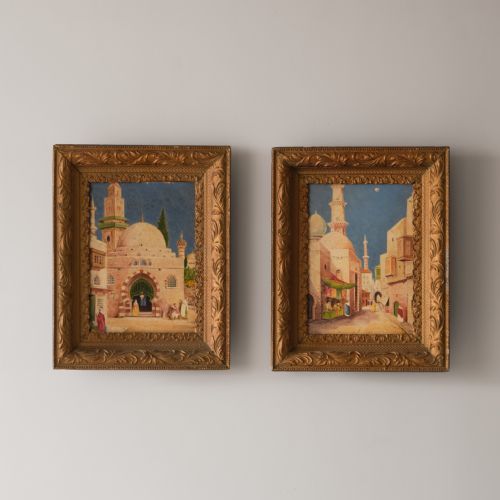
You are most likely to meet twentieth-century oil paintings on canvas and nineteenth-century watercolours housed in traditional wood and gilt frames.
Pigments, paper and wooden frames
Artists painted and drew these urban views using oil paint, watercolour, pastel, and pencil upon paper, canvas, and board.
Many works incorporate textured impasto techniques to build surface depth on canvas, particularly in mid-century impressions of city streets.
Surviving pieces are typically presented within wooden frames, frequently finished with gilt moulding to complement the artwork.
Framed City Artwork Retail Price Guide 2026
Typical asking prices for framed city artwork among the pieces listed under this phrase on Sellingantiques today, from the lower quarter to the upper quarter. They describe what is for sale here now, not the wider market.
Depicted locations include continental bridges, river scenes, and bustling metropolitan markets.
Composition and period character
Quality rests in the strength of the draughtsmanship, the handling of light and atmosphere, and the distinct execution of architectural detail.
Stronger examples capture the specific mood of a location, whether a foggy London street or a sunlit Venetian canal, with confident brushwork or precise pencil lines.
Henry Percy Huggill·Anton Ignaz Melling·John Hodgson Lobley·Caroline Burnett·Victor Gabriel Gilbert·Ron Folland·Merio Ameglio·Eduard Leon Cortes·Alfred Pollentine·Noel Harry Leaver·Francis Dodd·Edgar J Maybery
The Framed City Artwork Glossary
- Impressionism
- A style of painting that focuses on light and its changing qualities rather than precise detail. Artists often used rapid, visible brushstrokes to capture urban atmospheres.
- Impasto
- Paint applied thickly to a canvas or board so that it stands out from the surface. This technique adds tactile dimension to architectural elements and street lighting.
- Watercolour
- A paint consisting of pigment suspended in a water-based solution, typically applied to paper. It creates transparent washes that suit bright architectural studies.
- Drypoint
- A printmaking technique where an image is scratched directly onto a metal plate with a sharp needle. The process raises a burr of metal that holds ink and gives the printed line a soft quality.
Framed City Artwork: Frequently Asked Questions
What periods do these city artworks cover?
The works span the nineteenth century, the Edwardian era, and mid-century modern decades.
They reflect shifting artistic approaches to urban environments over time.
Are these works original or prints?
The selection primarily consists of original oil paintings, watercolours, and pencil drawings.
Some listings also feature period drypoint etchings on paper.
Which cities are commonly depicted?
European capitals and trading ports feature prominently, including Paris, London, Venice, Prague, and Bruges.
Views range from famous monuments to quiet market squares.
How should I hang a framed artwork?
Ensure the piece hangs away from direct sunlight to protect watercolours and oil pigments from fading.
Use wall fixings appropriate for the weight of the wooden and gilt frames.