




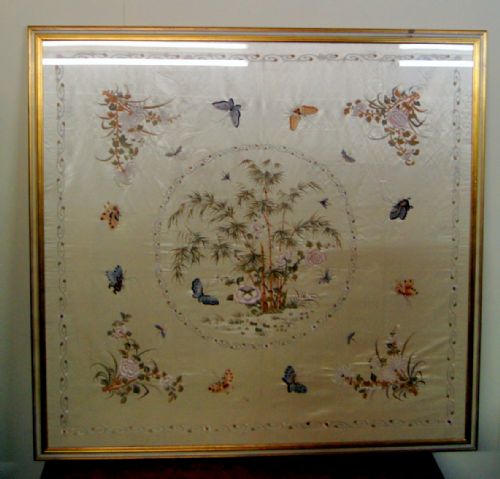


Framed Chinese Silk Art
Framed chinese silk art brings needlework and brushwork together behind glass, offering a glimpse into centuries of intricate textile and painting traditions.
Framed Chinese Silk Art
Framed chinese silk art covers a diverse array of textile works, watercolours, and embroideries preserved under glass. Buyers searching this phrase encounter wall hangings, ancestor portraits, rank badges, and hand-sewn panels.
The objects span from the nineteenth century through the mid twentieth century, encompassing Qing dynasty pieces alongside export items and later traditional works. Surviving examples often retain their original wooden frames or carved hardwood surrounds.
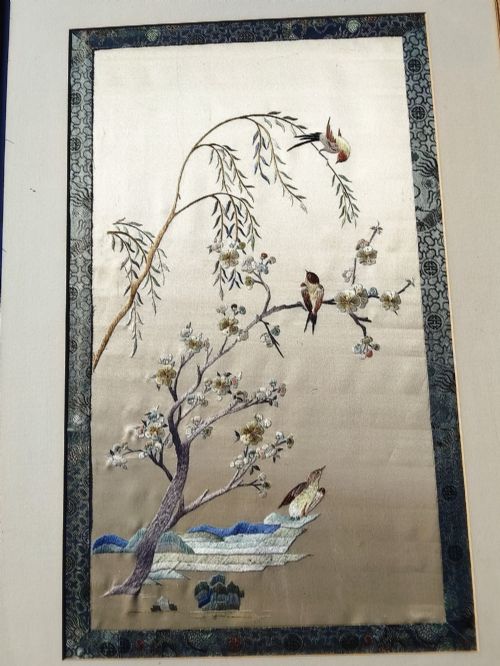
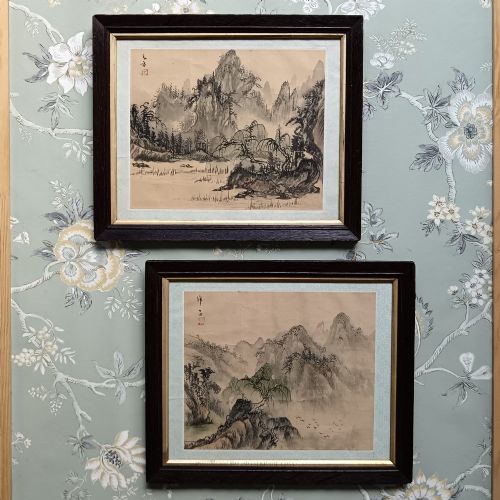
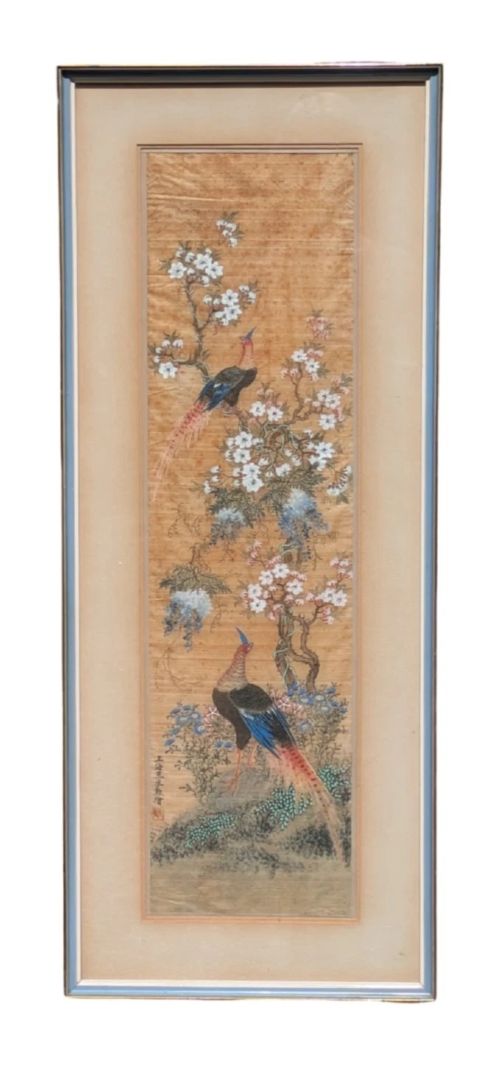
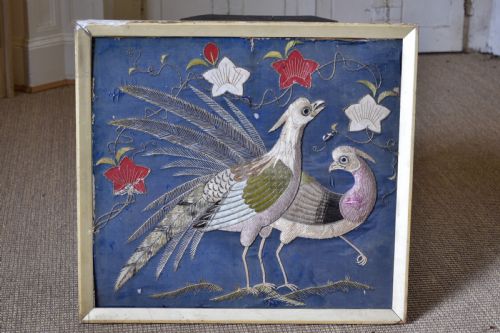
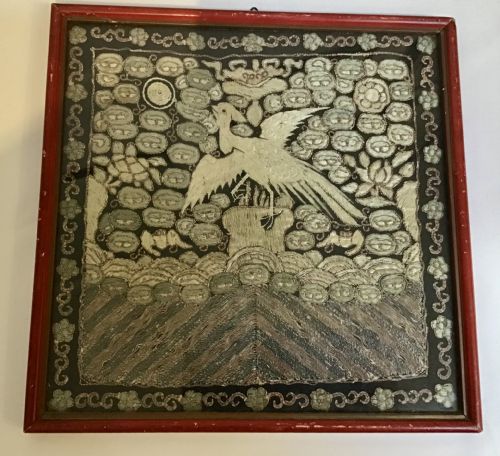
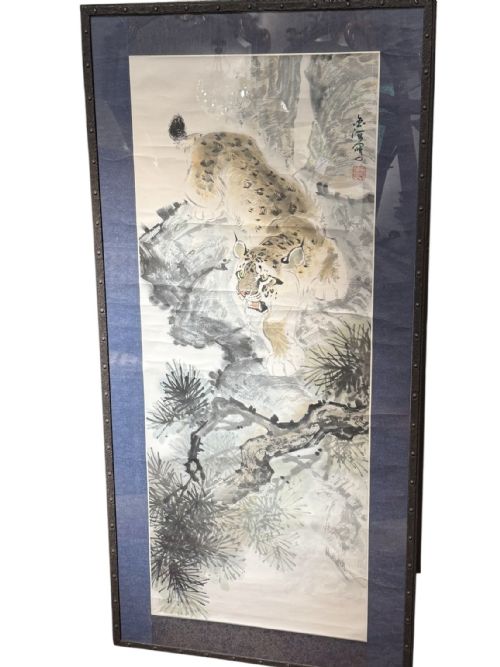
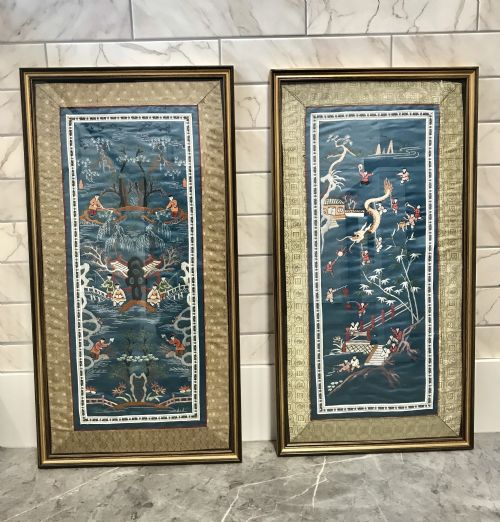
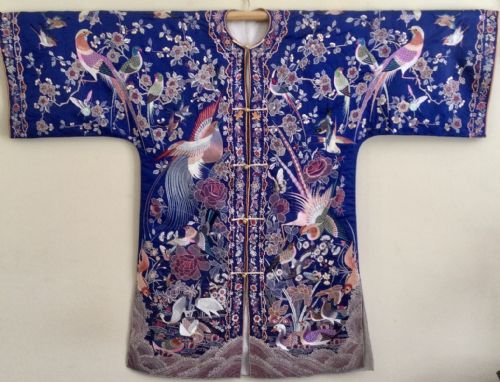
Many items display detailed needlework depicting figures, dragons, trees, flowers, birds, and landscapes. Others feature pigment and ink applied directly to silk grounds, creating vivid scenes of wildlife and human subjects.
How they were made
Makers utilised fine silk fabrics as the foundational canvas for both delicate brush painting and dense hand sewing. Metallic threads frequently appear alongside coloured pigments and inks to add depth and lustre to the imagery.
Wooden elements, including carved hardwood trays and original frames, provide structural support and housing for the delicate textiles. Glass protects the vulnerable silk surfaces from dust and handling over long periods of time.
Framed Chinese Silk Art Retail Price Guide 2026
Typical asking prices for framed chinese silk art among the pieces listed under this phrase on Sellingantiques today, from the lower quarter to the upper quarter. They describe what is for sale here now, not the wider market.
Mandarin ducks and snow leopards share the same framed silk habitat alongside dragons and plum blossoms.
What varies in quality
The precision of the hand sewing and the subtlety of the brushwork set the finer pieces apart from standard examples. Complex imagery involving multiple figures or detailed fauna demands a higher level of artisan skill.
The condition of the silk and the integrity of the original wooden frame influence the overall appeal of a piece. Intricately carved stands and well-preserved pigments contribute significantly to the visual strength of the work.
The Framed Chinese Silk Art Glossary
- Rank badge
- A square embroidered patch indicating the status of an official in imperial China. These textiles were often later framed for display.
- Gouache
- An opaque watercolour medium used by artists to build rich, matte surfaces on silk grounds. It provides strong, flat areas of colour.
- Shan shui
- Traditional Chinese landscape painting style featuring mountains and rivers. These scenes evoke natural harmony and philosophical depth.
- Chinoiserie
- European decorative style reflecting Chinese artistic influences. Items of this nature blend traditional motifs with Western framing conventions.
Framed Chinese Silk Art: Frequently Asked Questions
How do I care for framed silk art?
Keep the piece away from direct sunlight to prevent the pigments and dyed threads from fading. The glass protects the textile, so cleaning should be limited to dusting the exterior frame gently.
Maintain a stable room humidity to avoid stressing the organic silk fibres and the wooden backing over the years.
Are these pieces from the Qing dynasty?
Many examples date from the nineteenth century and the period of the Qing dynasty. Listings also include early twentieth century works and mid century traditional pieces.
Examining the style of the mounting, the pigments, and the subject matter helps determine the likely era of creation.
What is a silk rank badge?
A rank badge is a square embroidered textile worn on court robes to denote the wearer's civil or military grade. Collectors frequently find these intricate pieces preserved in frames.
They display specific birds and animals that correspond strictly to the official hierarchy of the imperial court.
How are ancestor portraits different from other art?
Ancestor portraits serve a commemorative and ritual function, depicting specific family members in rigid frontal poses. They prioritise likeness and formal attire over expressive landscape elements.
These works were traditionally hung during ancestral rites and hold strong historical context.