



Framed Chalk Pastel
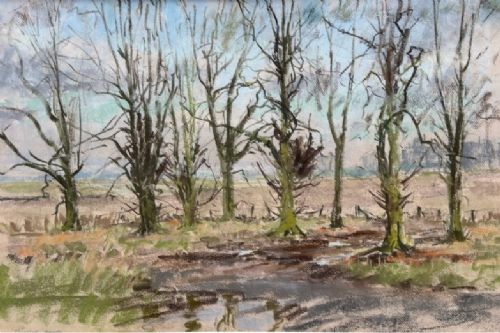
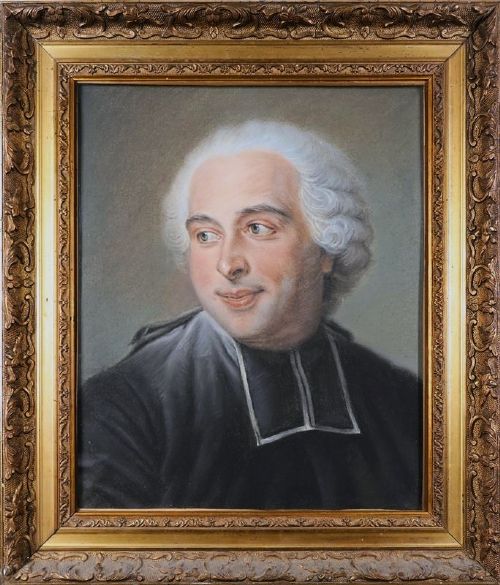
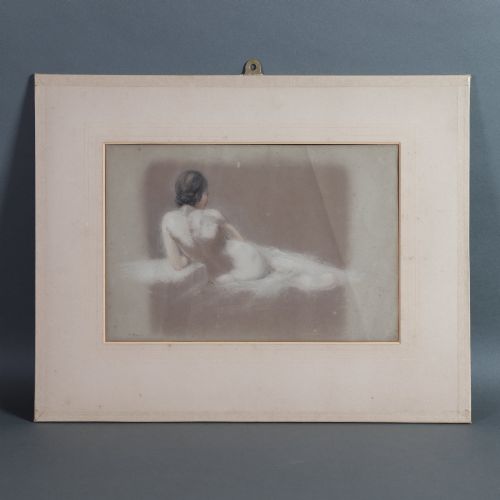
Framed chalk pastel works are delicate original portraits and figure studies preserved under glass in period wood and giltwood surrounds.
Framed Chalk Pastel
A framed chalk pastel brings together fragile pigment works on paper or canvas and the protective wooden or gilded frames that keep them intact. When you search for framed chalk pastel, you encounter portraiture and figure studies spanning the eighteenth, nineteenth, and early twentieth centuries.
The selections range from Italian Baroque compositions to Victorian academic studies and modern British works. Most examples on this page present intimate portraits or figural drawings created using pastel, chalk, and charcoal.
How they were made
These works rely on dry mediums including pastel, chalk, and charcoal applied directly to paper or canvas supports. Artists built up colour and tone through layered strokes, capturing texture and light without liquid binders.
Finished drawings were mounted behind glass and housed in wooden frames, frequently enhanced with gold leaf and giltwood moulding. This traditional housing protected the soft, unvarnished pigment from surface disruption and environmental wear.
Framed Chalk Pastel Retail Price Guide 2026
Typical asking prices for framed chalk pastel among the pieces listed under this phrase on Sellingantiques today, from the lower quarter to the upper quarter. They describe what is for sale here now, not the wider market.
The listings on this page span the eighteenth, nineteenth, and twentieth centuries, incorporating materials such as giltwood, charcoal, and paper.
What varies in quality
Quality rests in the sureness of the draughtsmanship and the preservation of the delicate pigment layers beneath the glass. Stronger pieces display confident handling of anatomy and expression, whereas lesser examples show hesitation or heavier reliance on secondary media.
The integrity of the original frame also shapes the piece, with period giltwood and gold leaf surrounds providing a more harmonious match than later replacements. The stability of the underlying paper or canvas and the clarity of the glass further distinguish finer examples.
Maurice Quentin de la Tour·Benedetto Luti·William Etty·Cecil Charles Windsor Aldin·Arthur Todd·Robert Faulkner·Robin Watt·John Macallan Swan·Frank Dobson
The Framed Chalk Pastel Glossary
- Pastel
- A dry painting medium consisting of powdered pigment and a binder rolled into sticks. It allows for immediate colour application and subtle blending.
- Giltwood
- Wood carved and prepared with gold leaf or gold paint to create a decorative metallic finish. This material is common on frames from the eighteenth and nineteenth centuries.
- Charcoal
- A form of dry carbonized wood used for sketching and outlining compositions. It provides deep blacks and varied line weights.
- Support
- The physical base upon which the artwork is created, such as paper or canvas. The choice of support influences the texture and longevity of the pastel layers.
- Academic
- Art produced under the influence of traditional European academies, emphasising rigorous draughtsmanship and classical training.
Framed Chalk Pastel: Frequently Asked Questions
Where should I hang these artworks?
Pastels are exceptionally sensitive to light and moisture, making proper placement essential for their long-term preservation.
Choose an interior wall that receives indirect lighting, avoiding direct sunlight and humid spaces such as kitchens or bathrooms.
Can I replace the original glass?
Original historic glass often exhibits charming imperfections and slight waviness that contribute to the authentic character of an antique frame.
Only replace the glazing if it is broken or poses an immediate physical danger to the fragile pastel drawing held within.
How do I identify a chalk drawing?
Chalk drawings feature fine, linear marks and textured strokes that sit entirely on the surface of the paper without the glossy finish typical of oil paint.
Examining the piece closely under magnification reveals the individual powdery particles caught in the fibres of the paper or canvas support.