


Framed Caricature Art
Framed caricature art brings together biting political satire and wry social observation from the eighteenth century to the mid-twentieth century.
Framed Caricature Art
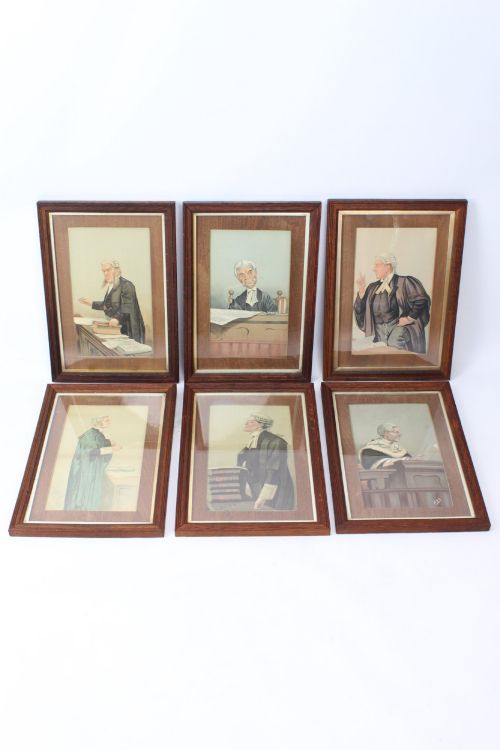
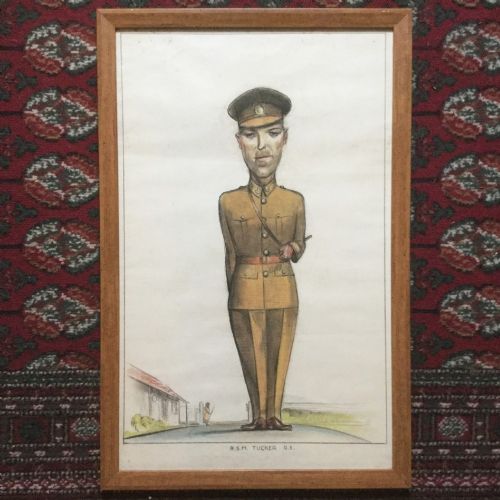
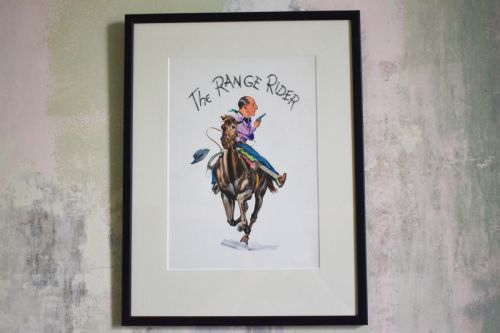
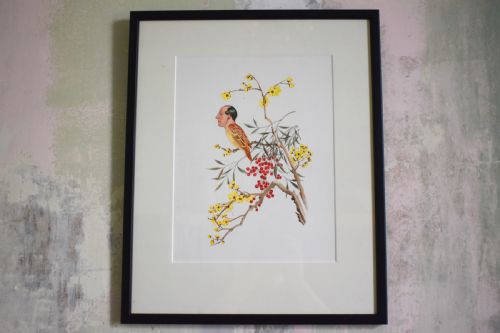
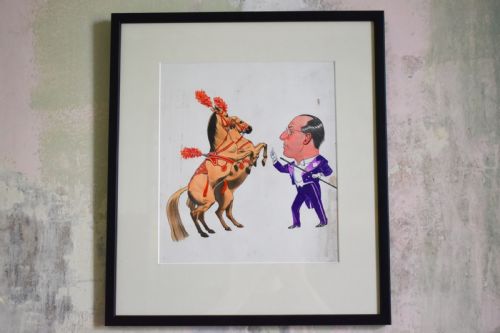
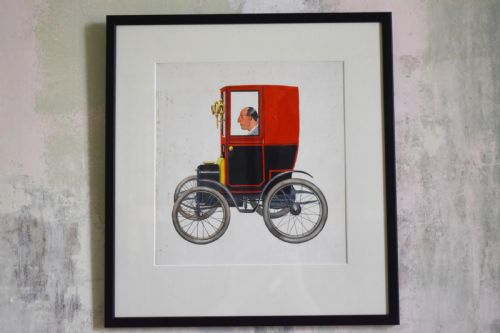
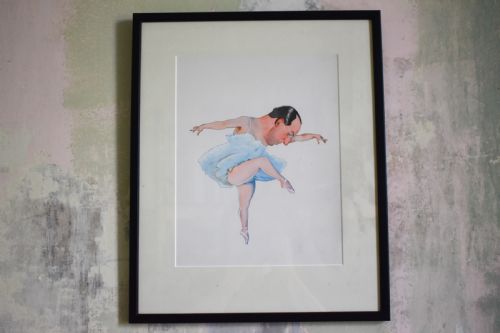
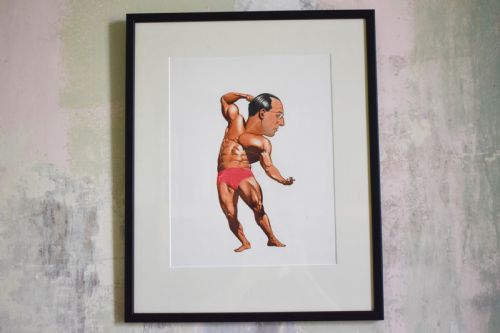
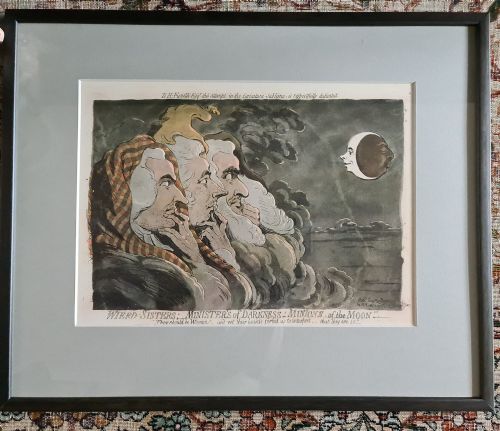
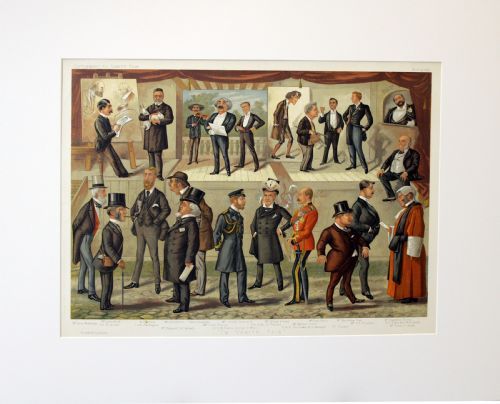
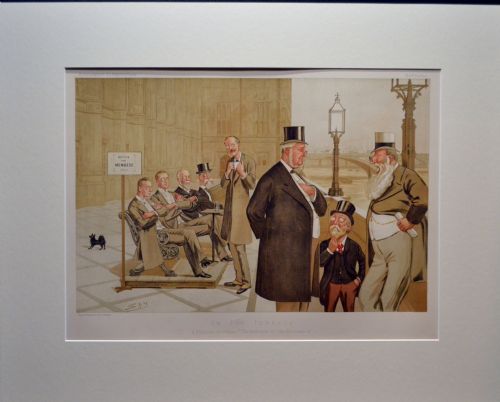
When you search for framed caricature art, you encounter witty graphical works that mock the manners, politics and prominent figures of past eras. The selection spans hand-coloured stipple engravings from the Georgian period alongside chromolithographs and original watercolours from Victorian and Edwardian times.
How they were made
The works rely primarily on paper supports marked with ink, watercolour pigment, gouache or pastel. Early examples use copperplate engraving with hand-colouring, whilst later Victorian and Edwardian pieces frequently employ chromolithography for rich multi-coloured results.
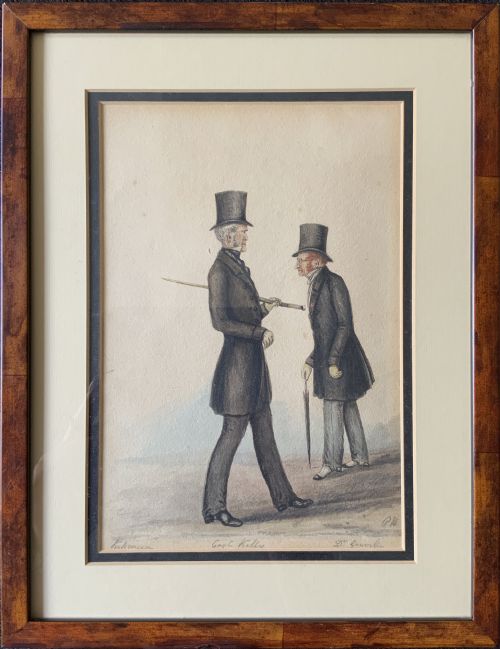
Framing materials consist chiefly of timber mouldings enclosing glass to protect the delicate works on paper from atmospheric damage and handling. Many pieces retain their period mounts and wooden frames which complement the graphic nature of the illustrations.
A soldier and a sailor with wooden legs take a leisurely stroll together across early nineteenth-century watercolour paper.
What varies in quality
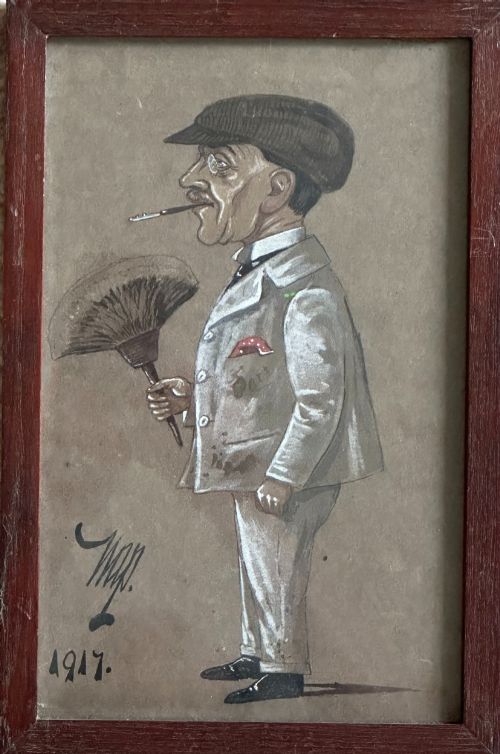
The distinction between tiers rests upon whether a piece is an original hand-drawn work or a mass-produced printed edition. Original watercolours and pastel sketches command greater attention for their direct artistic execution compared to published journal prints.
Print quality depends upon the sharpness of the original impression and the vibrancy of any applied hand-colouring. Strong paper preservation without heavy foxing or fading elevates a piece within its category.
Gilray·Thomas Worth·Albert Guillaume·Snaffles·William Bunbury·Henry William Bunbury
The Framed Caricature Art Glossary
- Chromolithography
- A method for making multi-colour prints through the use of multiple lithographic stones, each applying a different hue. This technique produced the vibrant plates seen in late nineteenth-century satirical periodicals.
- Stipple engraving
- An intaglio printing technique where images are created using a dense pattern of small dots rather than continuous lines. Artists often applied watercolour by hand to these prints for added effect.
- Caricature
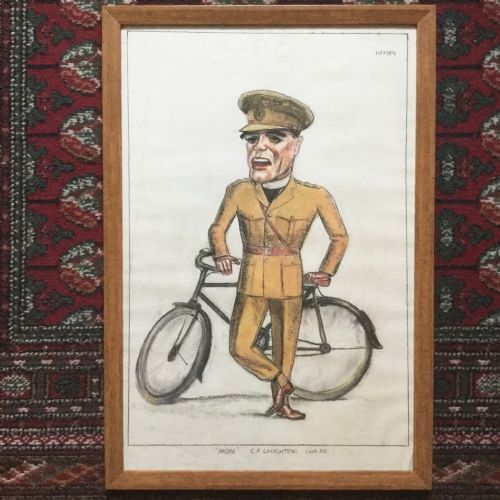
- A portrait or representation that distorts or exaggerates the essence of a person or type for comic or satirical effect. These works target political figures, social climbers and military personnel.
- Gouache
- An opaque water-medium consisting of pigment combined with a binding agent and white filler. It provides solid, flat areas of colour in wartime illustrations and portrait sketches.
- Double-page print
- A large periodical illustration printed across two facing pages with a centre fold. These sheets often survey broader gatherings of notable people.
Framed Caricature Art: Frequently Asked Questions
What periods do these pieces date from?
The items range from the eighteenth century through the Georgian and Victorian eras into the early twentieth century and wartime years of nineteen-forty.
Most printed examples stem from the later nineteenth and early twentieth centuries, whilst unique watercolours and engravings occasionally reach back to the Georgian period.
How were these satirical prints originally published?
Many printed items appeared as standalone plates or double-page inserts within illustrated journals and satirical magazines of the Victorian and Edwardian periods.
Publishers issued these sheets for contemporary subscribers who subsequently framed them for display in clubs, studies and homes.
Are these works hand-painted or printed?
The collection includes both original hand-drawn works in watercolour, pastel and gouache and mass-produced printed graphics.
Many of the printed items feature hand-applied watercolour washes over engraved or lithographic lines to enhance the visual impact of the satire.
How should I hang and protect framed prints?
These works on paper require positioning away from direct sunlight to prevent the fading of inks, watercolours and tinted paper stocks.
Keeping them in stable indoor humidity conditions ensures the paper and wooden frames remain preserved for years to come.