

Framed British Watercolour
These framed british watercolour works capture landscapes, portraits and maritime scenes across Victorian, Edwardian and mid-century periods, offering collectors authentic historic paper art ready for the wall.
Framed British Watercolour
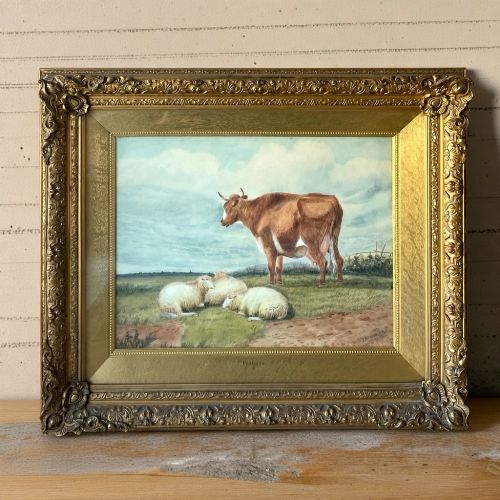
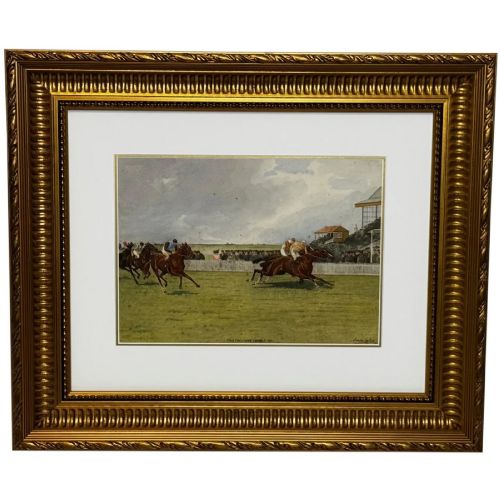
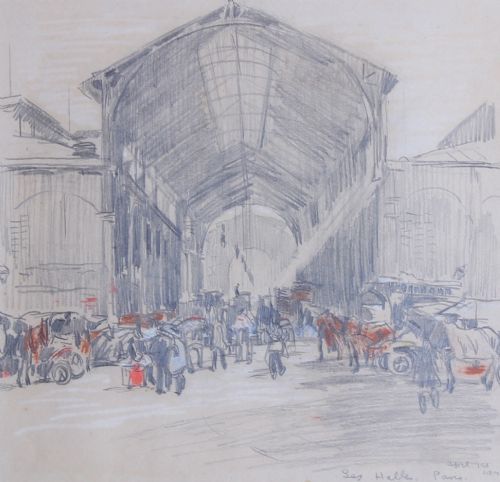
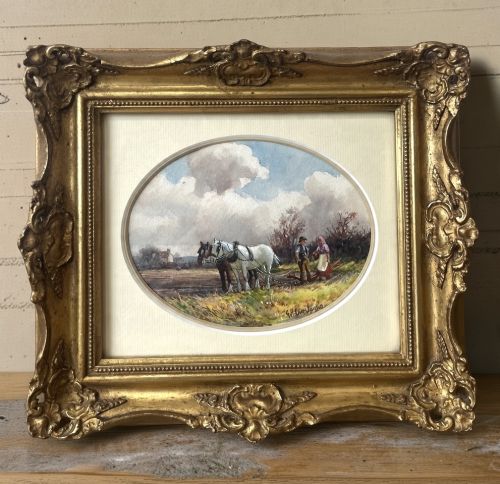
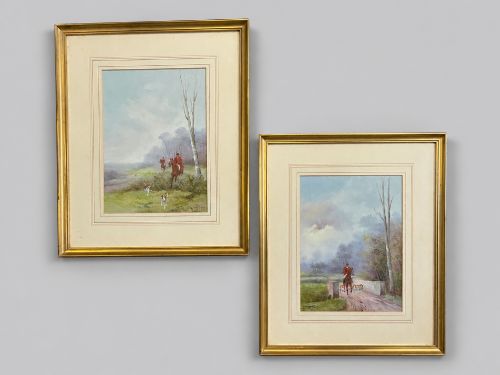
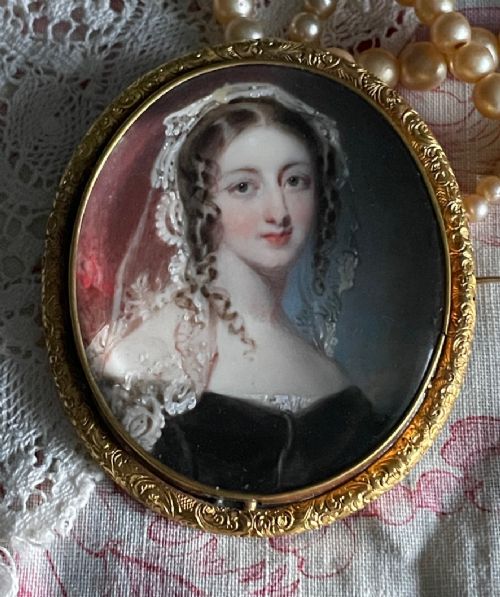
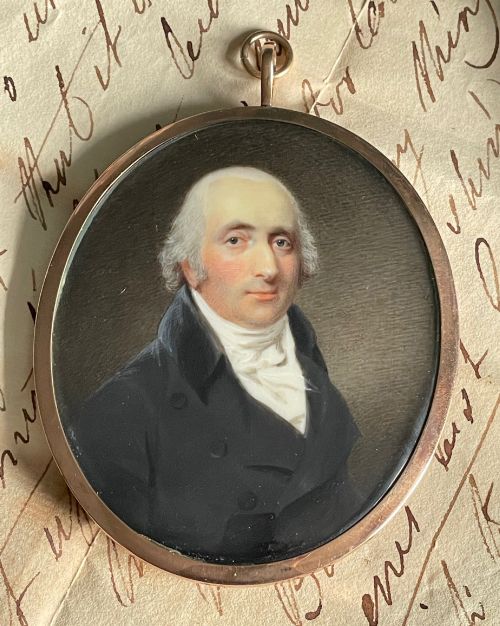
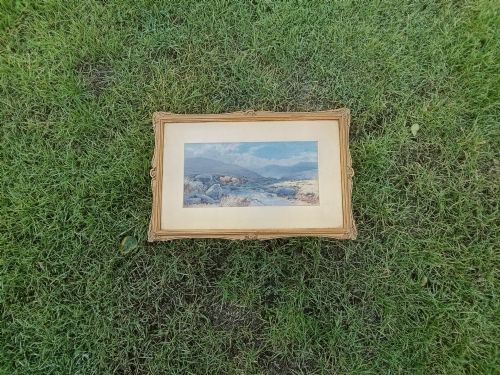
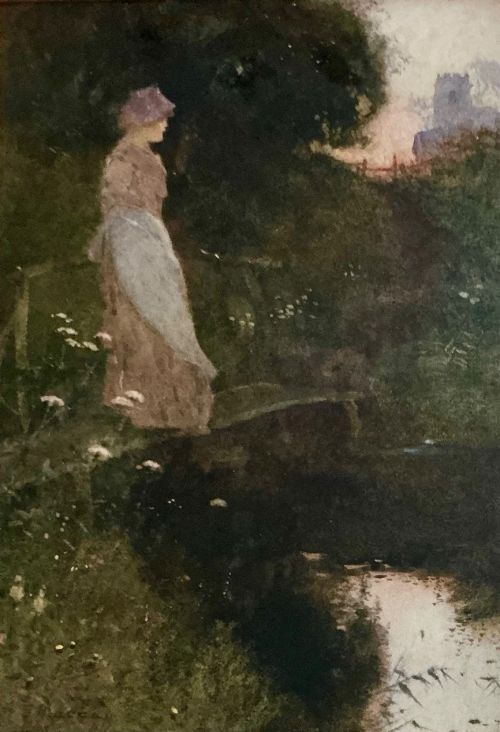
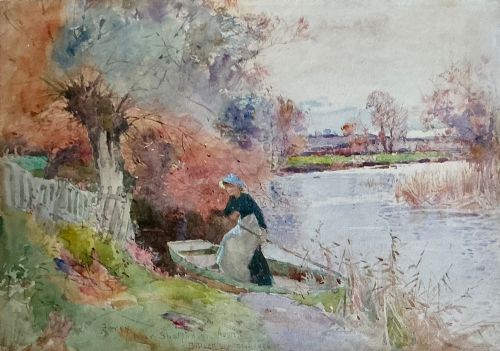
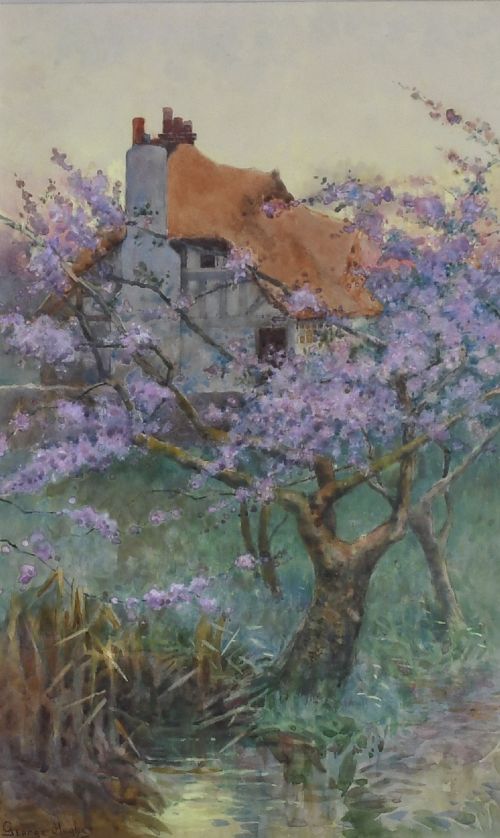
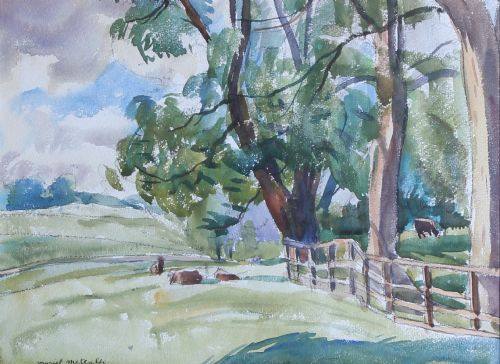
A framed british watercolour brings together works on paper executed in pigment, ink and wash, frequently protected behind glass within wooden or gilt frames. Buyers searching this phrase encounter subjects ranging from pastoral landscapes and livestock scenes to townscapes, coastal views and military portraits.
The selections span the nineteenth century through the Edwardian era and into the mid-twentieth century, including pieces assigned to the British School as well as named artists. Most examples on this page date from the Victorian and Edwardian periods, reflecting traditional British artistic output in watercolour painting.
Works appear in various scales, from intimate portrait miniatures and small drawings to large-scale topographical and maritime compositions. Each piece preserves the hand of the artist through visible brushwork, washes and ink lines on paper.
Materials and Technique
Artists painted primarily with watercolour pigment and ink on paper sheets or card supports, sometimes utilising bodycolour for opacity or gold leaf for accent. Wash techniques allowed transparent layers of colour to build up light and atmosphere, particularly in landscape and marine subjects.
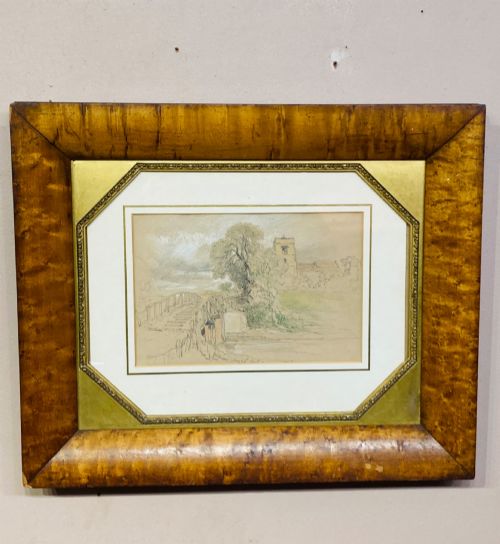
Framing utilised wood mouldings, often finished with gilt or gold leaf, paired with glass to shield the fragile paper surface from dust and moisture. Many works incorporate card mounts or wash-line borders that separate the watercolour painting from the frame itself.
Framed British Watercolour Retail Price Guide 2026
Typical asking prices for framed british watercolour among the pieces listed under this phrase on Sellingantiques today, from the lower quarter to the upper quarter. They describe what is for sale here now, not the wider market.
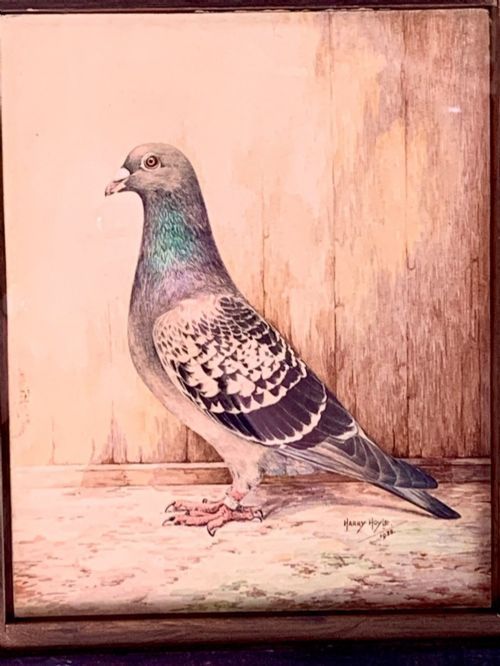
One standout royal messenger pigeon painting once celebrated a King George V Silver Jubilee winner.
Quality Variations
Quality rests in the handling of the medium, where confident brushwork, controlled washes and precise draughtsmanship separate accomplished watercolours from simpler sketches. The dexterity shown in capturing light, atmosphere and architectural or anatomical detail distinguishes professional output from amateur efforts.
The preservation of the paper support and pigment vibrancy heavily influences the standing of a piece, as fading or acid discolouration alters the intended visual balance. Original framing materials and period mounts that complement the artwork without causing damage also contribute to overall desirability.
GM Avondale·Thomas Rowden·Jacob Kramer·Cuthbert Crossley·Stuart Lloyd·Herbert Menzies Marshall·William Taylor Longmire·David Law·Bruce Bairnsfather·George Fotherly Hargitt·James Orrock·Sir James Dromgole Linton·Thomas Ellison·Percy Lancaster·A Mitchell·John McDougal·EJ Letheren·Robert Leslie Howey·John E Aitken·William Banks Fortescue·Henry Silkstone Hopwood·Muriel Metcalfe·Fred Lawson·Frank William Scarbrough·Robert Thorne Waite
The Framed British Watercolour Glossary
- Watercolour
- A painting method where fine pigment is suspended in a water-soluble binder and applied to paper. It relies on the white of the paper showing through transparent washes to create luminosity.
- Wash
- A thin, transparent layer of diluted watercolour pigment spread evenly across paper. Artists use washes to create expansive skies, water and atmospheric depth in landscapes.
- Bodycolour
- Watercolour mixed with a white pigment like chalk to make it opaque. This technique adds solid highlights and dense areas of light to a composition.
- Gilt
- A thin layer of gold leaf or metallic paint applied to wood frame mouldings. It provides a decorative border that enhances the framed artwork.
- British School
- A designation for paintings created by British artists whose specific identities are lost or unrecorded. These works reflect the prevailing styles and academic standards of their period.
Framed British Watercolour: Frequently Asked Questions
How should I hang watercolour paintings?
Hang these works away from direct sunlight to prevent the watercolour pigments and paper supports from fading over time. Stable indoor humidity also protects both the paper and the wooden frames.
Position the pieces at eye level in rooms with controlled lighting, ensuring the glass remains clean and secure within the frame rebate.
What subjects are most common?
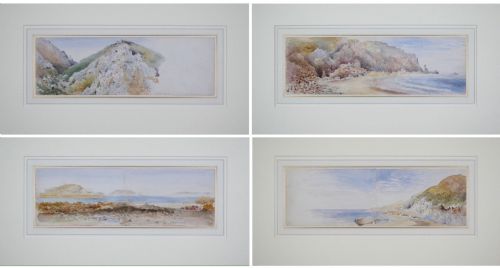
Landscapes and coastal scenes dominate the selection, capturing British rivers, lakes, harbours and rural fields. Townscapes and agricultural views with livestock also appear frequently across the Victorian and Edwardian periods.
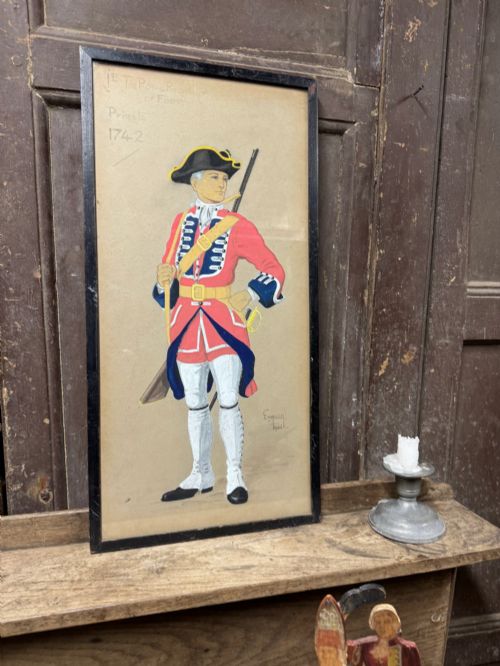
Portraiture forms another distinct category, ranging from military figures to individual studies in ink and wash.
Are these works signed by the artists?
Many examples feature artist signatures or initials, sometimes accompanied by dates or location inscriptions written directly on the paper. Signed works often provide a clear link to documented painters of the British School.
Unsigned pieces remain common, reflecting the large output of topographical and amateur artists working during the nineteenth and early twentieth centuries.
How do I identify a period frame?
Period frames usually feature hand-carved or moulded wooden profiles finished with genuine gold leaf or early gilding techniques. They often show age-related wear and patination that matches the estimated date of the artwork.
Subtle differences in moulding design and corner construction help distinguish Victorian and Edwardian frames from later replacements.