
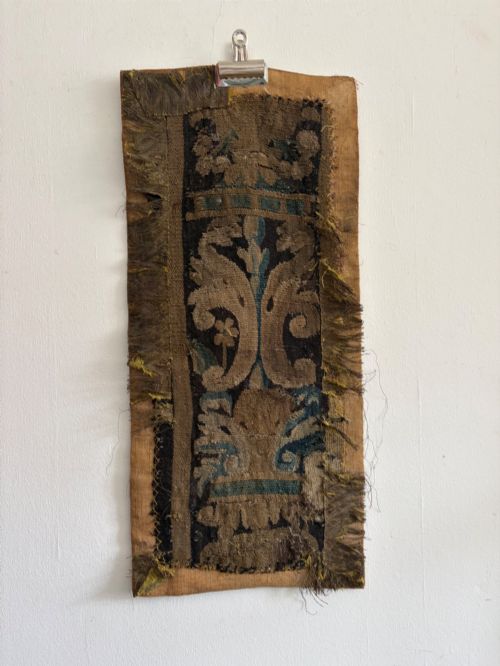


Framed Art Piece
A framed art piece brings centuries of painting, drawing and textile fragments into domestic spaces.
Framed Art Piece
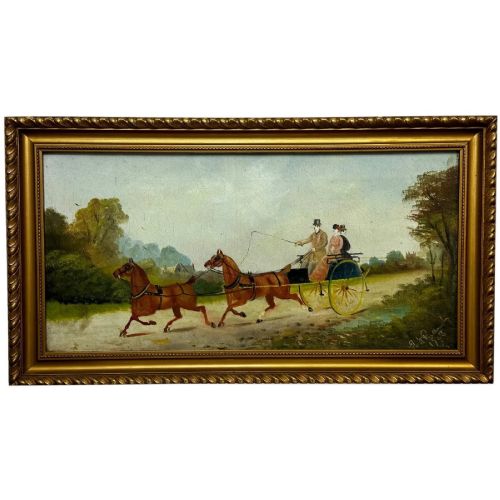
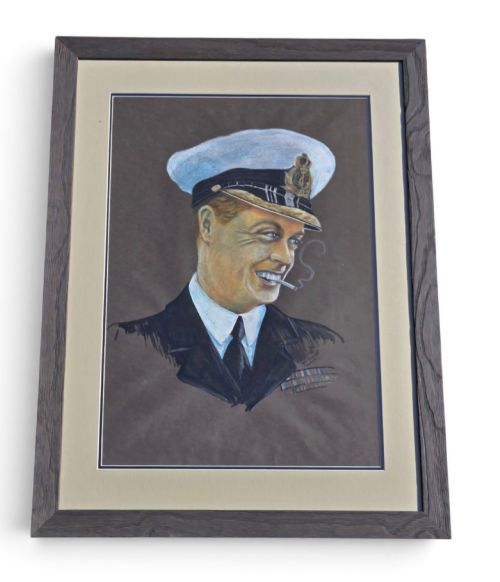
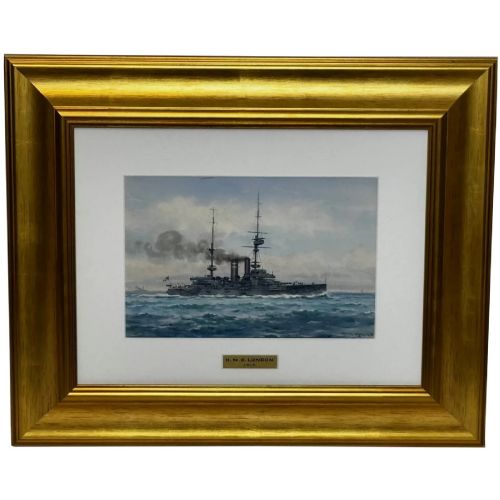
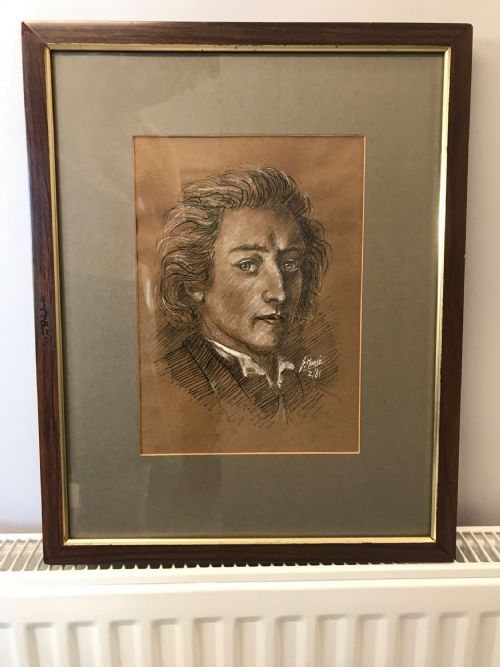
A framed art piece encompasses oil paintings, watercolours, pastels, pen drawings and mounted tapestry fragments spanning from the eighteenth century to the mid-twentieth century. Buyers searching this phrase encounter diverse subjects, including portraits, maritime scenes, sporting art, landscapes and abstract compositions.
The selection ranges from Victorian and Edwardian works to Georgian portraits and Mid-Century Modern abstract still lifes. Most items arrive ready to hang, set within period wooden or gilt frames that complement the medium.
How they were made
Works are executed in oil on canvas or board, watercolour, pastel, pen and ink wash, and gouache on paper. Textile pieces utilise tapestry border fragments mounted to linen for preservation.
Frames are constructed from wood, frequently featuring gilt finishes, decorative mouldings or glass protection for works on paper and delicate watercolours.
A naive watercolour interior quietly preserves the domestic contentment of goldfish and a dog from a bygone century.
What varies in quality
The distinction lies in the execution of the subject matter, the handling of light and medium by the hand, and the preservation of the surface over time. Original framing, artist signatures and documented provenance elevate specific examples above anonymous or decorative workshop output.
Frank Watson Wood·Dame Laura Knight·Raoul Millais·Augustin Edouart·Charles Philips
The Framed Art Piece Glossary
- Verdure tapestry
- A woven wall hanging featuring botanical motifs, foliage and landscape elements, often surviving as fragments.
- Gouache
- An opaque water-based paint that provides solid areas of colour and sharp detail in works on paper.
- Silhouette
- A profile portrait cut from paper or painted in solid black, frequently mounted against a contrasting background.
- Provenance
- The documented history of ownership that traces a piece from its creation to the present collection.
Framed Art Piece: Frequently Asked Questions
How do I hang a heavy oil painting safely?
Ensure the wall fixing engages directly with structural timber studs or uses heavy-duty masonry anchors suitable for the weight.
Double-wire or robust D-rings on the wooden frame distribute the load evenly across the hanging points.
Can I place watercolours in direct sunlight?
Paper, pigments and watercolours fade when exposed to ultraviolet light over extended periods.
Position these works on interior walls away from direct windows to preserve the integrity of the paper and ink.
What is the difference between an oil painting and a watercolour?
Oil paintings utilise pigment suspended in drying oils applied to canvas or wood panels, allowing for rich texture and reworking.
Watercolours employ water-soluble pigments on paper, producing translucent washes and lighter effects.
How do I identify the period of a frame?
Frame styles often mirror the prevailing aesthetic of the era, from heavy Victorian plaster mouldings to clean Mid-Century wooden profiles.
Construction methods, corner joins and the type of gilt or wood finish provide further chronological indicators.