
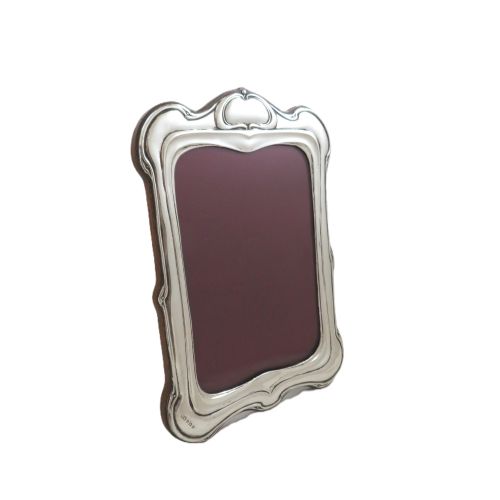
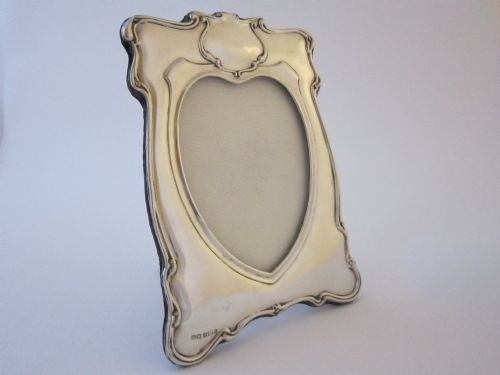
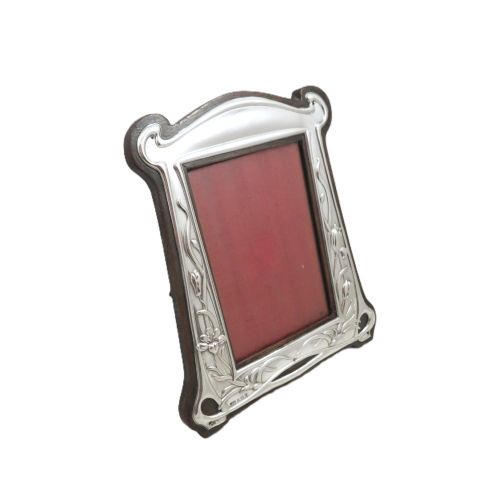
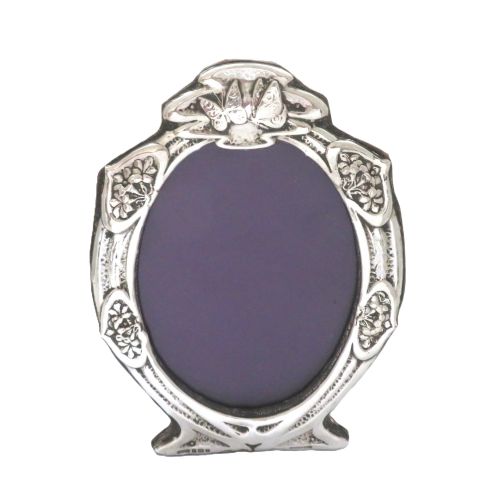




Framed Art Nouveau Pictures
Framed art nouveau pictures unite organic motifs and sinuous lines, offering a distinct visual charm that brings character to any room.
Framed Art Nouveau Pictures
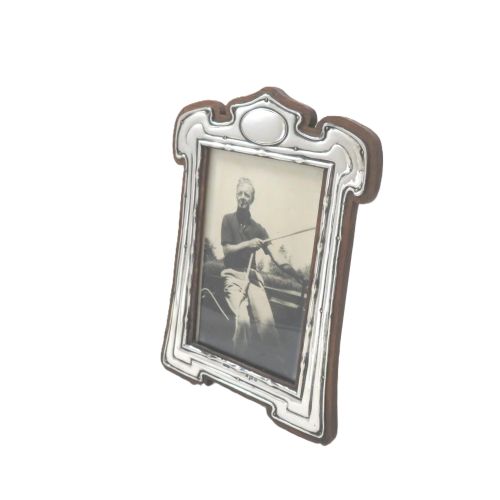
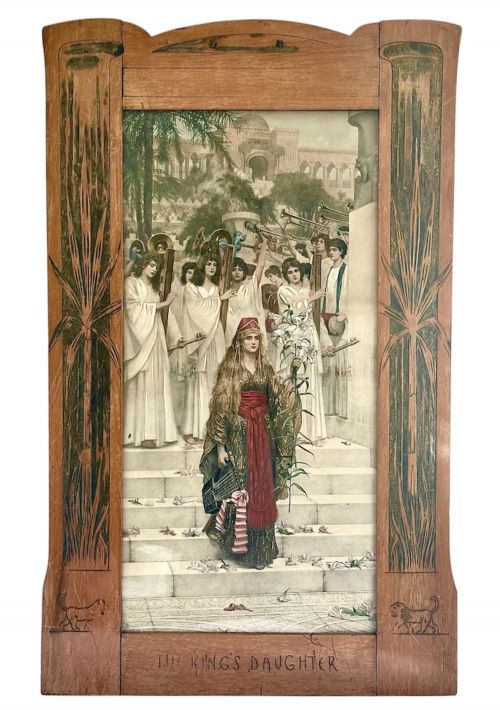
When you search for framed art nouveau pictures, you encounter a selection centred heavily on photograph frames, picture frames, and framed prints. These objects emerge predominantly from the early twentieth century and the Edwardian period, alongside Victorian and nineteenth-century examples.
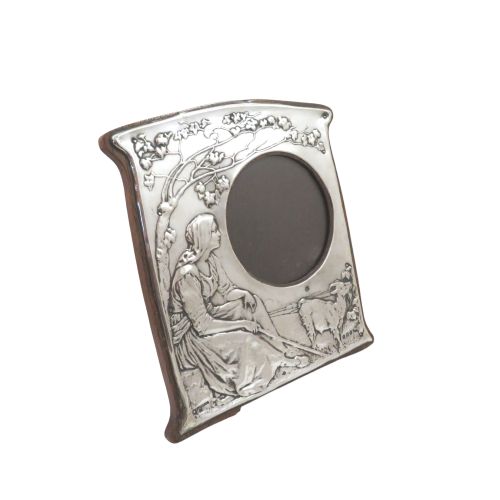
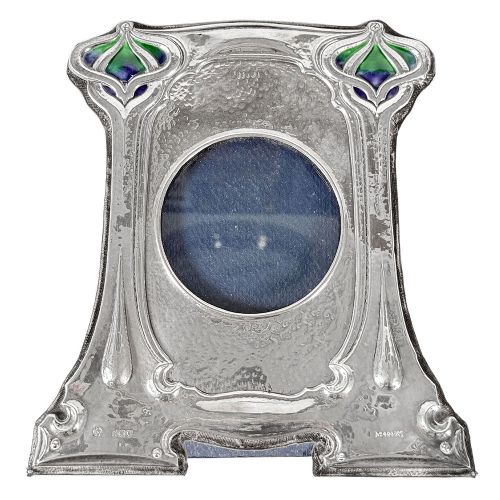
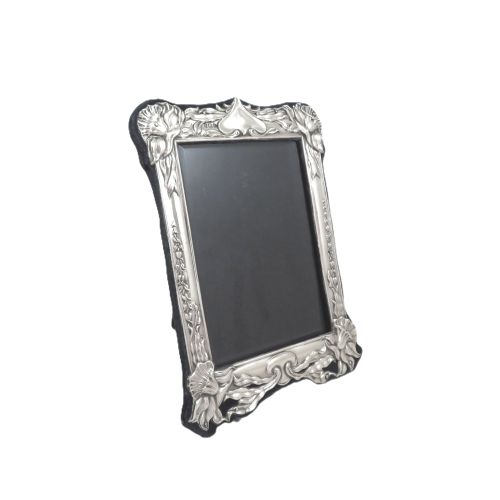
The dominant material format on this page pairs sterling silver, brass, pewter, or giltwood with paper prints, watermarks, or photographic portraits. Many pieces incorporate embossed details, floral watermarks, or enamel work alongside the primary frame structure.
How they were made
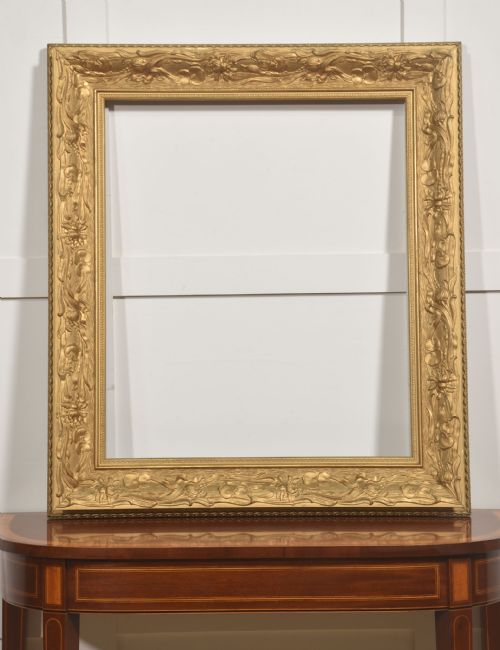
Metal frames utilise sterling silver, brass, or pewter, often shaped through embossing or planishing techniques to create organic contours. Giltwood and gesso frames employ carved wooden substrates finished with gold leaf or gilding.
Paper components rely on photogravure, prints, and watercolour paintings. Enamel accents appear on specific metalwork pieces to add colour contrast.
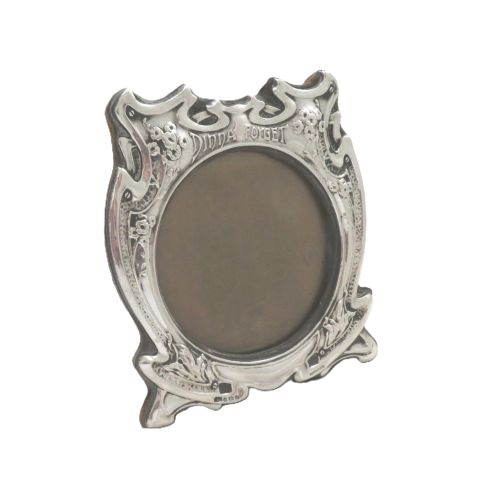
Silver frames occasionally hide charming inscriptions like 'Dinna Forget' beneath scrolling floral tendrils.
What varies in quality
Quality rests in the crispness of the embossed or carved vegetal and floral motifs that define the aesthetic. Deeper relief work and careful hand-finishing on silver, brass, and giltwood distinguish the finer examples.
The integration between the frame and the enclosed print, photograph, or watercolour dictates overall cohesion. Pieces retaining original structural elements and makers' marks display higher integrity.
William Hutton and Sons·Herbert Gustave Schmaltz·Eduard Veith
The Framed Art Nouveau Pictures Glossary
- Photogravure
- An intaglio printmaking process that produces photographic images with continuous tones. This technique was frequently utilised for fine art prints during the period.
- Planished
- A metalworking technique where a surface is hammered with small, flat impacts to create a textured finish. It appears on various arts and crafts silver items.
- Gesso
- A paint mixture consisting of a binder mixed with chalk or pigment, applied to wood frames before gilding. It provides a smooth surface for intricate moulding.
- Embossed
- A process where a design is raised above the surrounding surface using dies or manual pressing. This creates the characteristic three-dimensional floral motifs on metal frames.
Framed Art Nouveau Pictures: Frequently Asked Questions
What periods do these framed pictures cover?
The selection spans from the late nineteenth century through the Edwardian era up to the 1930s. Most pieces cluster around the early nineteen-hundreds.
Silver photo frames and framed prints dominate the chronological spread, reflecting the manufacturing output of those decades.
What materials are commonly used in the frames?
Sterling silver, brass, pewter, and giltwood form the primary structural materials for the frames. Fabric, velvet, and paper support the internal artwork.
Silver examples frequently feature embossed floral designs, while wooden alternatives utilise gesso and gold leaf to achieve ornate surface textures.
How do I care for silver art nouveau frames?
Sterling silver requires gentle cleaning with a soft cloth to avoid flattening embossed details or damaging enamel work. Avoid harsh chemical dips that strip patination.
Keep frames away from direct moisture and extreme temperature fluctuations to preserve the backing materials and internal paper contents.
Are the prints original to the frames?
Many pieces pair original period frames with contemporary photographs, watermarks, or photogravures. Some listings retain their original artist prints from the nineteenth and twentieth centuries.
Examining the backboards and fixings helps determine whether the artwork and frame have remained together since initial production.