



Framed Ancestor Painting
These framed ancestor painting works bridge centuries of domestic portraiture, bringing quiet dignity and historical presence directly into modern rooms.
Framed Ancestor Painting
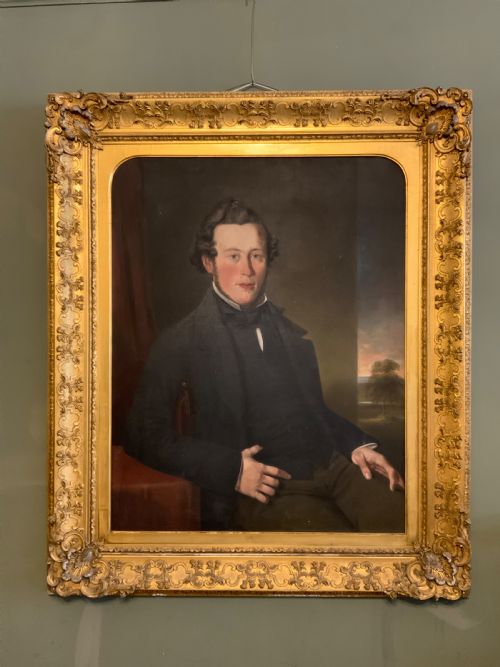
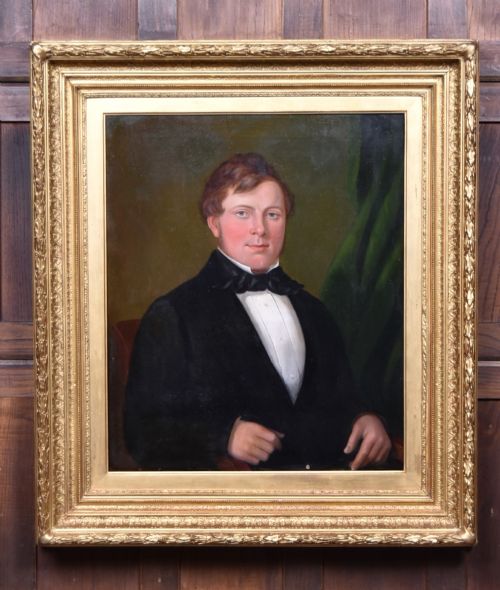
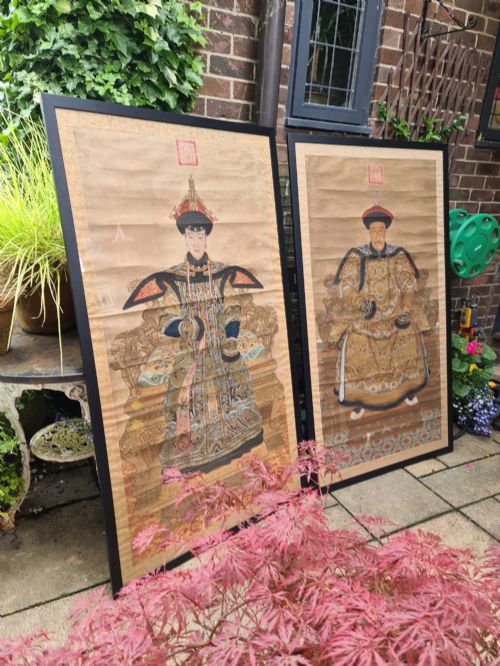
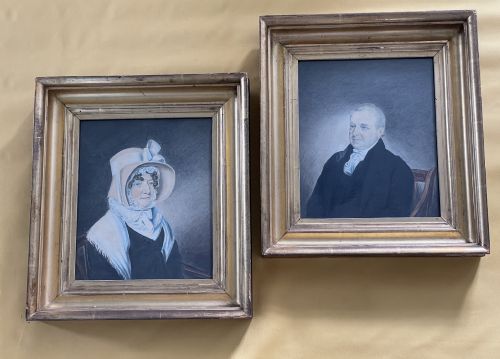
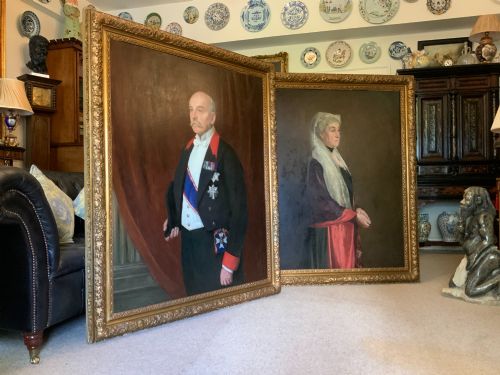
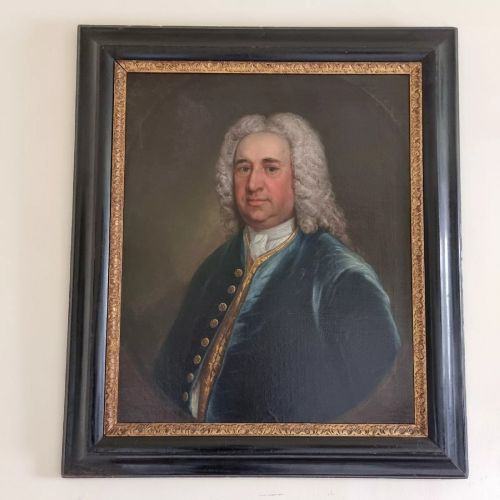
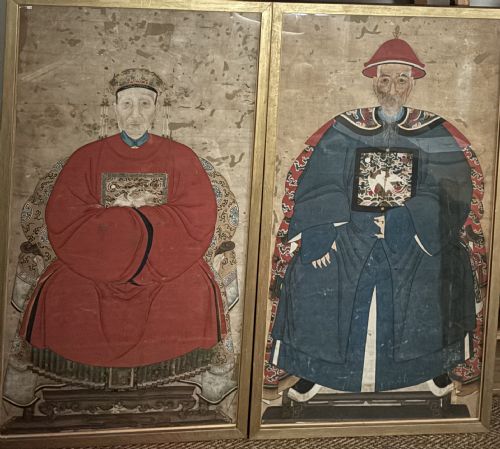
When you search for a framed ancestor painting, you encounter a diverse gathering of historical portraiture spanning multiple continents and traditions. These works capture specific individuals from past centuries, recorded through various regional painting schools.
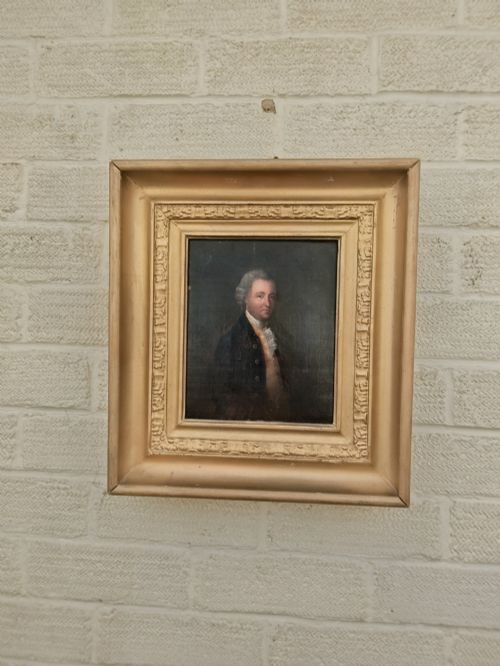
The selections available here range from British and European oils on canvas to Chinese ancestral scrolls and reverse glass paintings. You are most likely to meet 19th-century examples alongside earlier Georgian and Regency pieces.
Subjects include seated gentlemen, military figures, and formal dignitaries presented in their original frames. Each piece offers a direct visual link to domestic lineages and historical portrait traditions.
How They Were Made
Artists executed these works utilising oil on canvas, delicate watercolours on paper, and pigments applied to silk or porcelain plaques. Reverse glass paintings required meticulous brushwork applied directly to the rear of the pane to create depth.
Frames constructed from wood and finished with gold leaf or giltwood protect and complete the presentation. The physical materials reflect the period techniques standard to Western and Asian portrait studios alike.
Several gentlemen in these portraits wear remarkably stern expressions, as smiling was considered entirely improper for formal family posterity.
What Varies in Quality
Quality rests in the precision of the facial rendering and the psychological presence captured by the artist. Masterful brushwork distinguishes refined academic portraiture from simpler folk or naive interpretations.
The preservation of the original surface pigments and the intact condition of the period frame determine the desirability of the piece. Vibrant colour retention without excessive modern restoration preserves the historical integrity of the work.
Jonathon Richardson
The Framed Ancestor Painting Glossary
- Giltwood
- Wood carved and coated with gold leaf or a gold-coloured metallic preparation. It forms the decorative border for many traditional portrait frames.
- Reverse glass painting
- A technique where the artist paints directly onto the back of a glass sheet, viewing the finished image from the front. This method creates a glossy surface finish.
- Oil on canvas
- Pigments bound in an oil medium applied to a stretched woven fabric support. This combination provides durability and allows for subtle blending of tones.
- Regency
- The period in British history spanning the early nineteenth century, noted for specific neoclassical design traits in furnishings and frames. Portraits from this era display distinct sartorial styles.
Framed Ancestor Painting: Frequently Asked Questions
How do I hang a heavy framed ancestor painting?
Secure heavy wood and giltwood frames directly into wall studs using appropriate rated hardware. Ensure the hanging wire or brackets on the back match the total weight of the canvas and frame.
For larger scrolls or oil paintings, professional installation prevents shifting and protects the original frame structure over time.
Where should I display these portraits at home?
Place portraits in principal rooms such as living areas or hallways where traditional furniture complements the historical aesthetic. Avoid direct sunlight to protect delicate pigments and paper elements.
Maintaining stable room humidity prevents cracking in older canvas supports and wooden frames.
How do I distinguish Chinese ancestor paintings from Western portraits?
Chinese ancestral works often utilise ink and pigment on paper or silk, featuring formal frontal poses associated with memorial traditions. Western portraits typically employ oil on canvas with three-quarter view angles.
Framing styles also differ, with Chinese works frequently presented as hanging scrolls or within distinctive regional mouldings.
What does naive folk art mean in these portraits?
Naive school portraits display a charming simplicity in perspective and proportion rather than strict academic adherence to anatomy. These provincial works reflect local artistic traditions rather than formal portrait studio output.
Collectors prize this directness for its authentic regional character and unpretentious execution.