
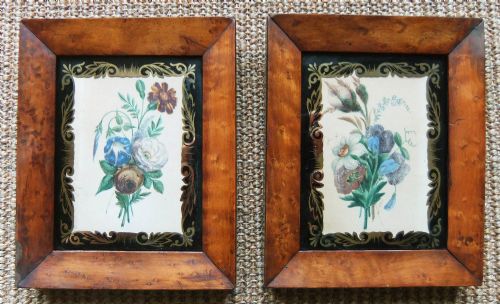
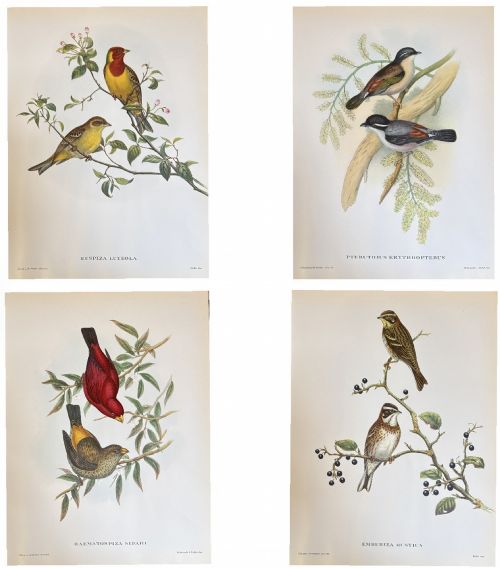
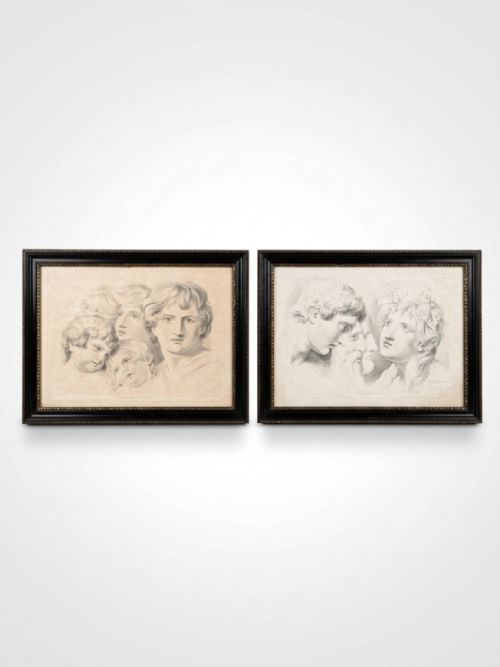
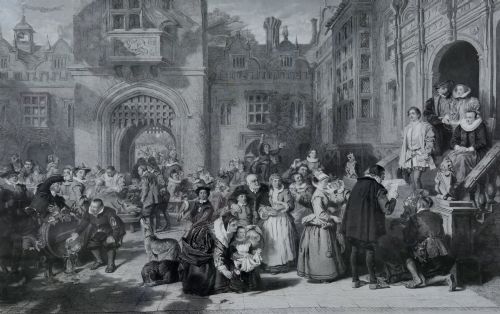
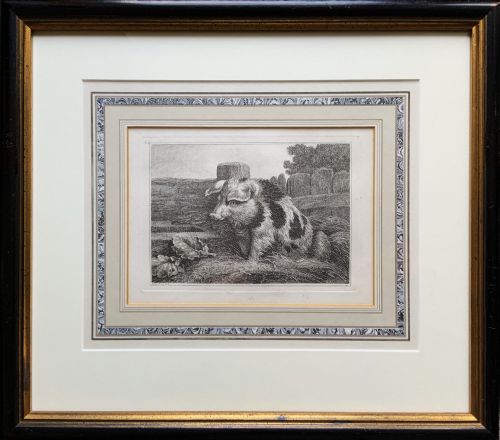
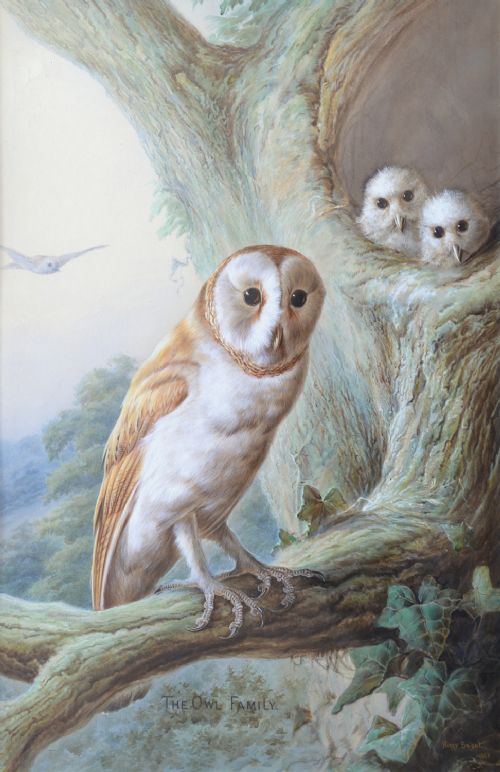
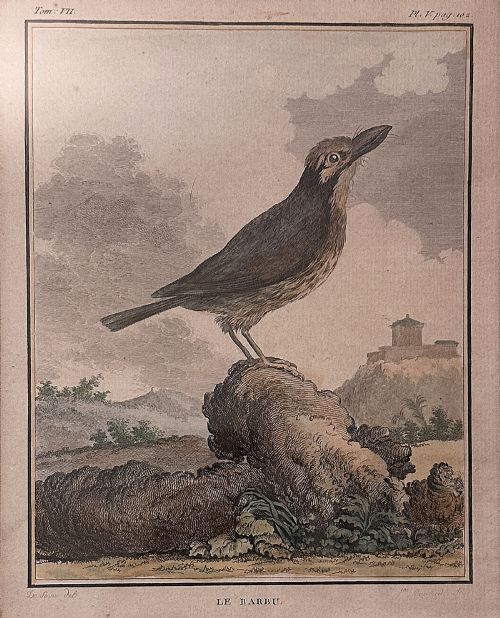
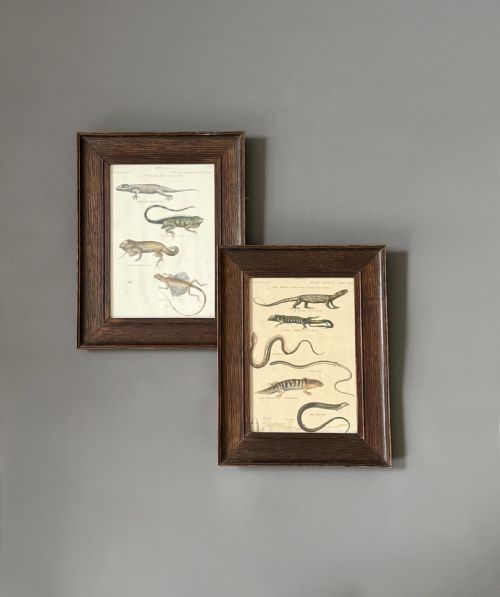

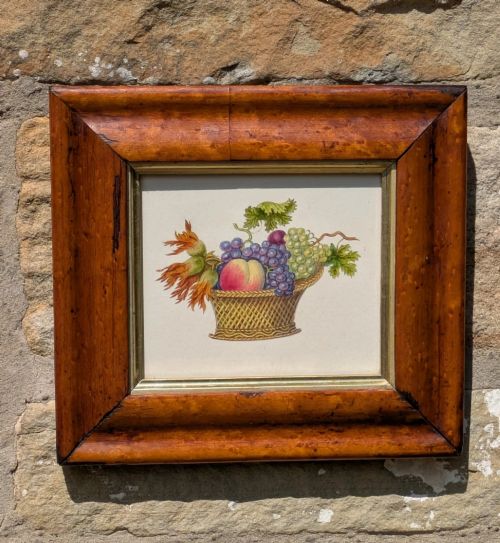
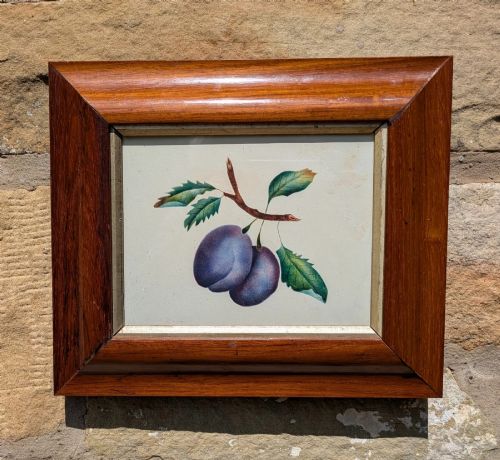
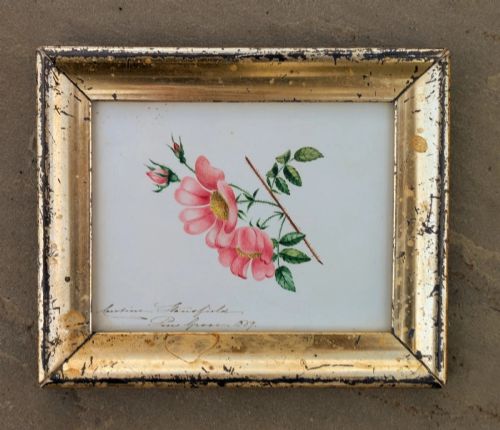
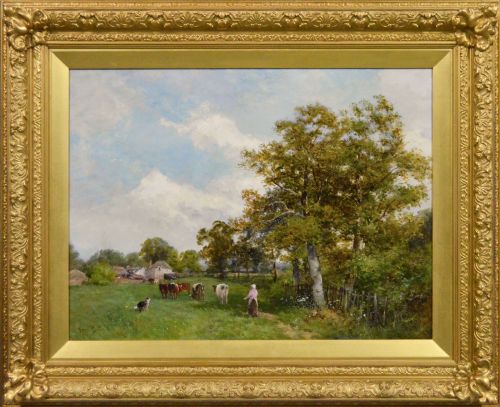
Framed 19th Century Print
A framed 19th century print brings period character to a wall through historic ink, paper, and traditional framing.
Framed 19th Century Print
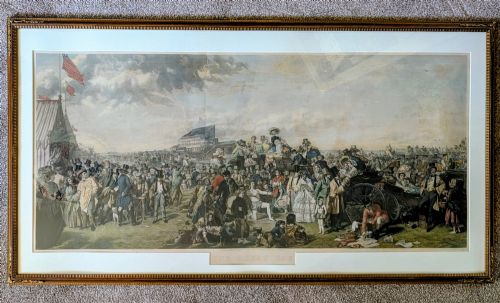
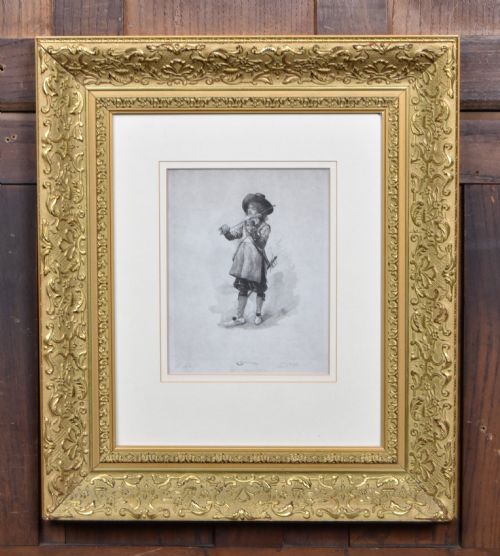
When searching for a framed 19th century print, a buyer encounters a diverse selection of wall art spanning botanical studies, sporting scenes, architectural views, and portraiture. These works reflect the visual culture of the Georgian, Regency, and Victorian eras, often preserved behind original glass.
The assortment includes hand-coloured engravings, lithographs, chromolithographs, and etchings produced across the hundred-year span. Many examples retain period enclosures such as rosewood frames, gilt wood moulding, or Hogarth frames that complement the subject matter.
Subject themes range from natural history subjects like birds and sea shells to genre scenes and topographical views of cities and distant landscapes. These pieces provide a direct link to nineteenth-century domestic interiors and print publishing traditions.
How They Were Made
Makers utilised various graphic techniques including engraving, etching, lithography, and chromolithography to transfer images onto paper. Many plates received hand-applied watercolour washes to enhance botanical illustrations, maps, and military costume prints.
Framing materials typically involved wood, such as rosewood, oak, or gesso-coated mouldings finished with gold leaf or gilt. Glazing protected the paper surface from atmospheric dirt and moisture within domestic rooms.
Listings feature paper, glass, wood, and gold leaf alongside watercolours, ink, and engravings from the nineteenth century.
What Varies in Quality
Quality depends on the crispness of the original plate impression and the skill involved in any hand-colouring applied to the paper. Earlier impressions from a newly engraved plate yield sharper details than later printings where the matrix shows wear.
The preservation of the paper sheet and the survival of the original frame contribute significantly to the character of the piece. Intact period framing and clear margins around the image indicate careful handling through successive generations.
David Bates·William Powell Frith·Amand Durand·Robert W Macbeth·George Augustus Holmes·David Roberts·Adam Buck·TB Hardy·J C Burgess·William Day·Herbert Dicksee·J C Dollman·Horatio Henry Couldrey·Louis Haghe·Oliver Goldsmith
The Framed 19th Century Print Glossary
- Engraving
- A printmaking technique where an artist cuts lines directly into a metal plate with a sharp tool. The resulting inked lines produce precise, fine details under magnification.
- Lithography
- A planographic printing method based on the chemical repulsion of oil and water on a flat stone surface. This process allowed publishers to produce detailed tonal illustrations and vibrant multi-coloured prints.
- Chromolithography
- A lithographic method utilising multiple stones to print different coloured inks onto a single sheet. This technique achieved rich, painterly reproductions of popular artworks and natural history subjects.
- Etching
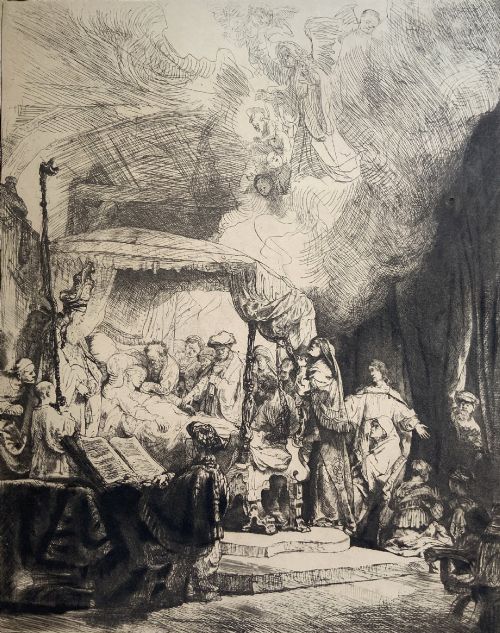
- A process where acid bites lines into a metal plate prepared with an acid-resistant ground. The controlled corrosion creates free-flowing, expressive lines characteristic of many nineteenth-century works on paper.
- Vellum
- A fine parchment prepared from calfskin, offering a smooth, durable surface for specialised print impressions and artist proofs. It provides a distinct texture compared to standard paper sheets.
Framed 19th Century Print: Frequently Asked Questions
How do I clean the glass on a framed print?
Wipe the glass gently with a soft cloth slightly dampened with water or mild glass cleaner. Apply the liquid to the cloth rather than spraying the frame directly to prevent moisture from seeping under the edge.
Keep moisture away from the timber moulding and the paper backing board to avoid water damage or staining. Older frames often feature delicate gilt surfaces that require careful handling.
Where should I hang these prints at home?
Display these works on interior walls away from direct sunlight to prevent fading of the paper and any hand-applied watercolour pigments. Stable room environments help preserve both the print and its period frame.
Group smaller botanical or sporting subjects together on a wall to create a cohesive period display. Larger architectural views or maps work well as individual focal points in reception rooms or studies.
How can I tell a hand-coloured print from a modern copy?
Examine the ink and pigment under a magnifying glass to check for the flat, dot-free areas characteristic of traditional printing methods. Hand-applied watercolour shows subtle brushwork and varied pigment density within the coloured sections.
Inspect the paper stock for age-related toning, chain lines, and watermark evidence typical of nineteenth-century manufacture. Modern reproductions often display uniform dot patterns from mechanical printing processes.
Why do some prints feature Hogarth frames?
Hogarth frames feature a distinctive stepped or ogee wooden profile finished with a dark lacquer or subtle gilding. These traditional mouldings were frequently utilised during the eighteenth and nineteenth centuries to complement works on paper.
The dark, restrained border frames the printed image without distracting from the fine lines of the engraving or etching. Many period prints retain their original Hogarth mouldings from the time of publication.