

Framed 19th Century Drawing
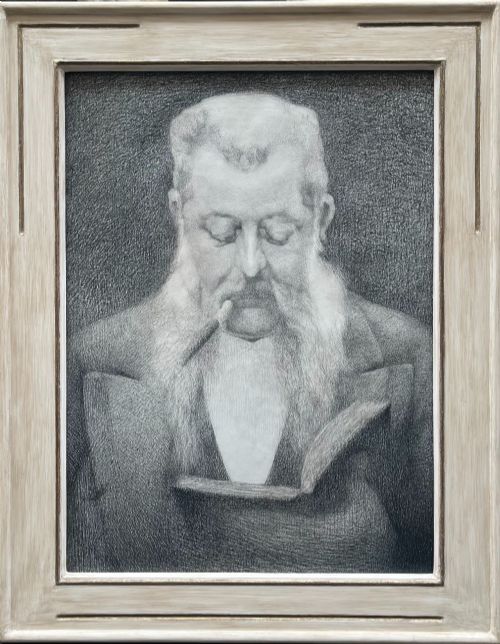
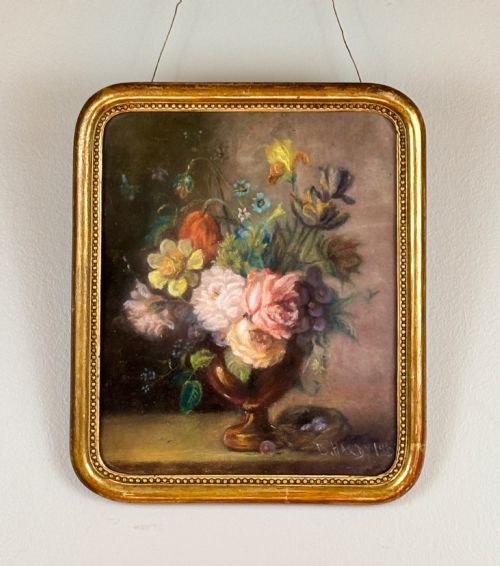
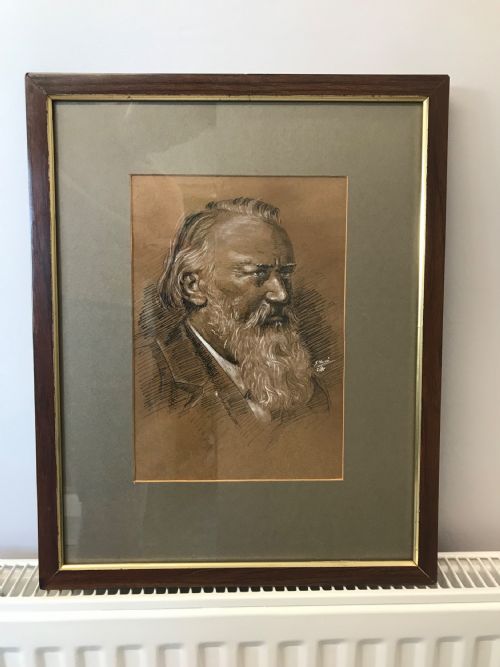
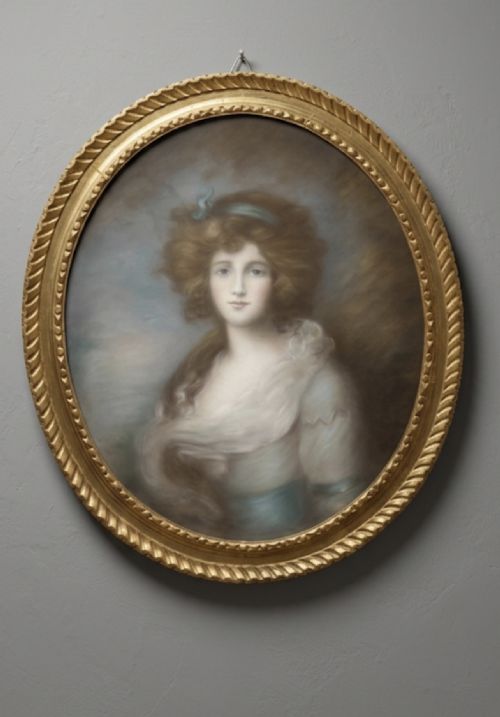
These framed 19th century drawing works bring the direct touch of the hand and the muted tones of graphite, pastel and ink into a room.
Framed 19th Century Drawing
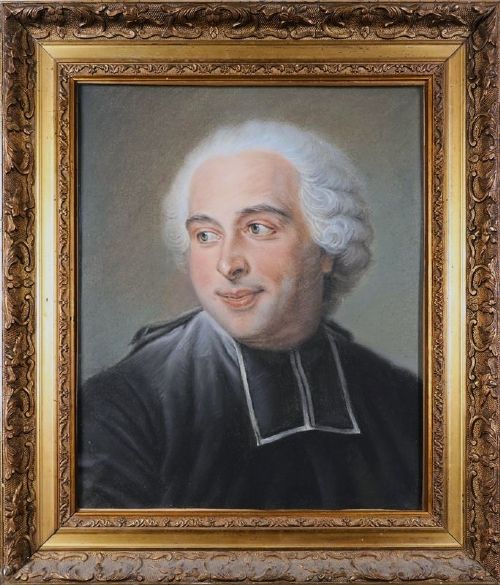
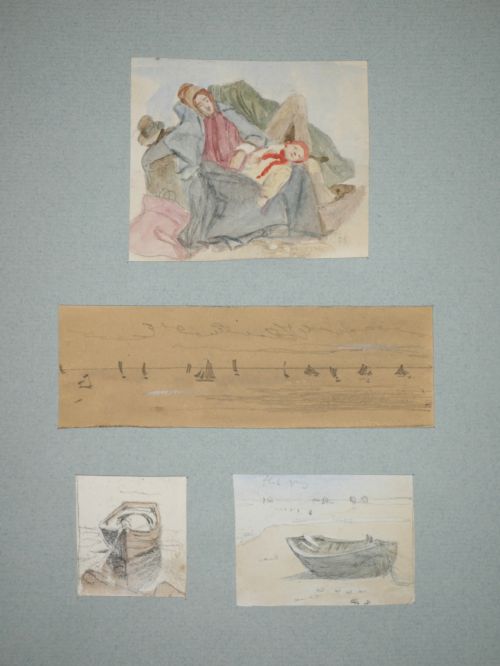
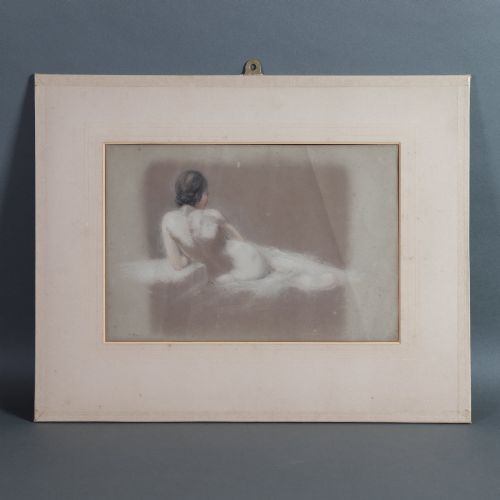
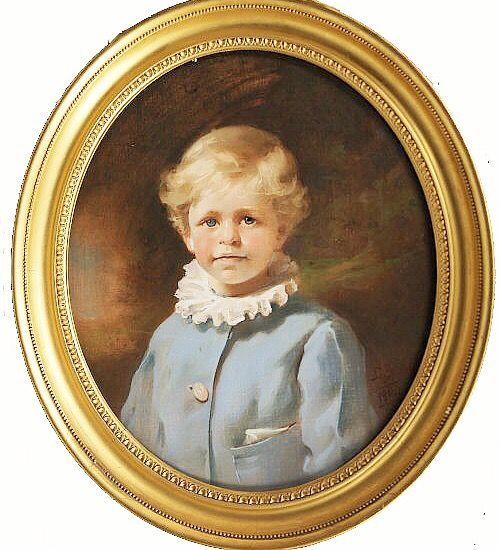
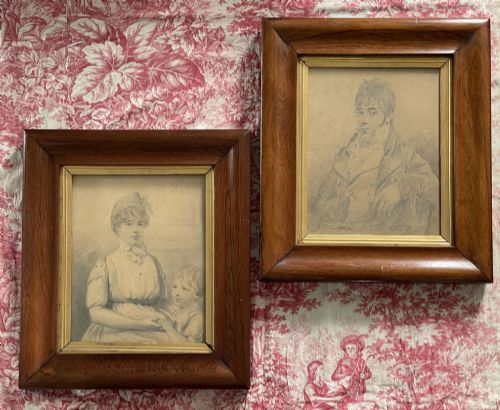
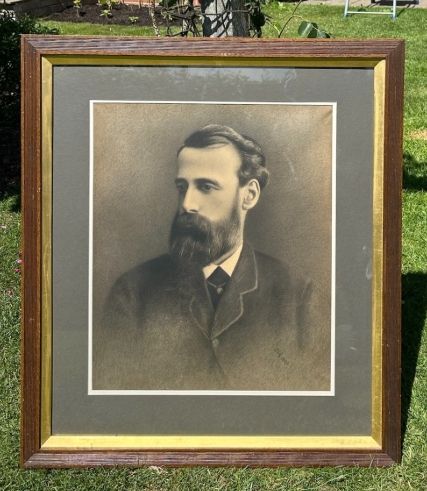
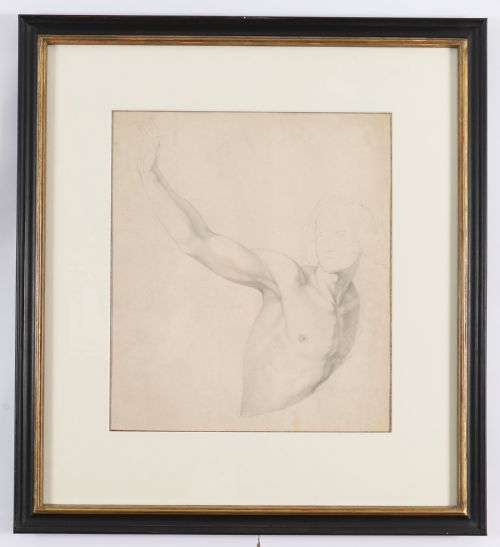
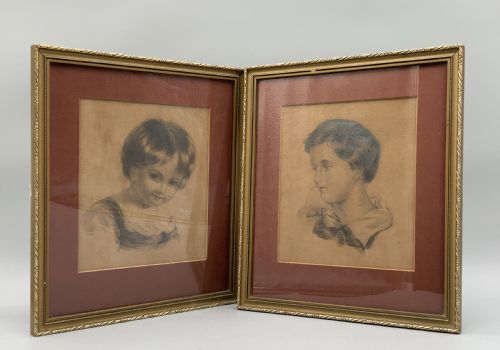
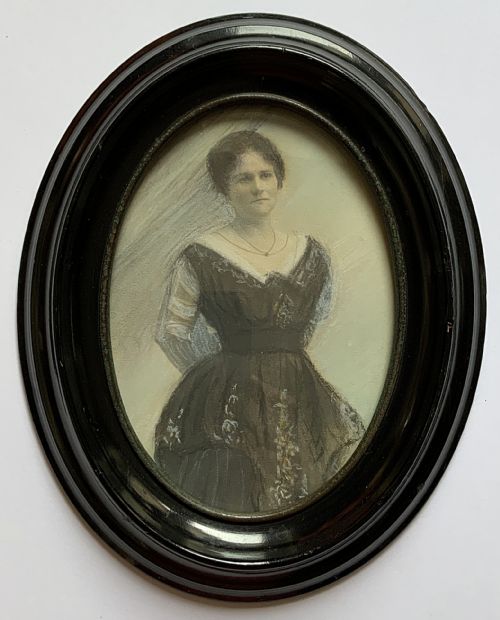
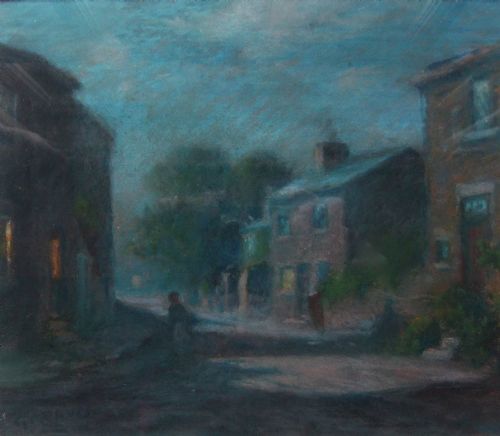
A framed 19th century drawing captures the immediate execution of an artist, whether through a quick preparatory study or a finished portrait. Buyers encounter varied subjects ranging from academic life studies of male nudes to delicate pencil sketches of children and architectural scenes.
Most pieces on this page originate from the Victorian and Regency eras, reflecting the distinct styles of Academic Realism, Romanticism and the French School. These works often arrive set behind glass in period wood frames that complement the paper support.
Materials and technique
Artists relied primarily on paper supports, applying media such as graphite, charcoal, pastel, ink, watercolour and gouache to build form and tone. Mixed media studies frequently combine pencil lines with washes of ink or bodycolour to add depth.
Framing utilised wood and glass to protect fragile works on paper from atmospheric damage, preserving the delicate dry pigments of charcoal and pastel over generations.
Several artists clearly struggled to make models hold still, resulting in wonderfully frantic pencil strokes on sleepy nudes and fidgeting children.
Quality and execution
The strength of a piece rests on the confidence of the line and the precision of anatomical or architectural proportion. Skilled academic studies display a mastery of shadow and light that elevates a simple life drawing into a compelling character study.
Condition plays a vital role in evaluation, distinguishing works with vibrant, unfaded pigments and clean paper from those compromised by heavy foxing or moisture damage.
James Smetham·William Etty·Leon Sprinck·Thomas Gainsborough·Albert Ludovici Jnr·William Greaves·Henry Arthur Roberts·William Frederick Settle·Pierre Paul Prud hon·Richard Beavis
The Framed 19th Century Drawing Glossary
- Graphite
- A form of carbon used in pencils to create monochrome drawings ranging from hard, faint lines to deep, soft shadows.
- Pastel
- A dry painting medium consisting of powdered pigment and a binder, known for its velvety texture and rich colour.
- Gouache
- An opaque watercolour paint that includes a white pigment filler, allowing for vibrant highlights on tinted paper.
- Academic Realism
- A style of painting and drawing produced under the influence of European academies of art, emphasising precise anatomy and traditional technique.
- Foxing
- Brown spots or patches on old paper caused by chemical reactions in the pulp over time.
Framed 19th Century Drawing: Frequently Asked Questions
How should I hang a framed 19th century drawing?
Keep works on paper away from direct sunlight to prevent the fading of delicate watercolours and pastel pigments. Position them on interior walls where temperature and humidity remain stable.
Ensure the frame hangs securely from appropriate wall fixings, as antique wooden frames can be surprisingly heavy due to the protective glass.
What is the difference between a sketch and a study?
A sketch is typically a quick, spontaneous record of a scene or an idea captured rapidly by the artist. It serves to note down a composition or a passing effect of light.
An academic study, by contrast, is a deliberate, detailed examination of a specific subject, such as a figure or a hand, created to refine technical skill.
Can I remove the drawing from its frame?
Opening the frame risks damaging fragile paper, dry pastel dust and acidic backing boards that have settled over many decades. Leave historical mountings intact to preserve the integrity of the piece.
If reframing is necessary for conservation reasons, consult a professional paper restorer rather than attempting the work at home.
How do I identify a Regency period drawing?
Regency works often feature refined, delicate pencil or ink lines that reflect neoclassical tastes and portraiture styles popular during the early decades of the nineteenth century. Look for costumes, hairstyles and subject matter characteristic of the Regency era.
Inscriptions, dates on the reverse, or historical framing details can also help confirm the period of execution.