

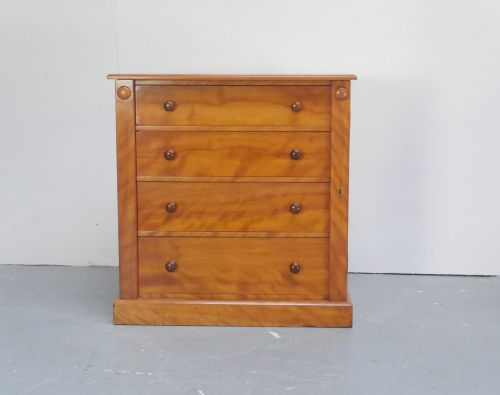
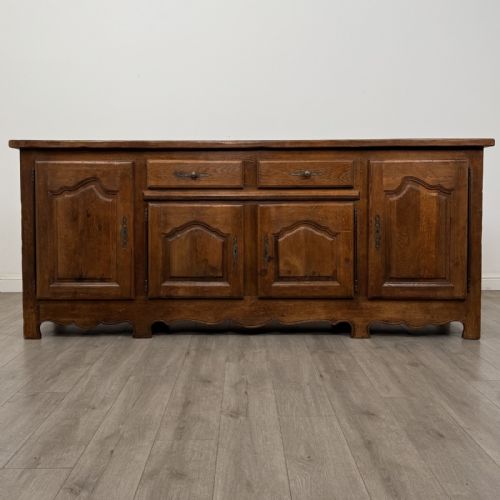
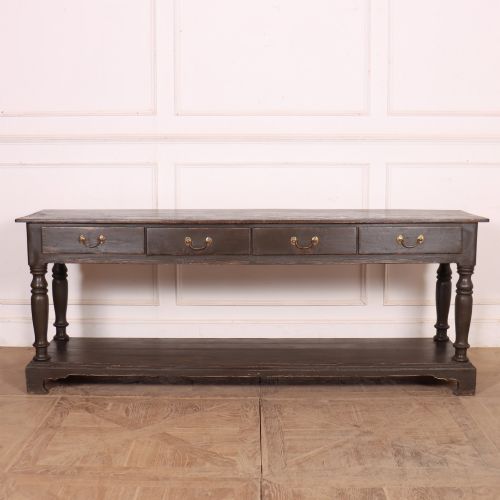
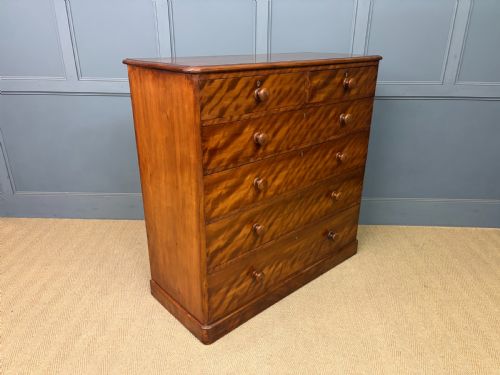


Four Drawer Dresser Base
A four drawer dresser base brings genuine utility and storied timber into a room, offering deep surface space alongside robust lower storage.
Four Drawer Dresser Base
A four drawer dresser base stands as a utilitarian staple, surfacing across the eighteenth and nineteenth centuries in various regional British and European workshops. These pieces function primarily as heavy-duty sideboards and kitchen dressers, designed for practical storage in domestic spaces rather than formal display.
The inventory on this page leans heavily toward English painted country house examples alongside nineteenth-century oak and pine forms. Buyers will also encounter Scottish Victorian items and Swedish Empire Revival birch variants, showing how diverse regional cabinetry adapted the basic configuration.
Makers such as Heal & Son appear alongside uncredited country joiners, demonstrating that both high-street London firms and local makers turned their hands to these forms. The materials range from stripped timber to heavily painted surfaces, reflecting decades of domestic use and redecoration.
Materials and Construction
Construction relies upon honest timbers including oak, pine, and birch, selected for structural endurance in busy kitchens and halls. Cabinetmakers utilised sturdy joining techniques to ensure the carcases withstood daily weight and movement.
Surfaces frequently show layers of historic paint or raw timber, paired with functional hardware such as brass handles and iron fittings. This combination of timber and paint defines the tactile reality of surviving pieces from these periods.
Four Drawer Dresser Base Retail Price Guide 2026
Typical asking prices for four drawer dresser base among the pieces listed under this phrase on Sellingantiques today, from the lower quarter to the upper quarter. They describe what is for sale here now, not the wider market.
Current listings span from the eighteenth century through to nineteen twenty, featuring oak, pine, birch, and painted wood finishes across various regional styles.
Distinctions in Quality
Quality reveals itself in the integrity of the timber selection and the precision of the drawer construction rather than surface ornamentation alone. Superior examples maintain original structural elements, whereas lesser pieces often show extensive timber replacement and unsympathetic alterations.
The execution of painted finishes alters the character of each piece, distinguishing professional workshop decoration from later domestic repainting. Well-preserved surfaces retain an honest patina that develops naturally over centuries of handling.
Heal And Son
The Four Drawer Dresser Base Glossary
- Dresser base
- A low sideboard or cabinet featuring drawers and often a lower shelf or potboard, designed for food preparation and storage. These pieces form the structural foundation of traditional kitchen furniture.
- Potboard
- An open lower shelf built into a dresser base to store pots, pans, and heavy kitchen utensils. This practical addition provides structural stability to the legs while keeping utility items accessible.
- Empire Revival
- A nineteenth-century design movement drawing inspiration from the neoclassical motifs of the French Empire period. Pieces in this style utilise classical restraint and striking veneers such as birch.
- Pine
- A softwood commonly employed in regional farmhouse furniture for its accessibility and workability. It frequently accepts painted finishes remarkably well.
Four Drawer Dresser Base: Frequently Asked Questions
What is a four drawer dresser base used for?
These pieces serve as substantial sideboards or storage units in dining rooms, kitchens, and hallways. Their deep drawers and surface tops provide ample room for everyday items and display.
Historically, they organised domestic utensils and provisions in busy households. Today, they bring both character and practical surface area to modern interiors.
How do I identify an eighteenth century piece?
Eighteenth century examples display specific construction methods, hand-cut joints, and timbers that show deep natural ageing. The proportions and hardware typically align with Georgian craftsmanship standards.
Examining the interior drawer construction and timber shrinkage offers reliable clues to the true age. Secondary woods used in internal framing also help confirm the period.
Are painted finishes original?
Many pieces carry historic paint layers applied decades or centuries after their initial construction. Distinguishing original decorative schemes from later farmhouse repainting requires careful inspection of surface wear and underlying timber.
Layers of paint often accumulated as owners updated their furniture to suit changing domestic tastes. Each application contributes to the complex patina visible today.
How should I care for antique timber?
Maintain antique oak and pine by keeping them away from direct heat sources and dramatic humidity fluctuations. Regular dusting with a dry cloth protects the finish without stripping natural oils.
Avoid commercial silicone sprays that can damage historic wax and paint layers. Gentle, traditional waxing preserves the surface sheen over decades of use.