


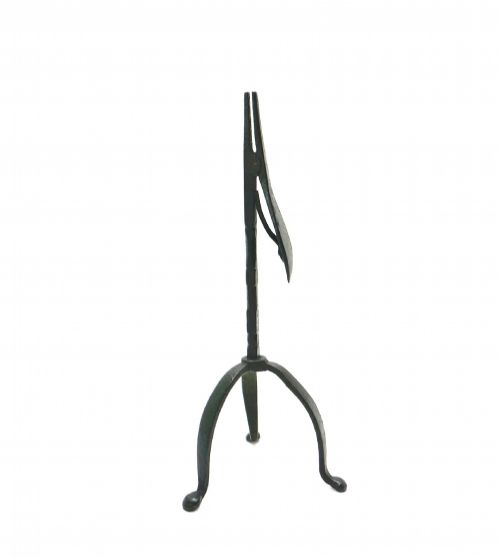


Forge Iron Candle Holder
These forge iron candle holder examples bring centuries of blacksmithing skill into your home, offering rustic utility and enduring character.
Forge Iron Candle Holder
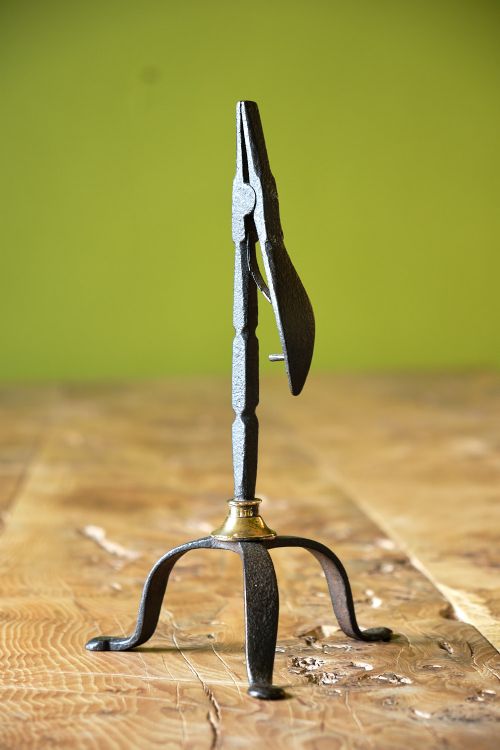
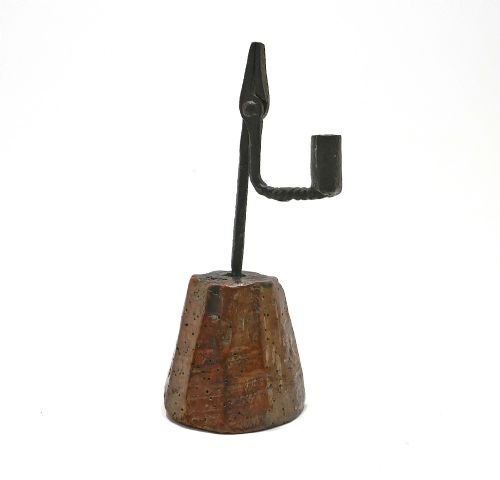
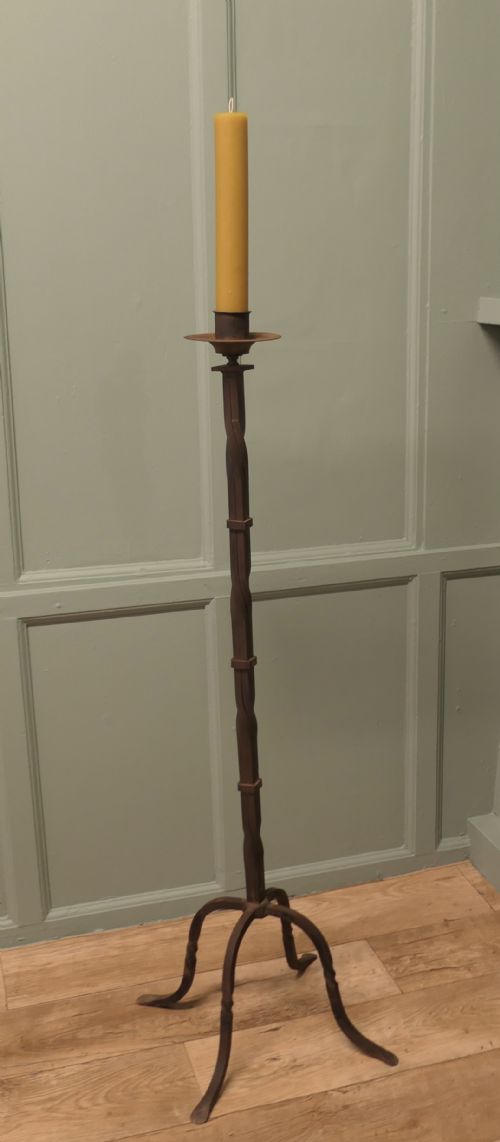
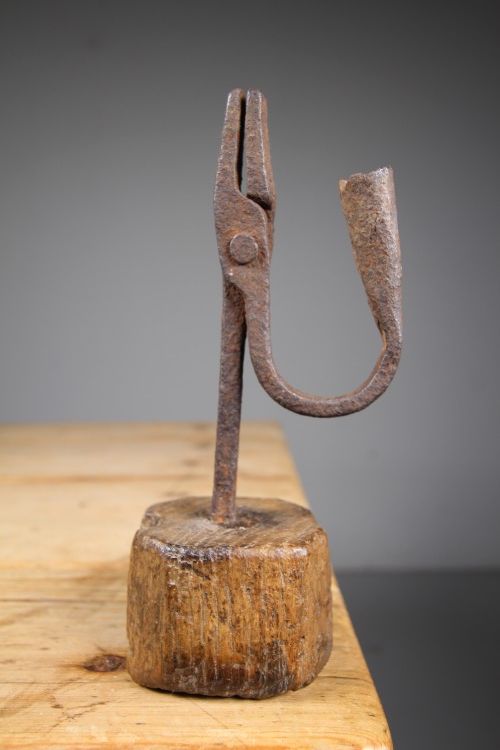
A forge iron candle holder encompasses practical lighting devices shaped by blacksmiths from iron, steel, and wrought iron during past centuries. When you search for a forge iron candle holder, you encounter utilitarian objects ranging from simple wall spikes to complex floor stands and combination rushlight holders.
The pieces on this page span several distinct periods, most notably the 17th Century, 18th Century, and 19th Century, alongside later 1900 and 1910 items. You are most likely to meet 18th and 19th Century examples that display vernacular British craftsmanship or simple domestic utility.
Forms vary significantly, including pricket candlesticks, tripod bases, rush nips, and trench art candlesticks. Some examples combine wrought iron with wood bases, whilst others adopt Gothic Revival or Secessionist stylistic elements.
Materials and Methods
The primary materials recorded in these pieces are wrought iron and steel, shaped through traditional blacksmithing techniques at the forge. Blacksmiths hammered, bent, and riveted the hot metal to create functional domestic lighting without modern industrial machinery.
Certain examples incorporate secondary materials such as wood, utilised as stable bases for wall spikes or upright standards. Surface finishes reflect natural oxidation, blackening, and the inherent texture of hand-hammered metal work.
Forge Iron Candle Holder Retail Price Guide 2026
Typical asking prices for forge iron candle holder among the pieces listed under this phrase on Sellingantiques today, from the lower quarter to the upper quarter. They describe what is for sale here now, not the wider market.
Some early wall-mounted holders relied on a simple spiked end that domestic staff literally stabbed directly into a wooden wall beam.
Judging Quality and Character
Quality in these items rests upon the fluency of the blacksmith's hand and the integrity of the original construction. Superior pieces display confident hammer marks, balanced proportions, and mechanisms that operate smoothly without unnecessary modern replacement parts.
The distinction between ordinary and exceptional examples often lies in the complexity of the mechanism, such as spring-action rush nips, and the survival of original mounting elements like wooden blocks. Retaining an untouched surface patination separates honest period survivors from heavily restored items.
Hugo Berger Goberg
The Forge Iron Candle Holder Glossary
- Wrought iron
- A tough, malleable form of iron containing slag inclusions, traditionally worked by hand at a forge. This material resists snapping and allows for the slender, strong stems seen in early lighting.
- Rushlight holder
- A spring-loaded clip device designed to grip a dried rush dipped in animal fat for cheap illumination. Many domestic iron lighting tools combined this function with a standard candle socket.
- Pricket
- A sharp metal spike set vertically in a drip pan to secure the base of a candle. This form predates socket candlesticks and appears frequently on earlier ecclesiastical and domestic iron pieces.
- Tripod base
- A three-legged support structure providing stability for tall floor or table candlesticks on uneven floors. This formation ensures balance for heavy iron standards.
- Trench art
- Decorative or utilitarian objects manufactured by soldiers, prisoners, or civilians from military scrap materials during wartime. These pieces often utilise spent shell cases and iron components.
- Secessionist
- An early twentieth-century artistic movement focused on geometric simplification and functional design. Candlesticks from this period show cleaner, more industrial lines than earlier vernacular work.
Forge Iron Candle Holder: Frequently Asked Questions
What is a forge iron candle holder?
A forge iron candle holder is a hand-forged domestic lighting device made by blacksmiths from materials like wrought iron or steel. These objects were essential for illuminating homes before the advent of reliable gas and electric lighting.
Survivors from earlier centuries include wall spikes, table candlesticks, and combination rushlight holders designed for daily domestic use.
How do I date an iron candle holder?
Dating relies on examining the construction methods, tool marks, form typology, and any integrated materials like old wood. Eighteenth and nineteenth-century pieces typically display hand-hammered textures and simpler mechanisms than later manufactured items.
Stylistic markers such as Gothic Revival or Secessionist influences also help place pieces within the 17th through early 20th centuries.
Were rushlights and candles used together?
Many historical iron lighting pieces combined both functions in a single tool, featuring a candle socket alongside a spring-action rush nip. This versatility allowed households to utilise whichever fuel source was available or affordable at the time.
Such combination pieces reflect the practical nature of rural vernacular metalwork from the 17th and 18th centuries.
How should I clean antique iron?
Preserving the original surface patination is vital, so cleaning should generally be limited to gentle dusting and removing loose surface dirt. Avoid harsh chemical polishes or abrasive pads that strip away the historical oxidation built up over centuries.
Applying a light microcrystalline wax can protect the metal surface without altering its historic appearance.