

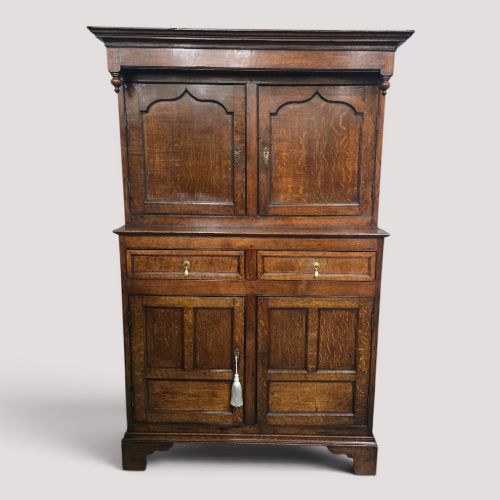

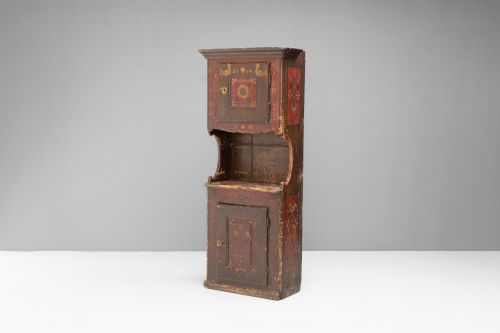
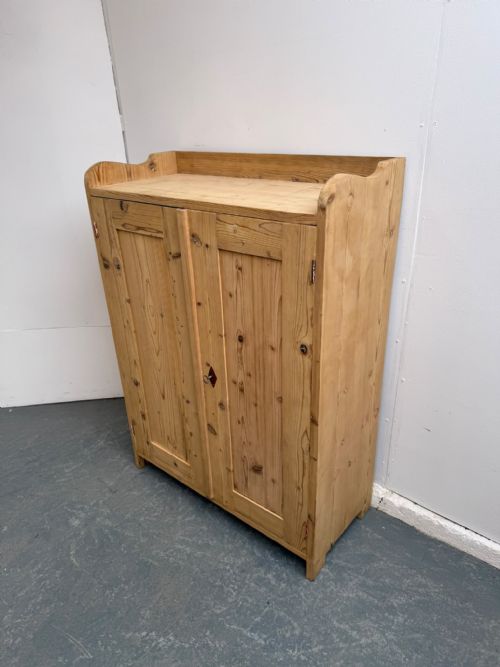


Food Cupboard Dresser
These food cupboard dresser examples span centuries of vernacular storage, offering robust domestic utility rooted in oak, pine and regional craft.
Food Cupboard Dresser
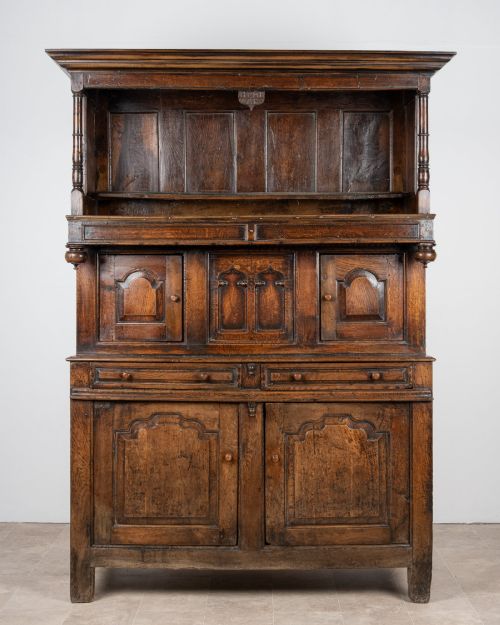
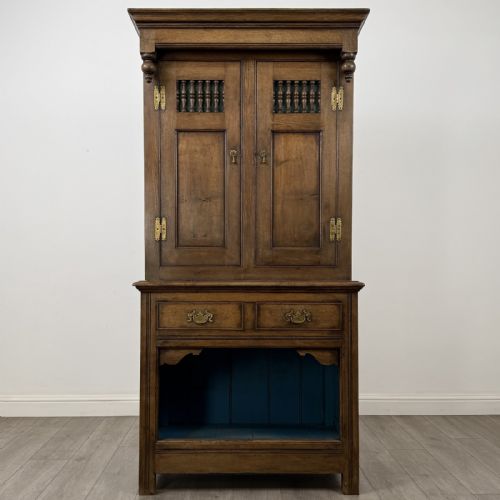
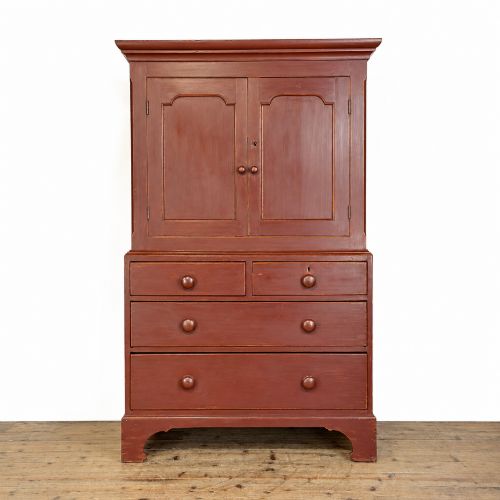
A food cupboard dresser is a substantial timber storage piece designed for domestic provisioning, encompassing diverse regional forms from Welsh deuddarn cabinets to French provincial cupboards and English housekeeper units.
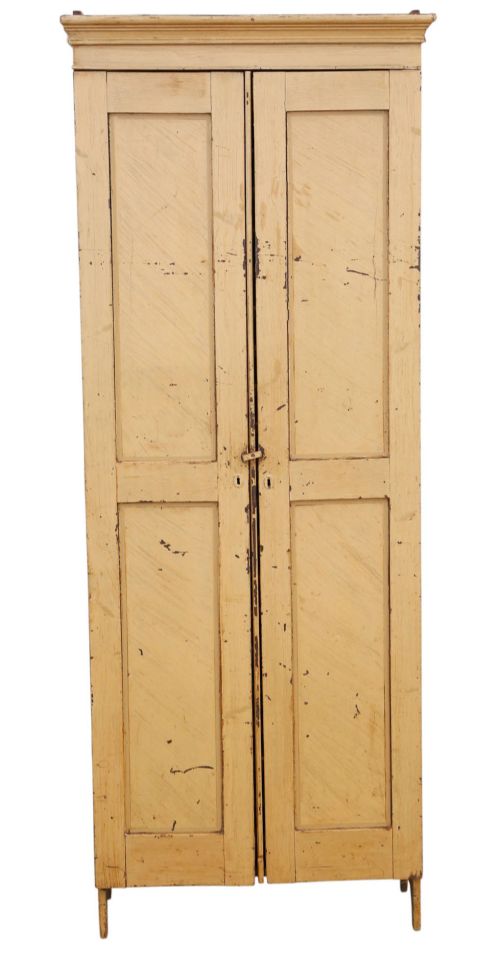
The versions most commonly met on this page span the seventeenth to the nineteenth centuries, predominantly constructed from solid oak or pine, often displaying regional vernacular characteristics such as carved pillar panels or painted finishes.
These items function as focal points in period kitchens and dining spaces, combining lower storage cabinets with upper display or enclosed shelving sections.
How they were made
Construction relies heavily on solid oak and pine timbers, joined using traditional methods suited to heavy daily use in domestic environments.
Surfaces frequently feature painted treatments, ranging from cream or ragwork paint to natural waxed finishes, alongside forged iron and brass hardware.
Detailing includes carved pillar panels and applied mouldings, reflecting both English country traditions and continental provincial workshops.
Food Cupboard Dresser Retail Price Guide 2026
Typical asking prices for food cupboard dresser among the pieces listed under this phrase on Sellingantiques today, from the lower quarter to the upper quarter. They describe what is for sale here now, not the wider market.
The listings span from the seventeenth century through the Victorian era, showcasing regional variations in oak and pine.
What varies in quality
Quality variation rests in the proportion of original timber retained, the integrity of regional joinery, and the sophistication of period carving or surface paint.
Pieces showing untouched patination and unaltered structural configurations stand apart from those with extensive timber replacement or later alterations.
The Food Cupboard Dresser Glossary
- Deuddarn
- A traditional Welsh two-part oak cupboard featuring enclosed shelving sections. This form typically dates from the seventeenth and eighteenth centuries.
- Court cupboard
- An antique cabinet type with upper and lower tiers, often supported by turned columns. These structural forms originate in the seventeenth and eighteenth centuries.
- Housekeeper's cupboard
- A tall storage cabinet traditionally utilised for linens and provisions in large country houses. Pine and oak were the primary woods employed.
- Ragwork paint
- A decorative surface finish applied with rags to create mottled patterns on nineteenth-century pine furniture. This technique adds texture to utilitarian cupboards.
- Vernacular
- Furniture built by local tradesmen using regional traditions rather than metropolitan designs. These items prioritise functional utility over courtly fashion.
Food Cupboard Dresser: Frequently Asked Questions
How do I date an old cupboard?
Dating relies on examining construction techniques, tool marks, and timber species. Earlier pieces from the seventeenth century utilise joined oak frameworks, whereas nineteenth-century examples often feature pine and machine-sawn components.
Hardware placement and original paint layers also provide vital chronological clues, distinguishing Georgian iterations from later Victorian revivals.
Where should I place a kitchen dresser?
These substantial storage units suit large dining rooms, country kitchens, or open-plan living spaces where their scale can be appreciated. Ensure adequate wall space and clearance for opening cabinet doors.
Keep timber furniture away from direct heat sources and strong sunlight to protect the antique wood and historic painted finishes.
What is a deuddarn?
A deuddarn is a traditional Welsh two-part cupboard designed for storing food and household goods. The term translates from Welsh to mean a two-piece construction.
These oak cabinets frequently date to the eighteenth century and display distinct regional joinery characteristics unique to Welsh workshops.
Are painted finishes original?
Assessing paint requires inspecting the surface for craquelure, wear patterns, and underlying timber interaction. Many nineteenth-century pine cupboards retain historic cream or ragwork paint applied decades after manufacture.
Distinguishing between period surface treatments and later decoration involves looking for cumulative wear in areas of frequent contact.