




Folk Art Rustic Furniture
Folk art rustic furniture brings handmade character into a room through vernacular seating, tables and painted storage.
Folk Art Rustic Furniture
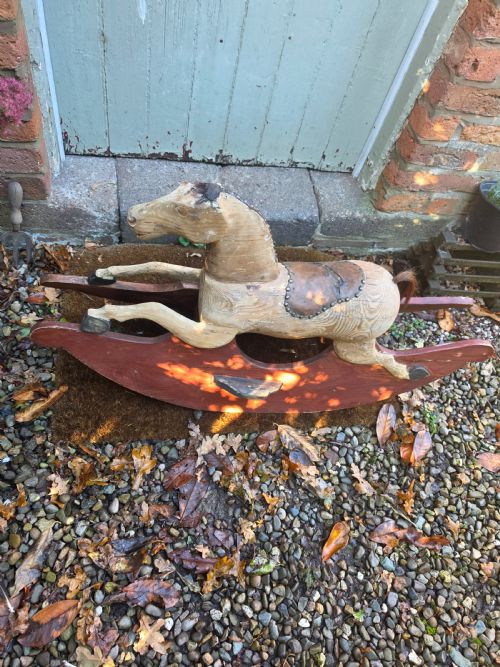
Folk art rustic furniture comprises utilitarian seating, tables, cabinets and dressers made by local makers or country workshops rather than large urban factories. When you search for folk art rustic furniture, you encounter pieces designed for practical domestic use in rural communities across Britain, Ireland, Scandinavia, and central or eastern Europe.
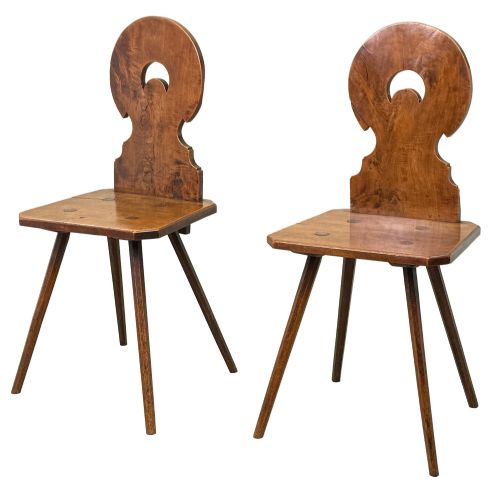
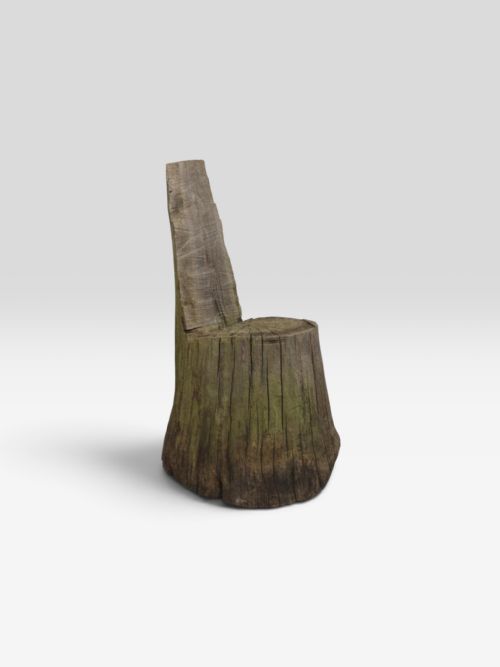
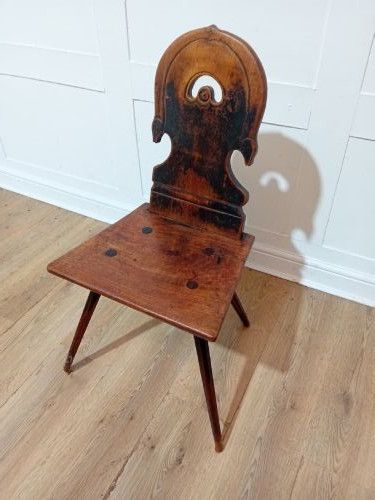
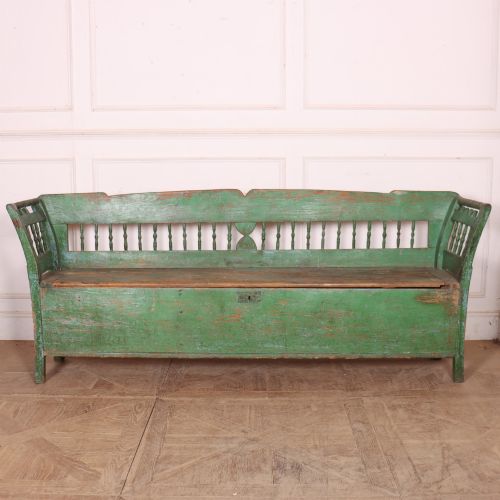
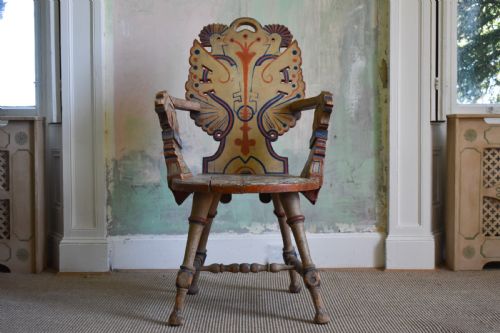
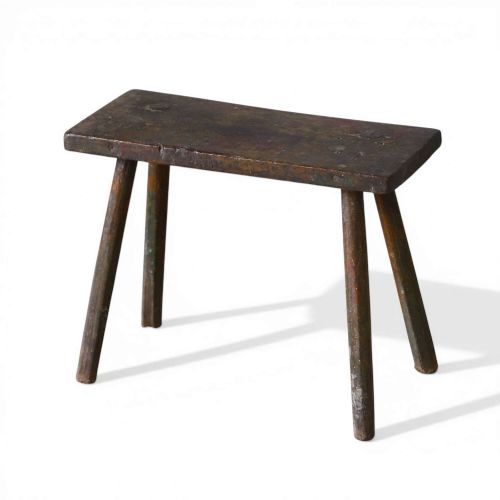
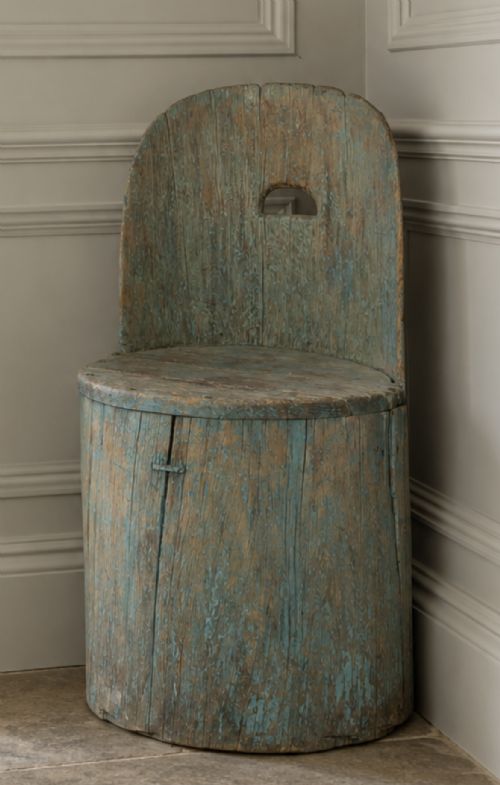
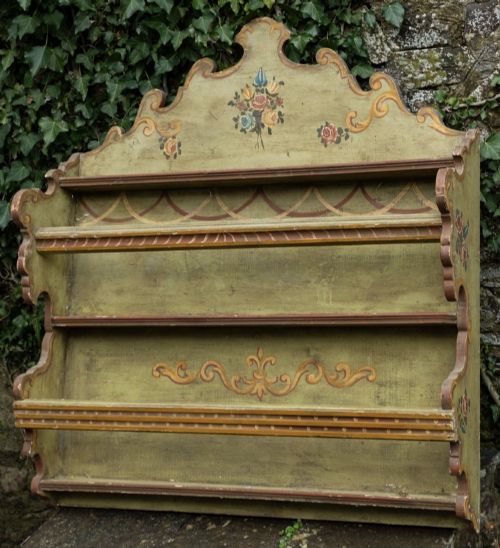
The selections here lean heavily toward nineteenth-century pine benches, side chairs, milking stools, and painted cupboards. You will find items ranging from small children's armchairs and dug-out chairs to large Hungarian box settles and alpine dressers.
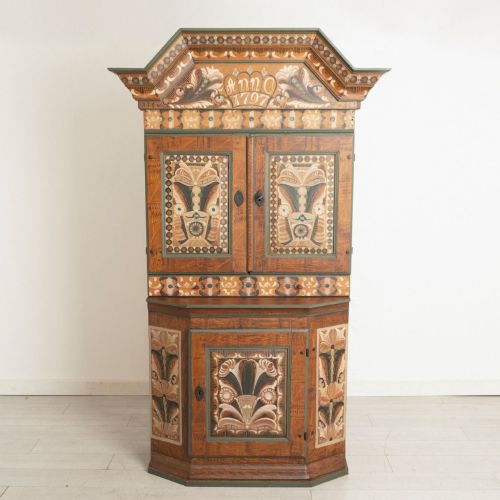
Forms are shaped by regional tradition and immediate utility, resulting in items like stick-back armchairs, comb-back chairs, and canopied settles. Many examples retain original paint finishes, showing how households decorated everyday items with cream, green, teal, and blue pigments.
Materials and Construction
Makers relied on locally available timber, predominantly pine, oak, ash, beech and mixed hardwoods. Planks were joined using traditional pegged mortise and tenon joints, dovetails, or simple domestic fastenings reinforced with iron hardware.
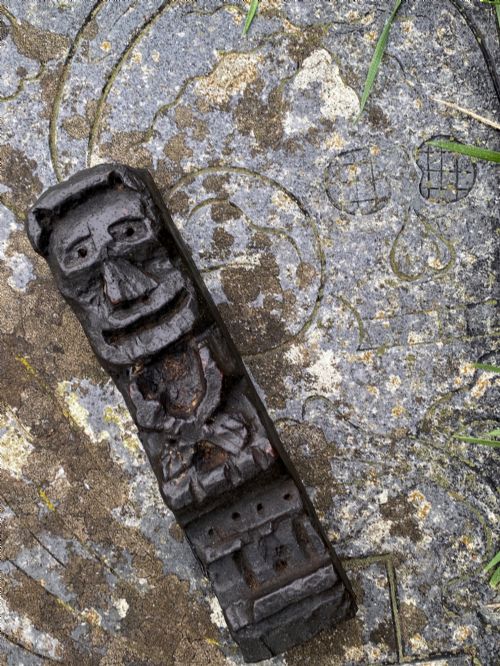
Surface treatments define many pieces, utilising layers of oil paint, wax, or plain scrubbed timber. Seats and small supports were often shaped directly from solid logs using adzes and drawknives, visible in dug-out chairs and sculpted milking stools.
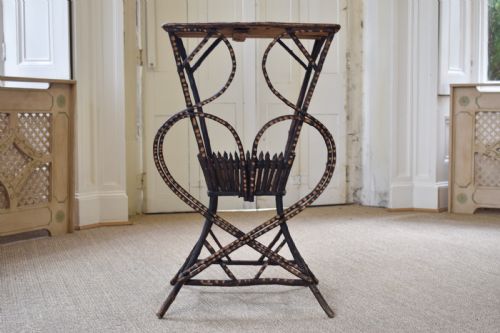
Specialist regional techniques include plaited straw súgán seating, woven pine tiers, and twigwork frameworks. Cupboards and settles frequently incorporate pegged doors, iron hinges, and hand-planed panels built to withstand heavy daily use.
Folk Art Rustic Furniture Retail Price Guide 2026
Typical asking prices for folk art rustic furniture among the pieces listed under this phrase on Sellingantiques today, from the lower quarter to the upper quarter. They describe what is for sale here now, not the wider market.
The inventory includes nineteenth-century pine, oak, and hardwood items originating from Sweden, Austria, Hungary, and Ireland.
Assessing Quality
Quality rests in the survival of original surface finishes and the integrity of the structural joinery. Pieces retaining their initial layers of paint or early wax show greater authenticity than those stripped or repainted later.
Proportion and sculptural presence distinguish ordinary items from superior examples. A well-sculpted seat, balanced arm supports, or a pleasingly unusual structural form lift a vernacular piece above standard utility items.
The degree of honest wear informs the character of each object. Minimal structural intervention and tight, original joints preserve the historical integrity that collectors value in country furniture.
The Folk Art Rustic Furniture Glossary
- Box settle
- A high-backed wooden bench with storage beneath the seat, often enclosed by solid panels or a hinged lid. They were placed near hearths to block draughts.
- Milking stool
- A small, usually three-legged seat designed for stability on uneven agricultural floors. One-leg variants attached to the milker are also known.
- Súgán chair
- A traditional seating form using a woven straw or rush seat cord. The technique provides a flexible surface supported by a wooden frame.
- Jogltisch
- A type of regional table construction featuring characteristic joint work. These tables originate in Alpine and central European domestic settings.
- Stick back
- A chair construction where turned spindles or plain round sticks are tenoned directly into a solid seat slab. This method forms both the backrest and arm supports.
Folk Art Rustic Furniture: Frequently Asked Questions
How do I clean painted rustic furniture?
Clean surfaces gently using a soft, dry cloth to remove dust without disturbing fragile historic paint layers. Avoid harsh chemical cleaners, modern detergents, or excessive moisture that can lift or soften old oil and water-based pigments.
Apply a microcrystalline wax sparingly if the bare wood requires nourishment, but leave painted areas untouched. Preserving the dry, chalky texture of original paint maintains the historical character of the piece.
Were these items made by professional cabinetmakers?
Most pieces were produced by local carpenters, wheelwrights, or agricultural workers for immediate domestic use. These makers utilised straightforward methods and readily available timber rather than following urban guild standards.
This localized production explains the charming irregularities and regional variations found in folk furniture. Each item reflects the specific needs and material availability of its rural community.
How can I tell original paint from later decoration?
Original paint typically shows consistent wear patterns, craquelure, and integration with the underlying timber over decades of use. It often reveals subtle underlayers of different colours when examined closely around joints and edges.
Modern repaint jobs tend to sit uniformly on top of the wood without genuine abrasion or ingrained dirt. Inspecting screw holes, hardware, and interior surfaces helps confirm whether the entire object has been coated at a later date.
Can I use an antique settle as everyday seating?
Historic settles and benches are generally sturdy enough for daily use if the joints remain secure and stable. Check the structural condition of the legs and base frame before placing heavy loads on them.
Adding loose cushions can protect fragile antique wooden seats from excessive wear. Regular minor maintenance of loose pegs helps keep functional furniture safe for modern living.