



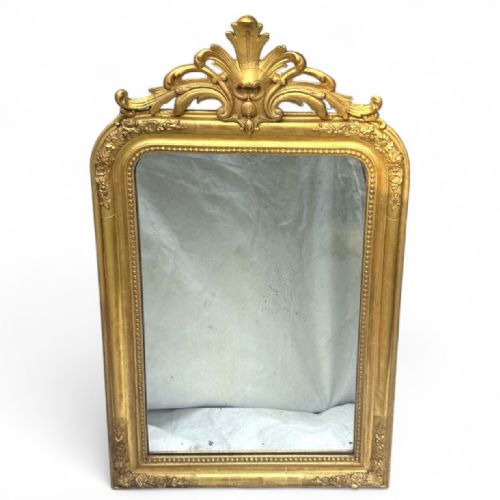


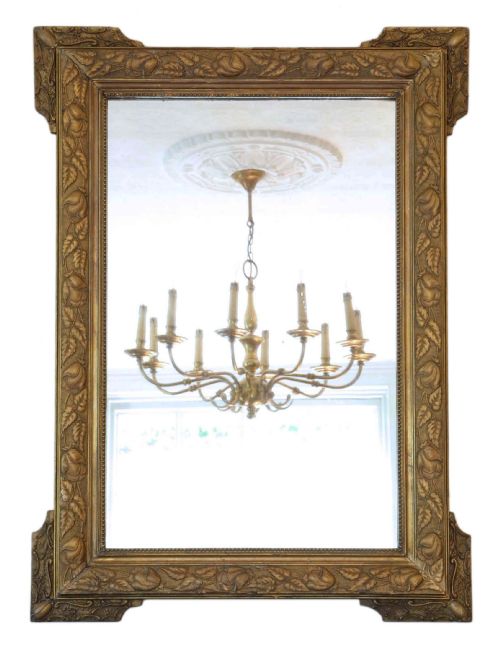

Foliate Gilt Mirror
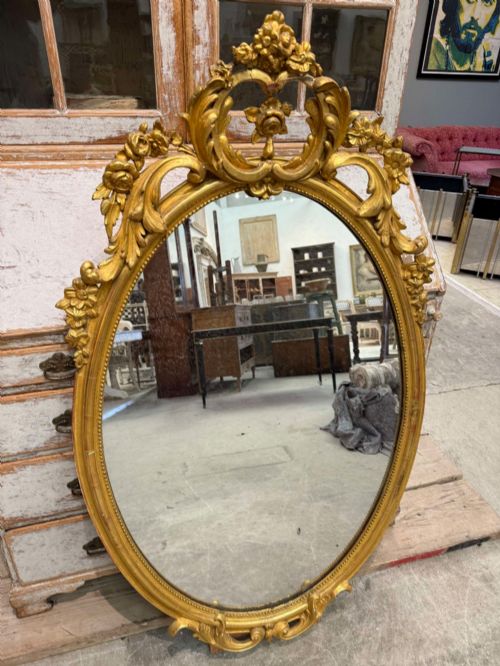
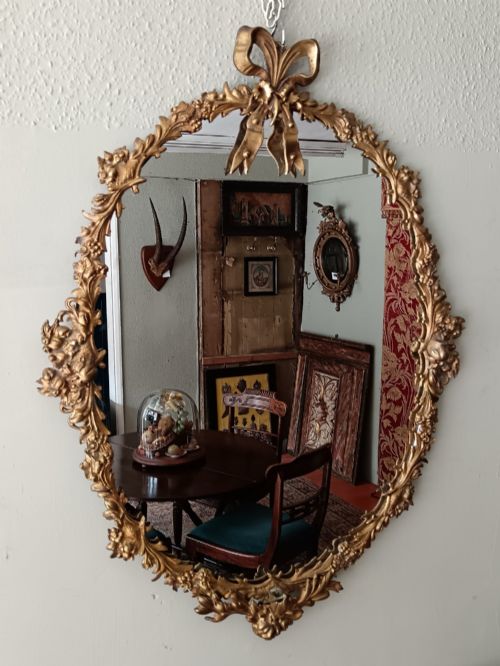
These foliate gilt mirrors bring leaf and tendril carving together with bright metallic surfaces to lighten any wall they hang upon.
Foliate Gilt Mirror
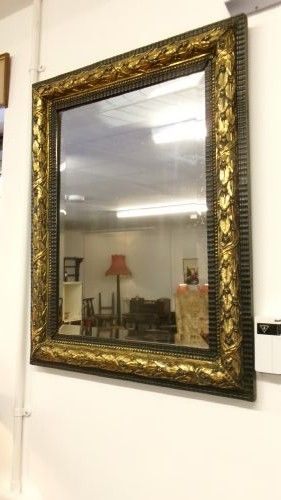
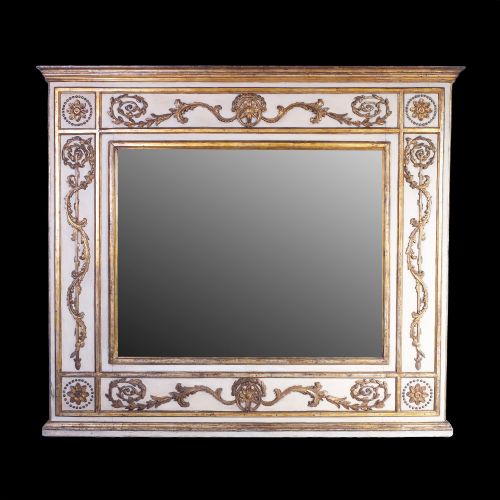
A foliate gilt mirror combines gilded wood, gesso, or bronze with leaf and plant motifs, creating an ornate frame that draws the eye. When searching for a foliate gilt mirror, buyers encounter wall mirrors, overmantel mirrors, and picture frames spanning several centuries from the seventeenth to the twentieth.
The pieces appearing here lean heavily into Victorian manufacture alongside French Louis XVI Revival and George I style pieces. Collectors find both rectangular formats and arched top designs, often shaped with detailed cresting or oval frames.
Origins range across English, French, Venetian, and Italian workshops. The most frequent form met on this page is the nineteenth century wall or overmantel mirror finished in giltwood.
Materials and construction methods
Makers shaped timber, gesso, and painted wood to form the core structure before applying fine layers of gold leaf or gilt bronze. Giltwood and gesso allowed craftsmen to carve intricate leaf patterns and cresting with sharp definition.
Additional hardware such as brass mounts or painted wooden panels appear alongside traditional mirror glass. French and English pieces utilised different timber bases, relying on skilled joining to support heavy glass plates.
Foliate Gilt Mirror Retail Price Guide 2026
Typical asking prices for foliate gilt mirror among the pieces listed under this phrase on Sellingantiques today, from the lower quarter to the upper quarter. They describe what is for sale here now, not the wider market.
Listings feature items spanning the 17th, 18th, 19th, and 20th centuries, utilising materials such as giltwood, gesso, brass, and gilt bronze.
Judging the quality of gilding and carving
Quality rests in the crispness of the foliate carving and the depth of the gilding. Hand-carved wooden cresting and detailed gesso work show sharper definition than moulded substitutes.
The integration of the mirror glass with the frame indicates workshop standard, particularly in larger overmantel pieces. Preservation of the original gilt surface across complex leaf motifs distinguishes superior examples from later repainted surfaces.
The Foliate Gilt Mirror Glossary
- Foliate
- Ornamentation employing leaf and plant motifs. This style defines the carved crests and frames seen on these mirrors.
- Giltwood
- Timber coated with gold leaf or gold dust. It provides a warm, reflective surface for ornate frames.
- Gesso
- A plaster mixture applied to wood surfaces as a base for gilding. It allows carvers to achieve smooth contours and sharp details.
- Overmantel
- A large mirror designed to hang above a fireplace mantel. These pieces frequently feature arched tops to fit architectural spaces.
- Cresting
- The decorative upper portion of a mirror frame. Foliate mirrors often use this area to display prominent leaf carvings.
Foliate Gilt Mirror: Frequently Asked Questions
Where should I hang an overmantel mirror?
These large mirrors sit naturally above a fireplace mantel to reflect light and anchor the room's proportions.
Ensure the wall fixings match the weight of the timber and glass structure.
How do I clean a giltwood frame?
Dust the carved foliate surfaces gently with a soft, dry brush to protect the delicate gold leaf.
Avoid liquid cleaners and moisture, which can damage aged gesso and gilding.
What defines Louis XVI Revival style?
This nineteenth century style draws on classical symmetry, straight lines, and refined plant ornamentation.
Frames often incorporate bronze mounts alongside traditional giltwood.
How can I tell the age of the mirror glass?
Older glass plates display subtle imperfections, minor foxing, or handmade distortion within the reflection.
Inspect the back of the frame to see how the mirror plate is secured.