




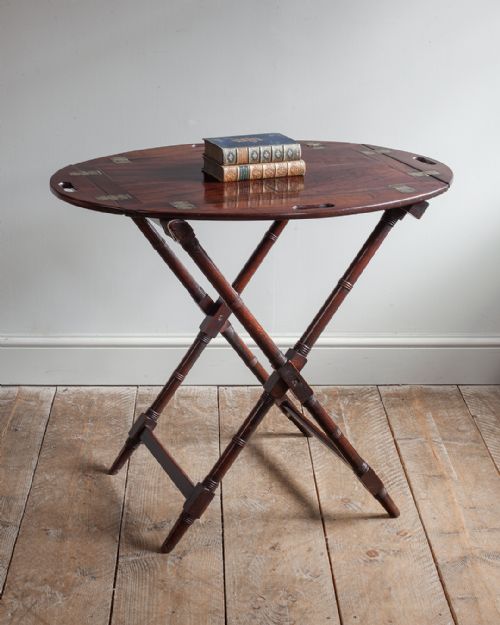
Folding Wood Stand
A folding wood stand offers versatile portability, bringing practical antique design and collapsible utility to any room.
Folding Wood Stand
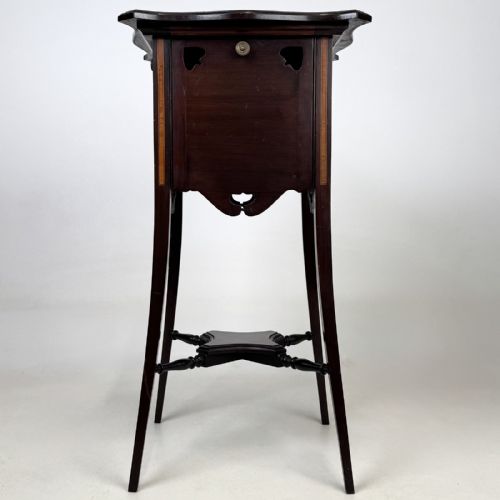
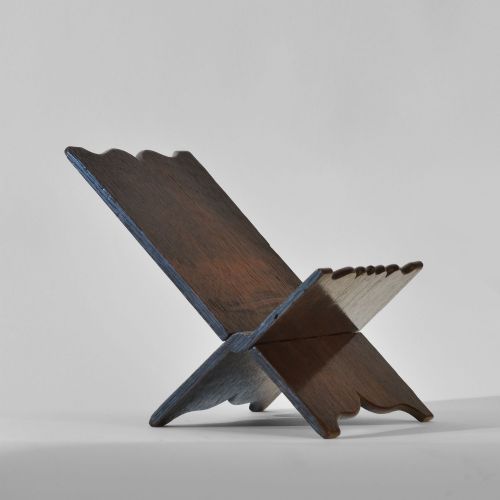
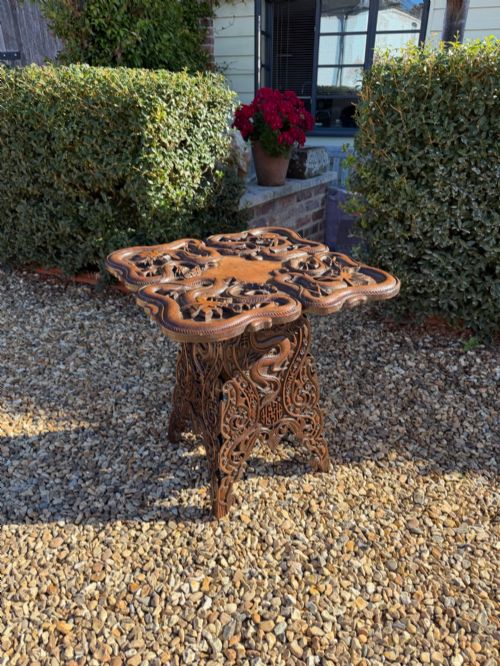
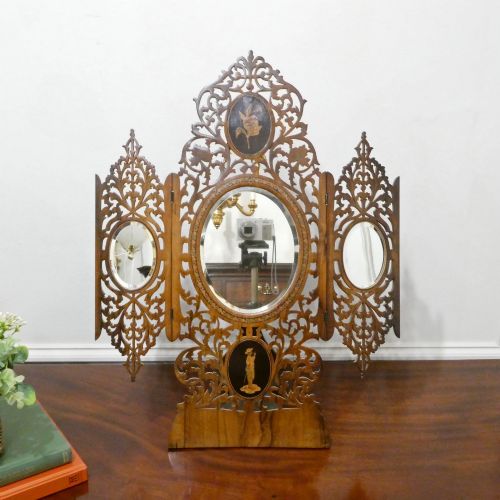
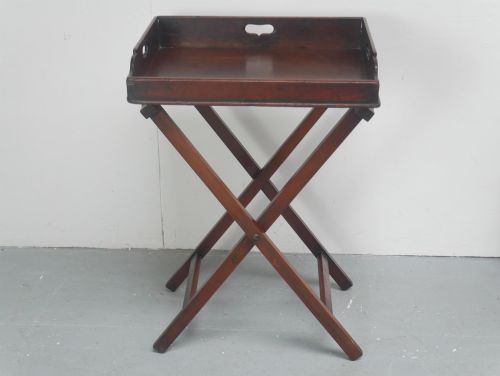
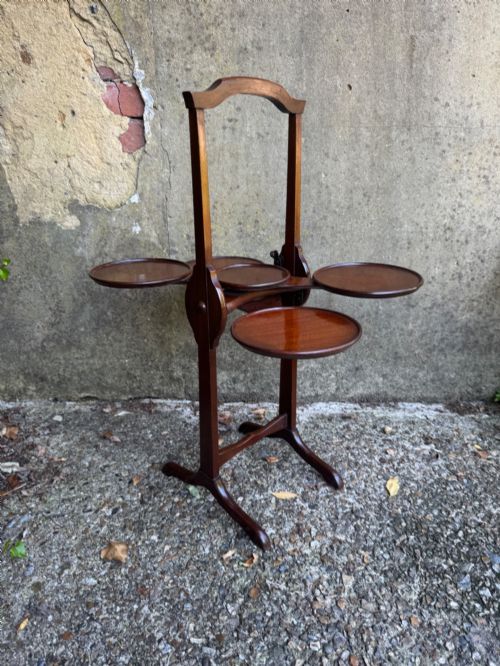
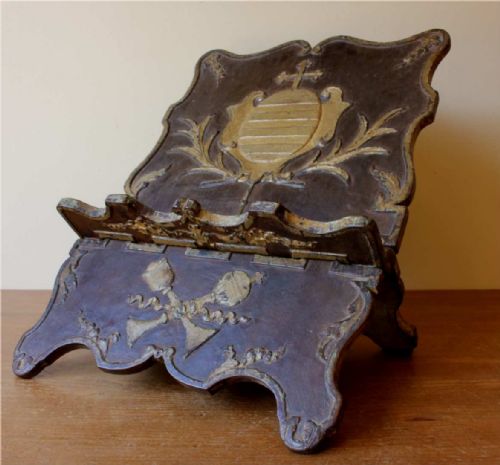
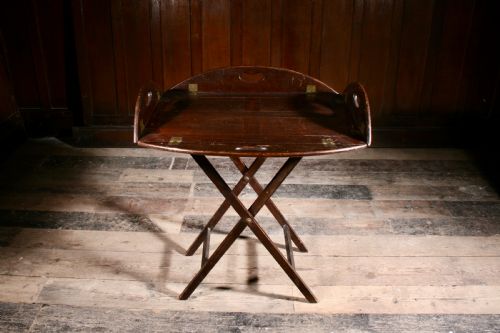
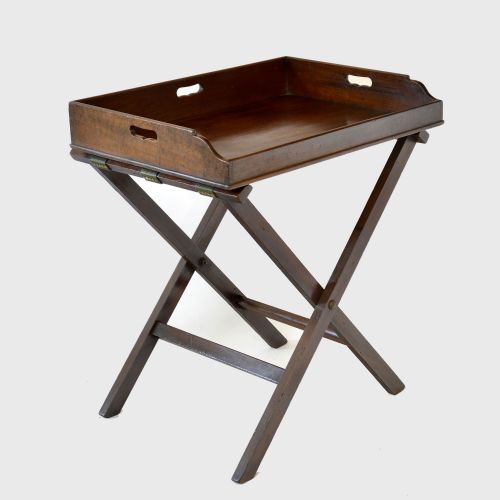
A folding wood stand serves diverse practical functions, appearing as butler trays, cake stands, book slides, and washstands across the selection. These pieces date primarily from the eighteenth century through the early twentieth century, spanning Georgian, Victorian, and Edwardian eras.
The materials utilised range from native British hardwoods like mahogany, walnut, and oak to exotic timbers such as teak, rosewood, and padauk. Many pieces incorporate folding or collapsible mechanisms designed for easy storage or transport.
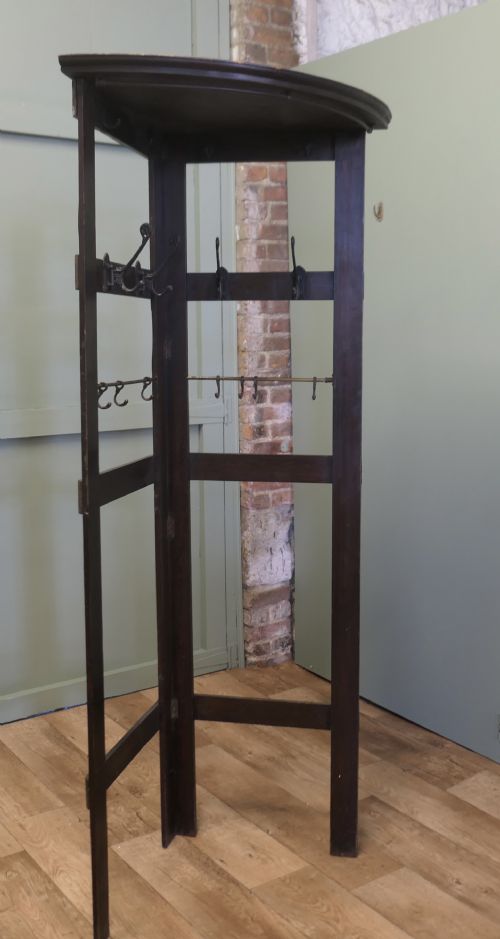
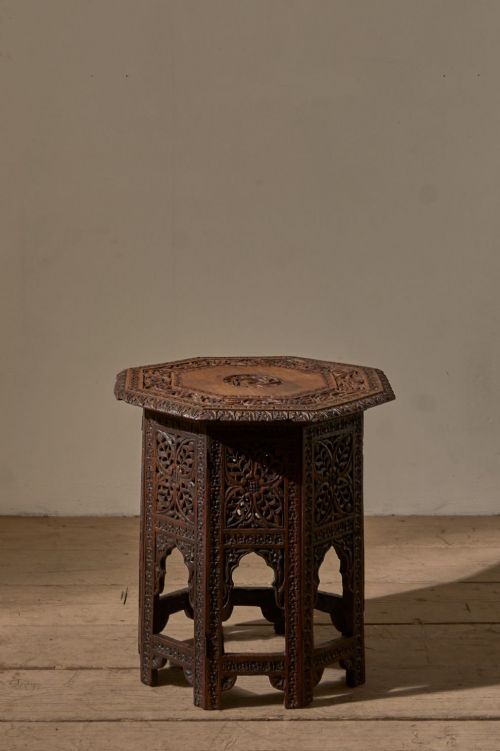
Buyers will encounter campaign furniture, Anglo-Indian occasional tables, and tiered serving pieces that reflect both domestic utility and colonial trade. The forms vary from simple book rests to elaborate carved tables with brass inlay.
Materials and construction methods
Cabinetmakers constructed these stands using dense hardwoods such as mahogany, walnut, and teak, which provided the structural strength required for folding joints and load-bearing trays. Joinery relied on traditional techniques that allowed hinges, pivots, and cross-frames to operate smoothly without compromising stability.
Decoration often involved intricate hand-carving, brass inlay, or contrasting wood veneers, particularly visible in Anglo-Indian and Middle Eastern examples. Surfaces were finished to highlight the natural grain of olive wood, rosewood, or oak while protecting the timber from daily use.
Folding Wood Stand Retail Price Guide 2026
Typical asking prices for folding wood stand among the pieces listed under this phrase on Sellingantiques today, from the lower quarter to the upper quarter. They describe what is for sale here now, not the wider market.
Several pieces double as portable wardrobes and shoe pull jacks, proving that Victorians packed for trips with serious logistical ambition.
Judging quality and craftsmanship
Quality rests in the precision of the folding mechanism and the rigidity of the piece when fully assembled. Superior examples maintain tight, flush joints and smooth articulation without excessive play in the hinges or cross-frames.
The selection of timber and the fineness of decorative work distinguish finer pieces from utilitarian items. Crisp hand-carving, well-fitted brass hardware, and well-figured mahogany or rosewood indicate a higher standard of manufacture.
The Folding Wood Stand Glossary
- Butler tray
- A portable wooden tray with hinged or removable sides, traditionally used for serving and placed upon a separate folding stand when in use.
- Campaign furniture
- Portable furnishings designed for military officers or travel, characterised by folding frames, collapsible components, and robust construction.
- Book slide
- An adjustable rack with extending sections used to hold volumes upright on a desk or table, often featuring decorative wood or inlaid details.
- Dumb waiter
- A tiered stand with revolving or stationary shelves used for serving food and beverages without the immediate presence of servants.
Folding Wood Stand: Frequently Asked Questions
What is a folding wood stand used for?
These stands functioned historically as movable furniture for serving meals, holding books, or supporting washbowls in various rooms of the house. Their collapsible nature allowed for convenient storage when floor space was required.
Today, they serve equally well as flexible accent tables, bedside supports, or display surfaces that can be moved or stored with minimal effort.
How do I date a wooden folding stand?
Dating relies on identifying the prevailing stylistic traits, timber choices, and hardware types associated with periods like the Georgian, Victorian, or Edwardian eras. Hand-cut dovetails, specific patination, and regional carving styles often point to a particular decade or century.
Comparing the construction methods to documented pieces from the same origin helps narrow down the period of manufacture.
Are campaign stands sturdy?
Campaign stands were engineered for portability and active travel, requiring robust joints and stable folding mechanisms to withstand frequent dismantling. Their structural integrity depends on the precise alignment of cross-braces and hinges.
Well-maintained examples lock securely into position, offering daily stability comparable to fixed furniture.
How should I care for antique wood?
Preserving these surfaces involves keeping them away from direct heat sources and dramatic humidity fluctuations that can cause timber to split or warp. Regular dusting with a soft cloth maintains the finish without needing heavy polishes.
Occasional application of appropriate wax feeds the grain and protects older polish from drying out.