


Folding Table Base
A folding table base provides the structural support for versatile pieces like card tables, tea tables, and console tables across various historic periods.
Folding Table Base
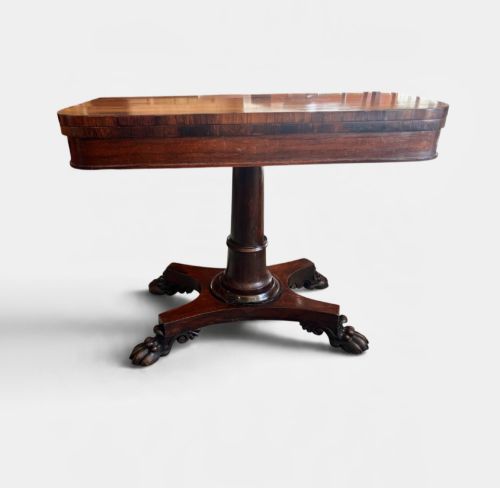
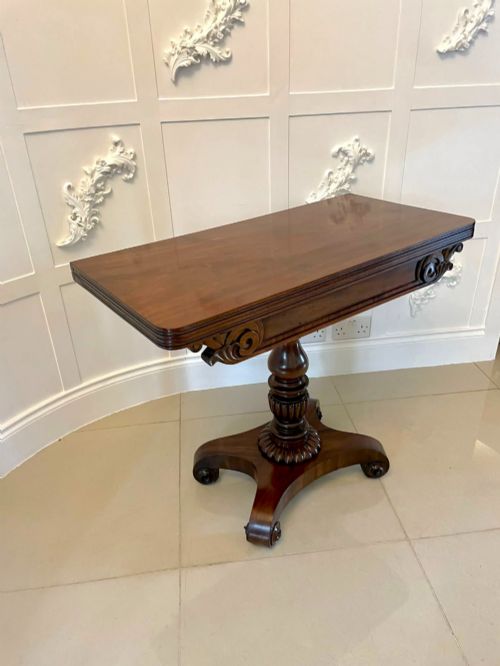
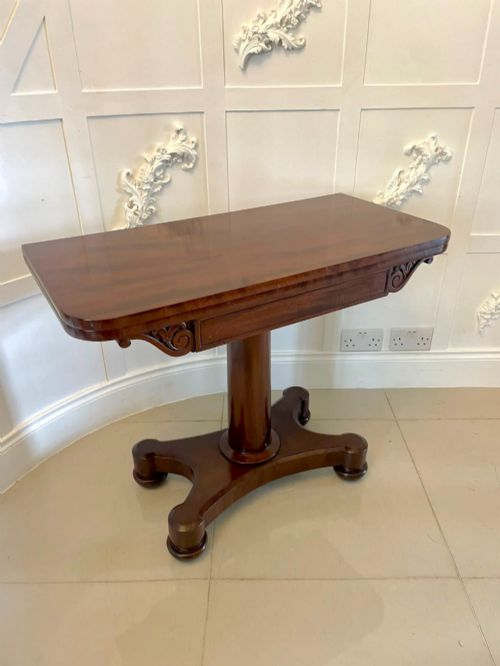
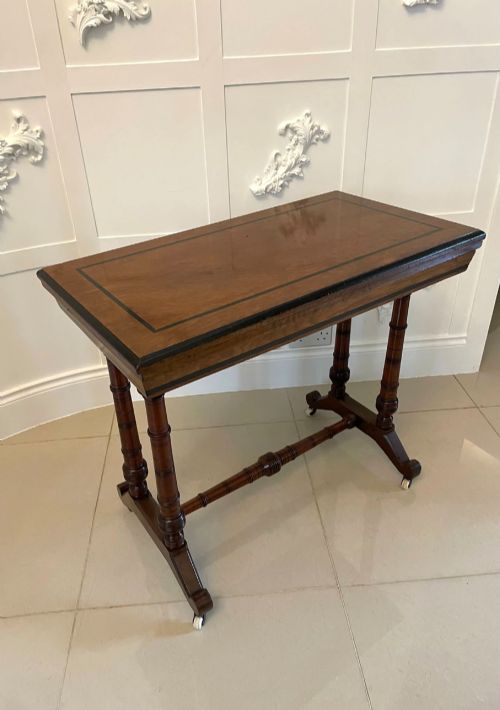
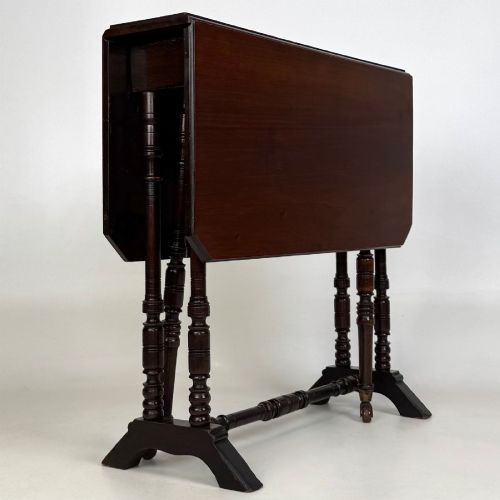
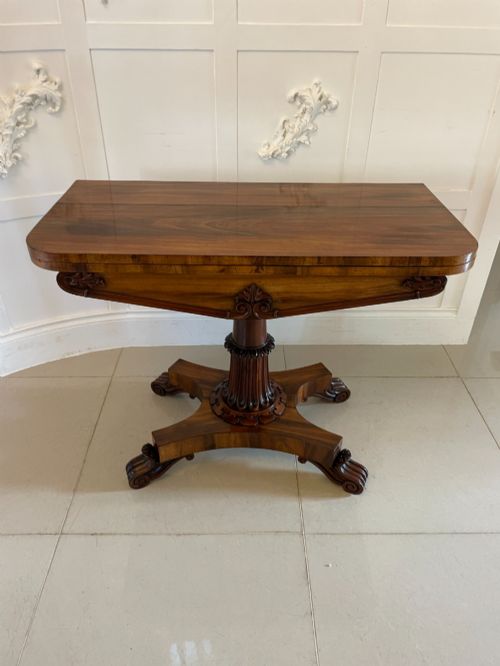
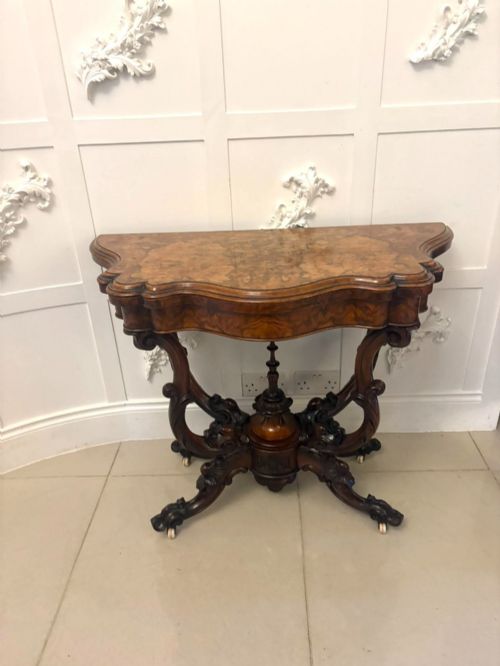
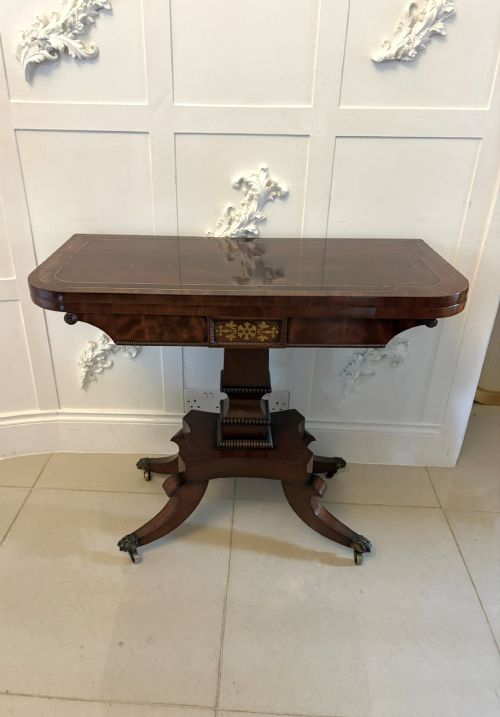
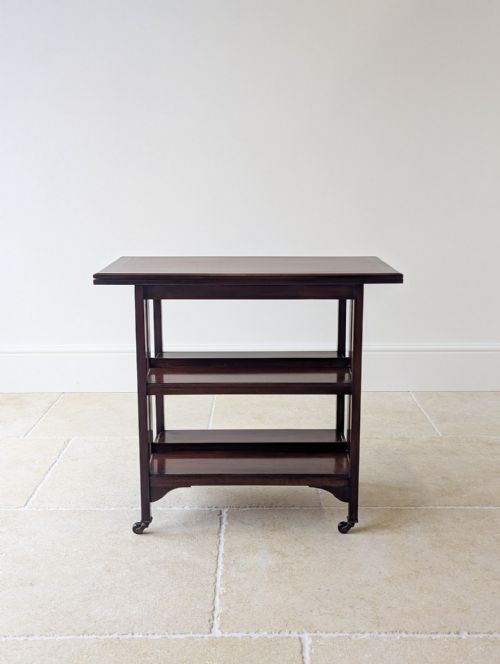
When you examine a folding table base, you encounter structural supports designed to hold top surfaces that fold over, drop down, or collapse for compact storage. These pieces appear across multiple eras, including Georgian, Regency, William IV, and Victorian periods.
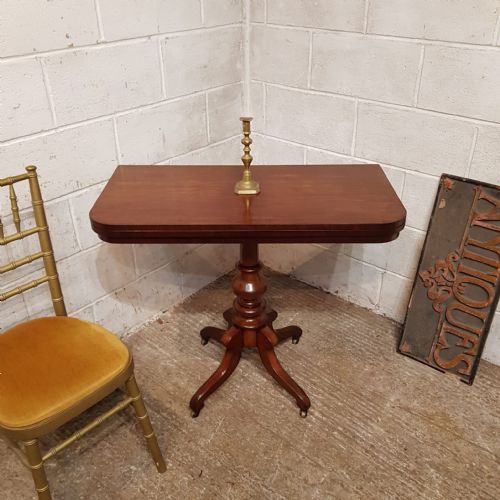
Card tables, tea tables, and console tables frequently utilise these folding mechanisms to transition from compact wall pieces to full surface setups. Mahogany and rosewood form the majority of the traditional timber structures found in these listings.
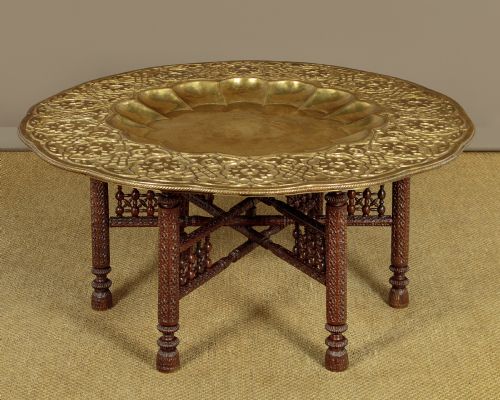
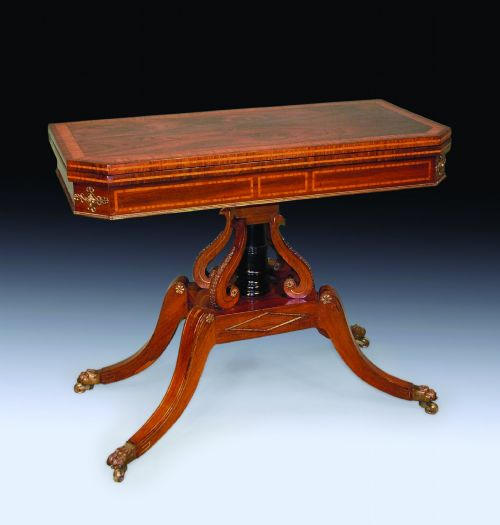
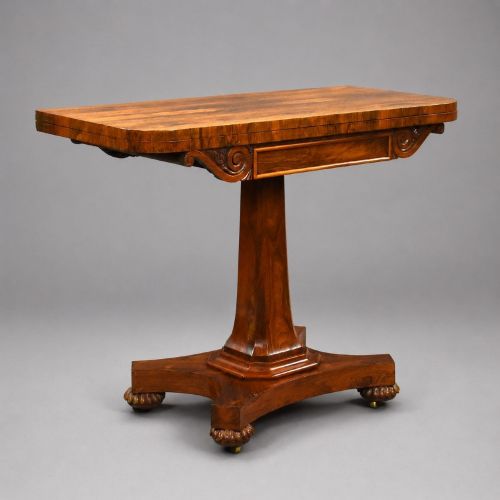
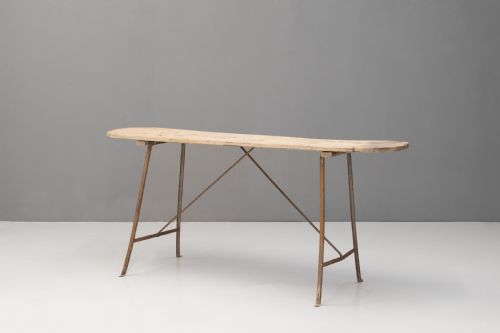
Beyond formal British dining and parlour furniture, the selections include Indian brass tray tables, French vigneron wine tasting tables, and trestle work tables. The predominant forms integrate swivel tops, scroll pedestals, lyre supports, and carved basket bases to sustain the folding leaves.
How they were made
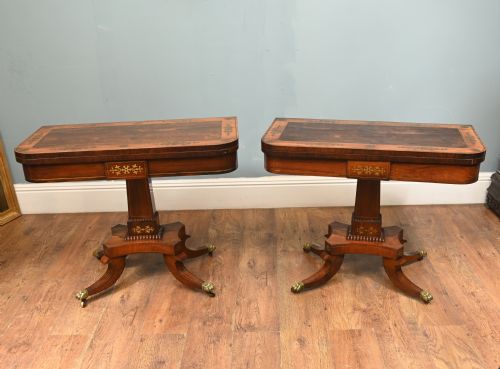
Cabinet makers built these supports using dense hardwoods such as mahogany, rosewood, walnut, and burr walnut, alongside secondary timbers like oak and pine. Brass inlay and satinwood banding frequently decorate the structural components of Regency and Victorian examples.
Construction techniques involve complex pivot joints, swivel actions, and pedestal pillars that distribute weight when the top leaf folds open. Carved dolphins, scroll pedestals, and trestle frames provide both aesthetic weight and mechanical stability for the hinged surfaces.
Folding Table Base Retail Price Guide 2026
Typical asking prices for folding table base among the pieces listed under this phrase on Sellingantiques today, from the lower quarter to the upper quarter. They describe what is for sale here now, not the wider market.
Object types span card tables, tea tables, console tables, and occasional folding wine tasting tables.
What varies in quality
The refinement of the carving on the pedestal or base distinguishes standard production from exceptional pieces, particularly in Victorian walnut and rosewood models. Crisp execution in brass inlay and the selection of figured veneers indicate superior craftsmanship.
Mechanical stability during the folding action dictates the structural integrity of the piece. Well-fitted hinges, smooth swivel mechanisms, and solid joints without excessive play separate robust examples from simpler utilitarian tables.
William Trotter
The Folding Table Base Glossary
- Card table
- A hinged folding table designed for gaming, featuring a baize-lined interior surface when opened.
- Console table
- A table designed to stand against a wall, frequently incorporating a folding top to double its surface area.
- Scroll pedestal
- A curved structural support column rising from the base to bear the weight of the table top.
- Lyre support
- A vertical base support shaped in the stylized form of a musical lyre, common in Regency designs.
- Marquetry
- Decorative inlay work using various woods to create pictorial or geometric patterns on the table surface.
Folding Table Base: Frequently Asked Questions
What is a folding table base used for?
These bases support tables designed to save space by folding, dropping, or swinging open when needed.
They appear on card tables, tea tables, and console tables that expand for social use.
How do you identify a Regency folding table?
Regency examples frequently feature rosewood timber, brass inlay, and scroll pedestal or lyre support bases.
Cabinet makers of this era focused on classical proportions and contrasting wood grains.
Where were these tables placed historically?
They stood against parlour or drawing room walls when closed to maximise living space.
Owners moved them into the centre of the room when guests arrived for cards or tea.
What woods are common in these bases?
Mahogany and rosewood dominate the traditional British pieces from the Georgian and Victorian eras.
Walnut, burr walnut, oak, and pine also appear across various styles and European origins.