


Folding Oak Tray Table
A folding oak tray table offers portable surface utility, combining a removable serving tray with a collapsible stand.
Folding Oak Tray Table
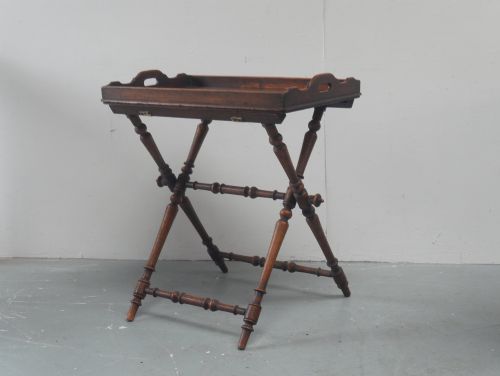
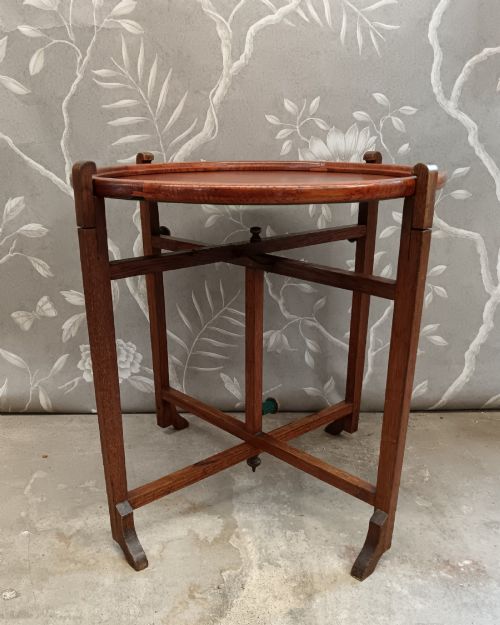
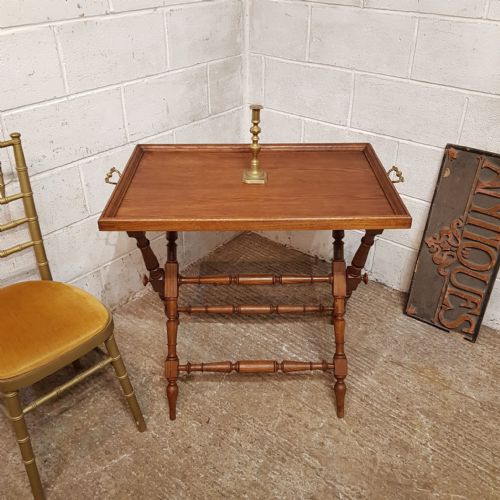
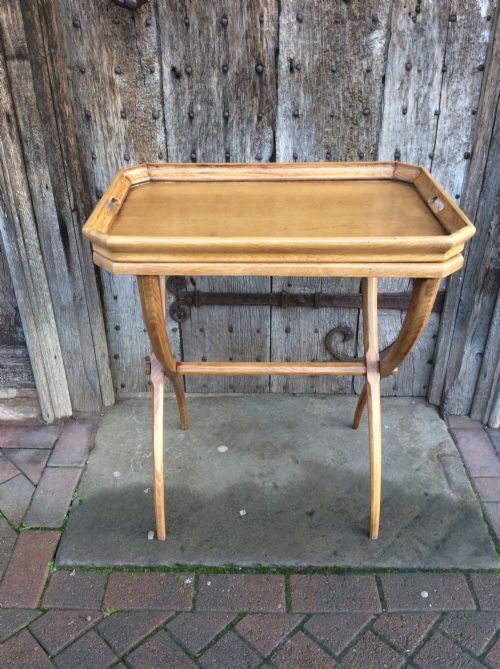
A folding oak tray table combines a removable serving surface with a collapsible wooden stand, creating a versatile piece of furniture suited for multiple rooms. Buyers searching for a folding oak tray table will encounter various forms, including traditional butlers trays, occasional tables, and coffee tables originating from the nineteenth and early twentieth centuries.
The pieces appearing on this page span several distinct periods, notably the Victorian era, Edwardian period, and the 1930s. Styles range from plain English country pieces and campaign furniture to more ornate Gothic Revival designs and French provincial interpretations.
Most examples utilise oak as the primary timber, sometimes paired with beech or other hardwoods, and frequently feature X-frame or scissor-action folding stands. These items served practical domestic functions historically, transitioning from butler service in grand houses to everyday occasional use in modern homes.
Materials and construction
Makers relied primarily on solid oak and diverse hardwoods for both the tray bodies and the folding stands, often incorporating brass hinges, handles, or corner brackets to reinforce joints and assist with portability. Some specialised pieces integrate secondary materials such as copper insets or baize surfaces to enhance durability and function.
Construction techniques focused on portability and stability, utilising folding mechanisms like X-frames that allowed the entire unit to collapse flat when not in use. Cabinetmakers employed solid timber construction, hand-carved detailing, and secure raised edges on trays to prevent items from sliding during transit.
One recorded tray table even carries provenance linking it directly to Bäckaskog Castle.
Assessing quality
The caliber of a folding oak tray table depends heavily on the selection of timber and the precision of the joinery within the folding mechanism. Superior examples display tight, robust joints that operate smoothly without excessive wobble when fully assembled.
Hand-carved details, quality brass hardware, and the integration of original stands rather than later replacements elevate certain pieces. The overall crispness of the carving and the depth of the grain in the solid oak distinguish finer workshop production from simpler utilitarian items.
C. Sterley·Osterley
The Folding Oak Tray Table Glossary
- Butler tray
- A portable wooden tray with raised sides, often featuring cutout handles, designed to sit upon a separate folding stand. It allowed household staff to transport refreshments easily between rooms.
- Campaign furniture
- Modular or folding furniture designed for easy transport by military officers during the nineteenth century. These pieces prioritize durability and compact folding mechanisms.
- Revertable table
- A dual-purpose table featuring a top that reverses or flips to reveal a different surface, such as a baize-lined card table on one side and a coffee or serving surface on the other.
- X-frame stand
- A collapsible furniture base formed by two intersecting wooden members pivoting in the middle like a scissor. This design allows the stand to fold flat for storage.
- Gothic Revival
- A nineteenth-century design style drawing inspiration from medieval architecture and ornamentation. Pieces in this style often feature pointed arches, tracery, and heavy carved motifs.
Folding Oak Tray Table: Frequently Asked Questions
What is a folding oak tray table used for?
These versatile pieces function primarily as movable serving trays, coffee tables, or occasional side tables in living spaces. Their removable tops and collapsible stands allow for easy rearrangement and compact storage.
Historically employed for domestic service, they now suit contemporary homes needing flexible furniture that adapts quickly to different seating arrangements.
How do I date an antique folding table?
Dating relies on examining the construction methods, hardware materials, and stylistic cues present in the woodwork and brass components. Victorian and Edwardian examples often feature specific decorative carvings or turnings characteristic of their decades.
Comparing the timber grain, patination, and the style of any hinges or handles against documented examples helps narrow down the period of manufacture.
Are the trays removable from the stands?
Most traditional tray tables feature a completely separate tray that lifts off the folding stand without mechanical fixings. This design originated to let servants carry the tray independently before placing it back onto the support frame.
Some variations or later coffee table hybrids incorporate subtle retaining ledges or clips to keep the tray secure during use.
How do I care for antique oak furniture?
Maintain antique oak surfaces by dusting regularly with a soft, dry cloth and avoiding harsh chemical cleaning products that strip the natural wax or polish. Keep the timber away from direct heat sources and strong sunlight to prevent warping or splitting.
Periodically applying a quality beeswax polish helps nourish the hardwood and preserves the historic patination accumulated over generations of use.