





Fluted Silver Container
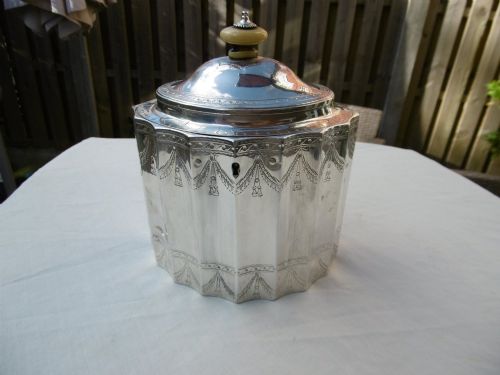
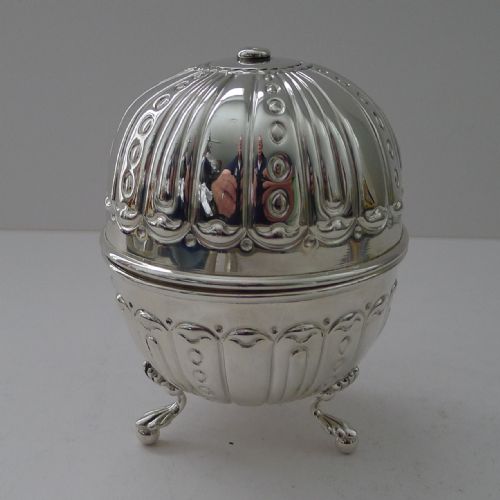
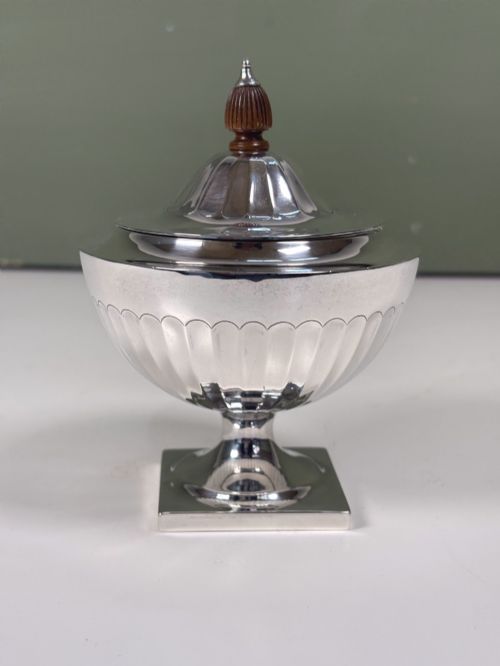
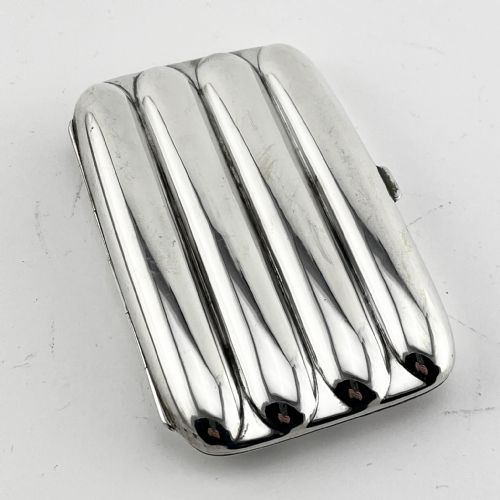
These fluted silver container pieces range from Georgian tea caddies to Victorian boxes, offering substantial weight and period craftsmanship.
Fluted Silver Container
When you search for a fluted silver container, you encounter items designed for practical domestic and personal use across several centuries. The selection on this page centres primarily upon tea caddies, desk accessories, and trinket boxes.
The objects span multiple eras, including Georgian, Victorian, and Edwardian periods. Tea caddies and string boxes dominate the forms, reflecting the historical importance of tea and stationery in British households.
How they were made
Silversmiths utilised sterling silver and solid silver, occasionally combining the metal with bone, wood, or ebonised wood for handles, interiors, or structural support. The fluting itself required precise hammering and shaping to create uniform vertical channels around the body of the vessel.
Maker workshops applied Neoclassical and traditional stylistic elements through embossing, chasing, and engraving. Quality pieces display crisp lines in the fluting and secure hinges or lids fitting tightly to the main body.
Fluted Silver Container Retail Price Guide 2026
Typical asking prices for fluted silver container among the pieces listed under this phrase on Sellingantiques today, from the lower quarter to the upper quarter. They describe what is for sale here now, not the wider market.
What varies in quality
The thickness and weight of the silver distinguish standard domestic items from superior examples. Heavier gauges provide a more substantial feel in the hand and resist denting during daily use.
Execution of the fluting and decorative detail dictates visual merit. Crisp, sharply defined channels and balanced proportions separate master silversmith work from routine production.
Robert Hennell·Mappin and Webb·Asprey·Goldsmiths and Silversmiths Co
The Fluted Silver Container Glossary
- Sterling silver
- A silver alloy containing 92.5 percent pure silver and 7.5 percent other metals, usually copper, ensuring durability for tableware and decorative objects. This standard has governed British silver production for centuries.
- Tea caddy
- A small box or container originally manufactured to store tea leaves safely away from light and moisture. Wealthy households locked these vessels to protect a valuable commodity.
- Vesta case
- A small pocket container designed to hold matches and keep them dry. They often feature spring-loaded lids and striking surfaces on the base.
- Ebonised wood
- Timber treated with a dark stain or finish to imitate ebony. Silversmiths used this material for accents, finials, or bases on metal containers.
- Neoclassical
- A decorative style drawing inspiration from classical antiquity, featuring symmetrical forms and restrained ornamentation. This aesthetic frequently appears on Georgian silver pieces.
Fluted Silver Container: Frequently Asked Questions
What is a silver tea caddy?
A tea caddy is a specialised container built to store loose tea leaves. In earlier centuries, tea was an expensive import that required secure storage.
These vessels often include fitted lids and decorative fluting. They functioned as both practical kitchenware and display items in wealthy homes.
What are desk accessories used for?
Desk accessories such as string boxes and trinket boxes kept workspaces organised and tidy. Twine or string was fed through a small aperture to keep the cord from tangling.
These functional items allowed wealthy Victorians and Edwardians to incorporate precious metals into their daily administrative routines.
How should I clean silver containers?
Clean silver containers gently using a specialist silver cloth or mild polish designed for precious metals. Avoid harsh abrasive cleaners that can wear down hallmarks or fine engraving.
Regular, careful maintenance preserves the natural lustre and protects any wooden or bone components.