



Fluted Display Plinth
A fluted display plinth lifts a treasured object to eye level, bringing architectural presence and dignity to any corner of a room.
Fluted Display Plinth
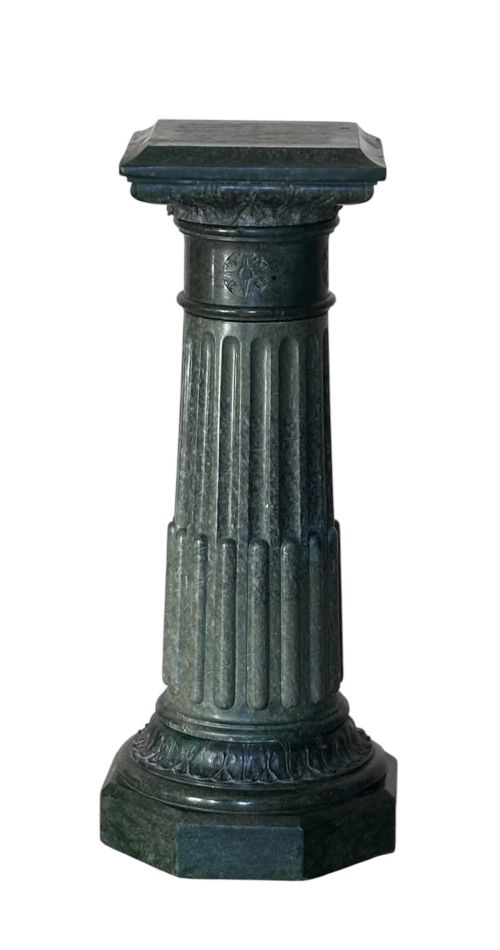
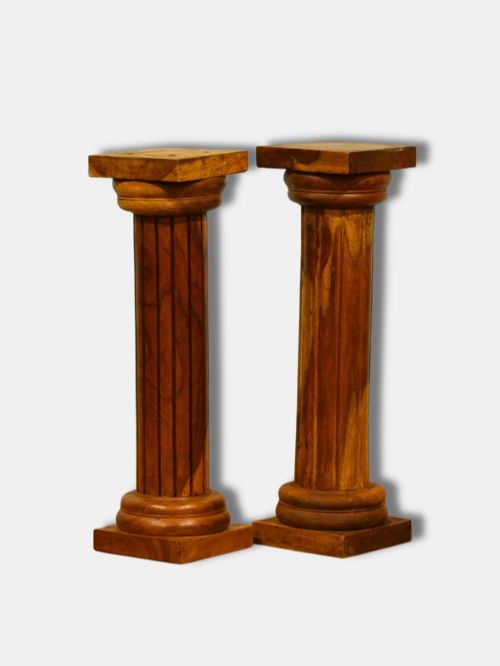
A fluted display plinth takes the form of a tall column, pillar, or pedestal stand designed to support urns, sculptures, or decorative items. The pieces found here span the Victorian era, the nineteenth century, and nineteen hundred, drawing on Georgian, Neoclassical, and architectural salvage traditions.
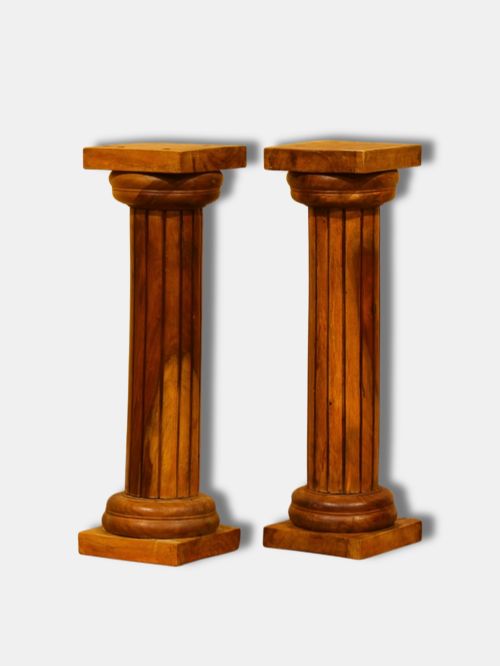
Most examples function as single display stands or matched pairs, elevating objects within a room through vertical emphasis. The structural forms range from turned wooden columns and carved pedestals to solid marble and stone shafts.
Materials and construction
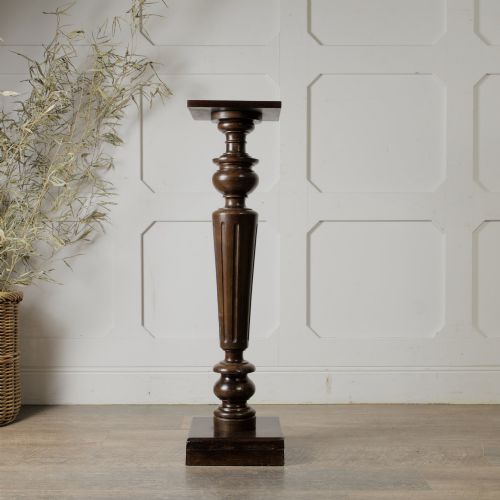
The construction of these stands relies heavily on dense timbers such as mahogany, satinwood, beech, and general carved wood, often shaped on a lathe or finished with gesso, gold leaf, and paint. Artisans carved vertical flutes into the shaft to catch the light and create shadow lines along the height of the column.
Stone variants employ heavy mineral resources, including vert de patricia marble, serpentine marble, and red stone, requiring specialist masonry and carving techniques. Gilt metal mounts frequently accent the timber or stone columns, adding contrasting sheen to the matte surfaces of the stone and wood.
Fluted Display Plinth Retail Price Guide 2026
Typical asking prices for fluted display plinth among the pieces listed under this phrase on Sellingantiques today, from the lower quarter to the upper quarter. They describe what is for sale here now, not the wider market.
At least one nineteenth-century pedestal conceals a secret compartment within its fluted wooden frame.
The markers of distinction
Quality rests upon the selection of materials and the precision of the carving. Dense timber such as solid mahogany or richly figured satinwood holds crisp, clean fluting better than softer woods that require gesso and paint to mask softer grain.
The architectural integrity of the column dictates its architectural success. Well-proportioned capitals, balanced turned shafts, and genuine stone varieties such as serpentine or vert de patricia marble elevate an object far beyond standard utility stands.
The Fluted Display Plinth Glossary
- Fluting
- Vertical parallel grooves carved into the shaft of a column or pedestal. This decorative technique creates rhythm and linear shadow along the height of the wood or stone.
- Capital
- The uppermost member of a column that serves as a crown above the fluted shaft. It provides a stable transition between the vertical support and the flat top surface.
- Pedestal
- A structural support or base for a statue, vase, or column. These freestanding vertical stands lift display items clear of the floor.
- Serpentine marble
- A decorative green stone characterised by mottled patterns resembling snakeskin. It provides a dense, polished surface for nineteenth-century columns.
- Gesso
- A plaster-like mixture applied to wood surfaces as a base for gilding or painting. It allows artisans to shape sharp decorative details before applying gold leaf.
Fluted Display Plinth: Frequently Asked Questions
What holds a fluted display plinth steady?
The stability of a column comes from a wide base and a heavy core material, such as solid mahogany or solid stone.
Heavier materials naturally anchor the tall vertical form against accidental knocks.
How were these columns used originally?
These tall stands were placed in grand hallways, libraries, and drawing rooms to display bronze figures, marble busts, or decorative urns.
They lifted focal points to eye level to command attention within the room.
Can I place plants on a wooden pedestal?
Solid wood and painted stands accommodate decorative plants provided moisture is managed carefully.
Using a protective saucer prevents water rings from damaging the polished timber or painted gesso surface.
How do I identify a nineteenth-century marble column?
Nineteenth-century stone columns feature hand-carved shafts in materials like serpentine or vert de patricia marble.
Their weight, natural mineral variations, and traditional joinery confirm the period of origin.