




Fluted Display Columns
These fluted display columns elevate sculpture and pottery, bringing architectural rhythm to rooms through classical form.
Fluted Display Columns
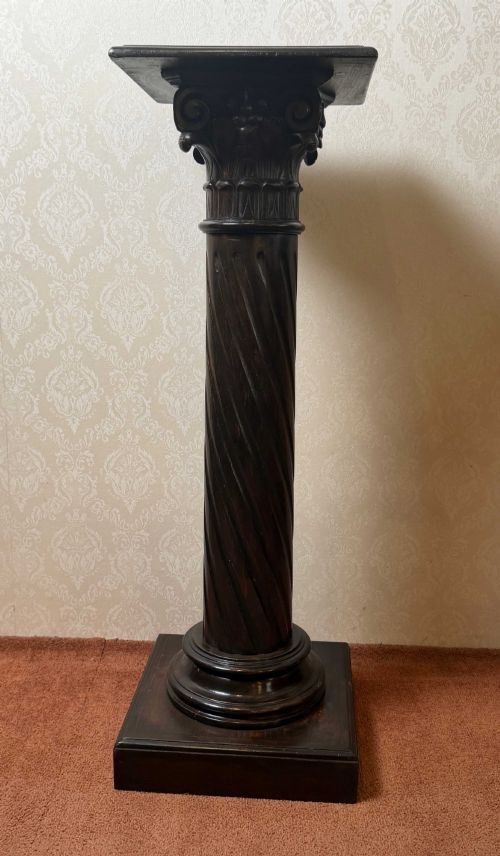
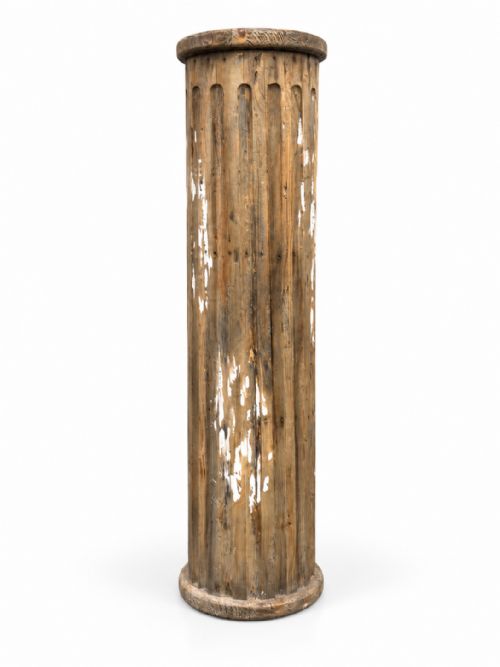
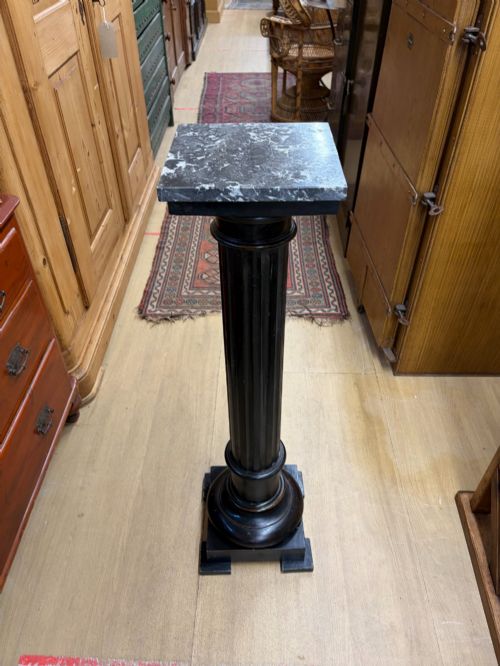
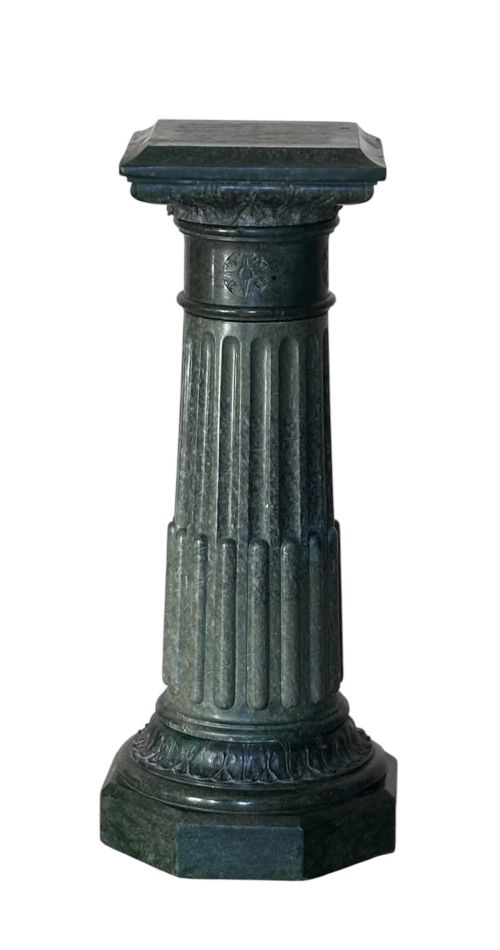
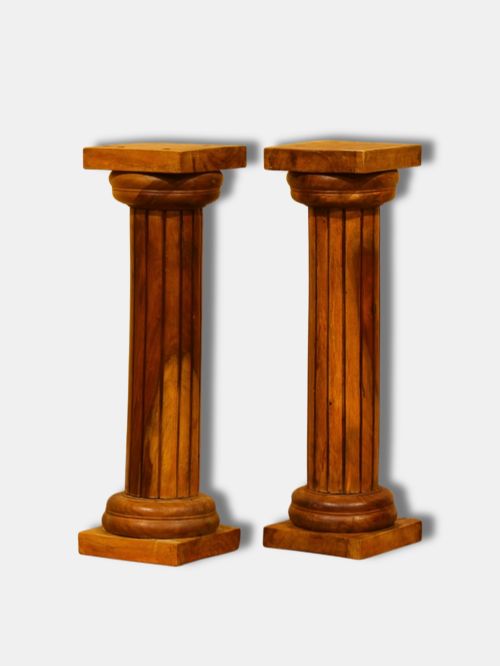
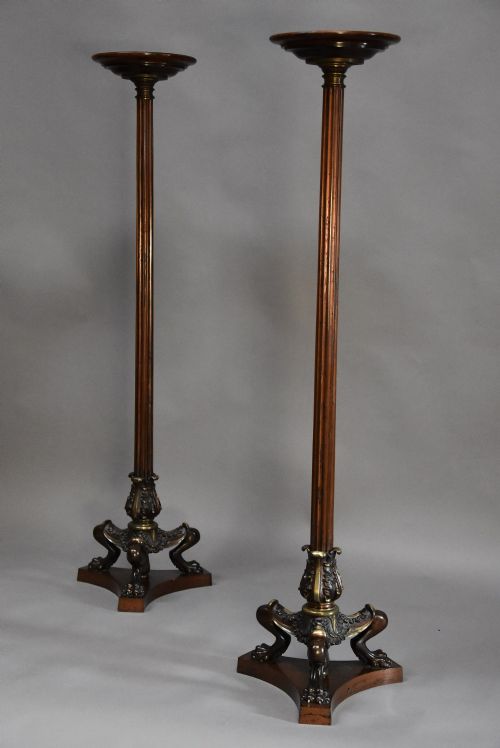
When searching for fluted display columns, buyers encounter architectural supports and decorative stands designed to elevate objects in domestic interiors. These pieces take the form of tall columns, pedestals, and torcheres originating from the nineteenth and early twentieth centuries.
The selections span Victorian, Edwardian, and Neoclassical revival styles, reflecting diverse aesthetic periods from the 1850s onward. Most examples serve as functional display platforms for lamps, urns, or botanical arrangements within a room.
Makers utilised various regional timbers and stone to construct these supports, incorporating classical design elements such as vertical fluting. Such items range from plain wooden shafts to elaborate marble and gilt creations.
Materials and construction
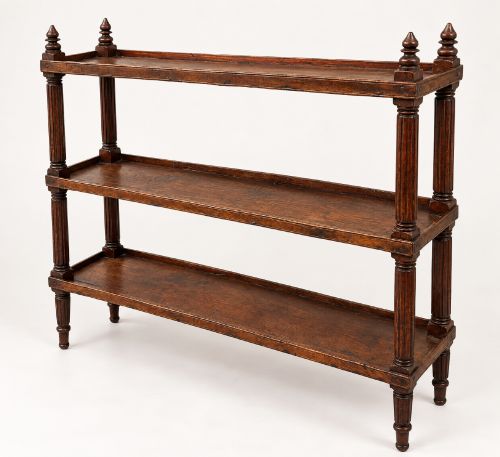
Cabinet makers and stone masons shaped these supports using dense hardwoods like mahogany, satinwood, and walnut alongside stones such as marble. Craftsmen turned timber on lathes to create precise cylindrical columns and carved decorative capitals to echo classical architecture.
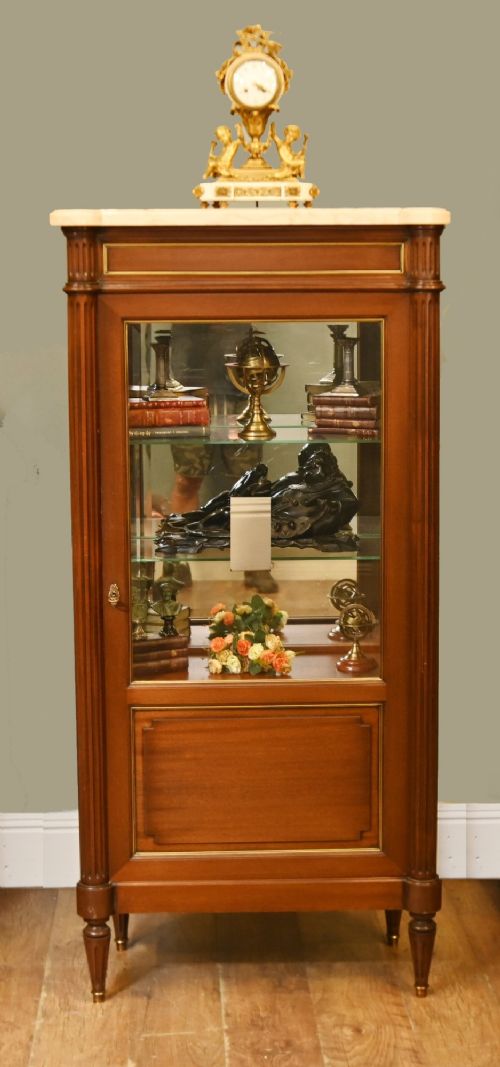
Many examples incorporate brass mounts, gilt metal, or bronze details fixed to the timber shafts and stone bases. Selected pieces utilise softer woods beneath decorative veneers or painted finishes to achieve specific visual effects.
Fluted Display Columns Retail Price Guide 2026
Typical asking prices for fluted display columns among the pieces listed under this phrase on Sellingantiques today, from the lower quarter to the upper quarter. They describe what is for sale here now, not the wider market.
Certain nineteenth-century pedestals conceal secret compartments inside their wooden shafts for hidden storage.
Distinctions in quality
The calibre of a column rests upon the precision of the turning and the depth of the carving within the capital and fluting. Solid timber and genuine marble specimens demonstrate superior craftsmanship compared to simpler veneered or painted constructions.
Proportion and stability determine the success of a support, with heavier stone bases and well-balanced timber shafts providing better functional integrity. The choice of materials, from basic pine to figured mahogany and exotic stone, dictates the standing of the piece.
The Fluted Display Columns Glossary
- Fluting
- Vertical parallel grooves carved into the shaft of a column or pedestal. This decorative technique derives from ancient Greek and Roman architecture.
- Torchere
- A tall stand or pedestal designed specifically to hold a lamp or light source. These pieces typically feature slender proportions and raised platforms.
- Capital
- The uppermost member of a column, situated above the shaft. Carved ornamentation often decorates this section to mark the transition to the top surface.
- Pedestal
- A free-standing base or support used to elevate a bust, vase, or statue. Examples in this category range from simple wooden pillars to elaborate stone columns.
- Neoclassical revival
- A style reviving classical architectural motifs from ancient Greece and Rome during the nineteenth and early twentieth centuries. Pieces often display symmetrical forms and traditional orders.
Fluted Display Columns: Frequently Asked Questions
What are fluted display columns used for?
These supports function as elevated platforms for displaying sculptural art, large vases, table lamps, and decorative plants. They lift objects above floor level to draw the eye and create focal points within a room.
Historically, they filled corners or framing spaces in grand reception rooms and libraries, serving both decorative and practical roles in interior architecture.
How do I date a wooden column stand?
Dating relies on identifying the timber species, construction methods, and prevailing decorative style of the period. Victorian and Edwardian examples often show specific tool marks and wood selections characteristic of those decades.
Comparing the carved details and turning patterns to known historical revival styles helps narrow down the decade of manufacture.
Are marble columns stable enough for heavy items?
Stone and marble columns possess substantial weight and a low centre of gravity, making them well-suited for supporting heavy bronze figures or large stone urns. Their mass naturally anchors them to the floor.
Wooden torcheres and pedestals require careful placement to ensure stability, particularly when holding top-heavy arrangements or tall sculptures.
How do I clean antique wooden pedestals?
Maintenance involves dusting with a dry, soft cloth and occasionally applying appropriate beeswax to nourish the polished timber surface. Moisture and harsh chemical cleaners damage historic wood finishes.
Stone and marble columns tolerate gentle wiping with a damp cloth followed by thorough drying to protect the mineral surface.