

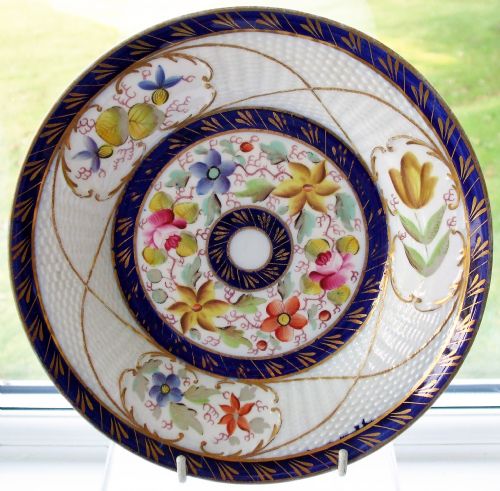


Floral Tea Plate
A floral tea plate brings delicate botanical motifs to the table, offering a glimpse into centuries of British dining habits and fine ceramic production.
Floral Tea Plate
When you search for a floral tea plate, you encounter a selection of ceramics and earthenware designed for the afternoon table across the nineteenth and early twentieth centuries. These pieces reflect domestic tea service habits from the Georgian and Victorian eras, often featuring hand-painted or transfer-printed floral details.
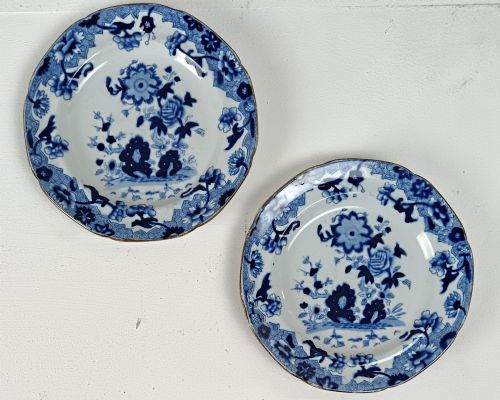
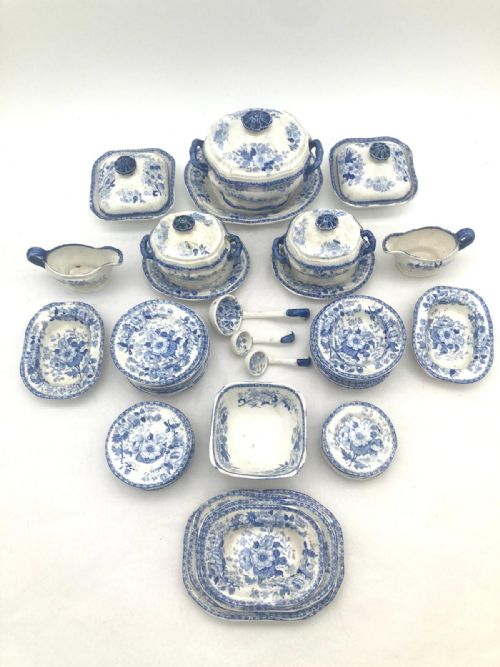
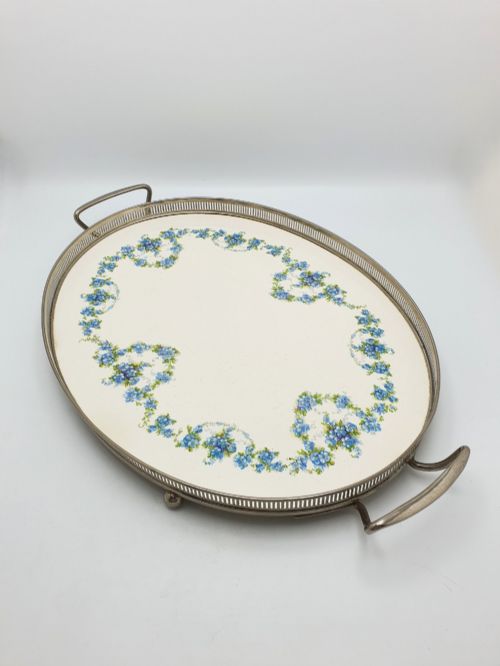
The versions most commonly met on this page include earthenware and bone china plates originating from English potteries, alongside related items such as serving trays and tea sets. Their patterns range from classic blue and white transfer designs to vibrant polychrome botanical arrangements.
Materials and Manufacture
The pieces listed on this page utilise materials such as ceramic, porcelain, earthenware, and bone china, often finished with a protective glaze. Makers employed transfer printing and hand-painting techniques to apply floral patterns onto the ceramic body.
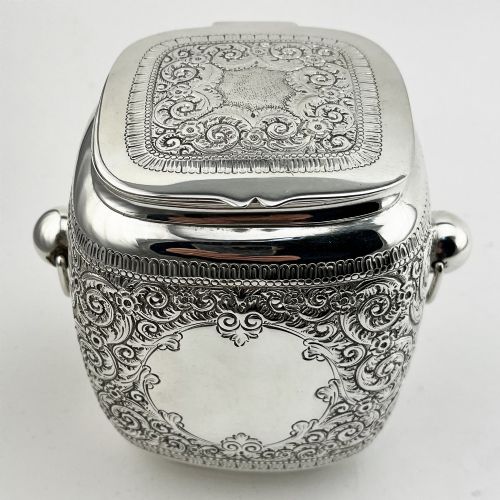
Metal elements also appear in related tea wares, incorporating silver plate, gold leaf, and Old Sheffield plate alongside ceramic bodies. These combined materials required specialised kiln firing and metalworking skills typical of nineteenth-century workshops.
Floral Tea Plate Retail Price Guide 2026
Typical asking prices for floral tea plate among the pieces listed under this phrase on Sellingantiques today, from the lower quarter to the upper quarter. They describe what is for sale here now, not the wider market.
Listings feature items from the Georgian and Victorian periods, including earthenware, porcelain, bone china, and silver plate.
Factors of Quality
Quality in these ceramics rests upon the crispness of the transfer print or the precision of the hand-painted floral centre. Finer examples display even glazing, well-balanced forms, and careful application of gold leaf or colour pigments.
The reputation of the pottery and the durability of the ceramic body further distinguish the work. Pieces from established makers maintain clearer registry in their blue and white or polychrome patterns compared to simpler commercial wares.
Martin Hall And Co·Spode·Minton·New Hall·Coalport·Carlton Ware·Wileman Foley Shelley·Davenport
The Floral Tea Plate Glossary
- Transfer printing
- A method of applying a decorative design to pottery from a copperplate engraving via paper tissue. This technique allowed for consistent replication of complex floral patterns.
- Bone china
- A type of soft-paste porcelain containing animal bone ash, producing a strong, milky-white body that permits thinner wall sections. It became a standard medium for British tea wares.
- Flow blue
- A cobalt blue transfer printing style that deliberately allowed the pigment to blur slightly into the glaze during firing. This created a soft, misty appearance popular in the late nineteenth century.
- New Stone
- A durable ceramic body developed by British potteries in the early nineteenth century to compete with imported Chinese porcelain. It combined stoneware strength with refined earthenware qualities.
- Silver plate
- A layer of silver applied to a base metal substrate, commonly utilised for tea caddies, salvers, and biscuit barrel mounts. Old Sheffield plate involved fusing a silver sheet to a copper ingot.
Floral Tea Plate: Frequently Asked Questions
What is a floral tea plate?
A floral tea plate is a small ceramic dish used during afternoon tea service, decorated with botanical or flower motifs. These items date primarily from the nineteenth and early twentieth centuries.
They were produced by various British potteries using earthenware, porcelain, or bone china, often matching larger dinner services or tea sets.
How were floral tea plates used?
These plates served individual portions of cake, bread, or pastries during tea time. They formed part of a broader table setting that included teapots, cups, and serving trays.
In domestic settings, they were handled daily and displayed on sideboards or within cabinets when not in use.
How do I date a ceramic tea plate?
Dating relies on maker marks stamped or painted on the underside, stylistic cues, and the specific ceramic body used. Early nineteenth-century pieces often feature stone china or early porcelain bodies.
Later Victorian and Edwardian examples incorporate different glaze formulations and transfer-printing styles, such as flow blue or trailing floral patterns.
How do I care for antique tea plates?
Antique ceramics require gentle hand washing in warm water with mild soap to protect the glaze and any painted or gilded details. Dishwashers and harsh detergents cause surface wear and fading.
Storage should involve padded dividers if stacked, or individual placement on plate stands to prevent rim chips.