


Floral Pattern Bowl
A floral pattern bowl brings painted botanical motifs and traditional craftsmanship into daily spaces, spanning centuries of ceramic artistry.
Floral Pattern Bowl
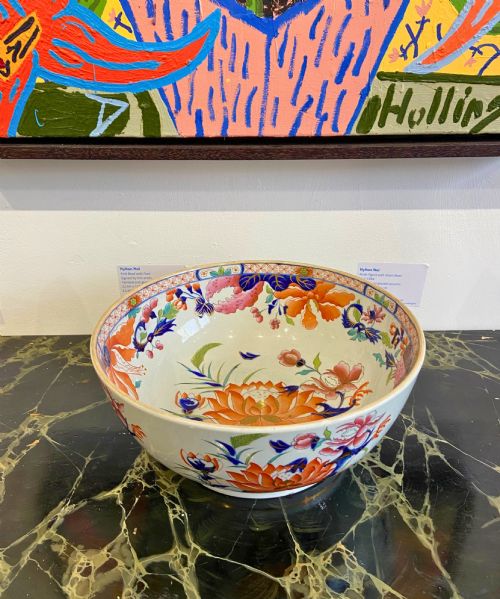
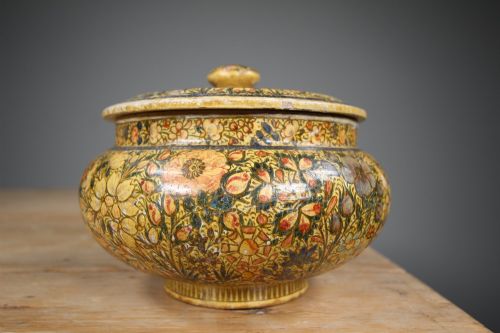
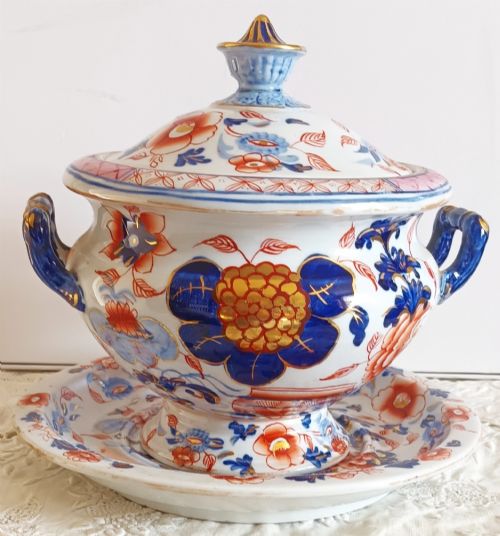
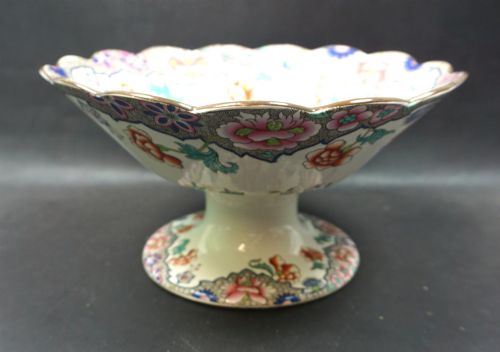
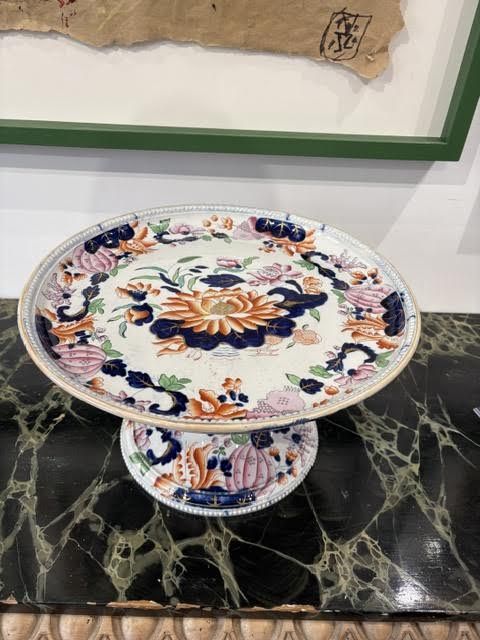
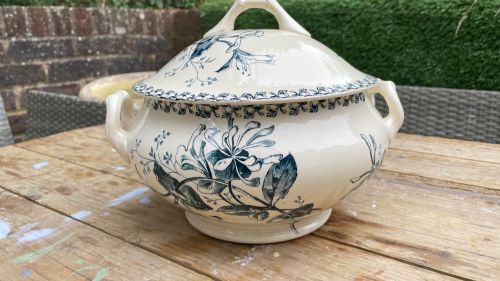
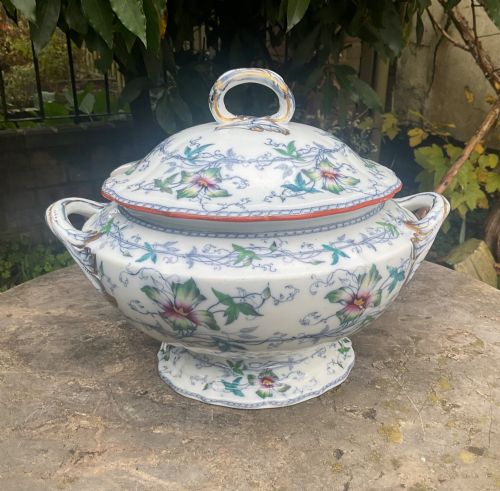
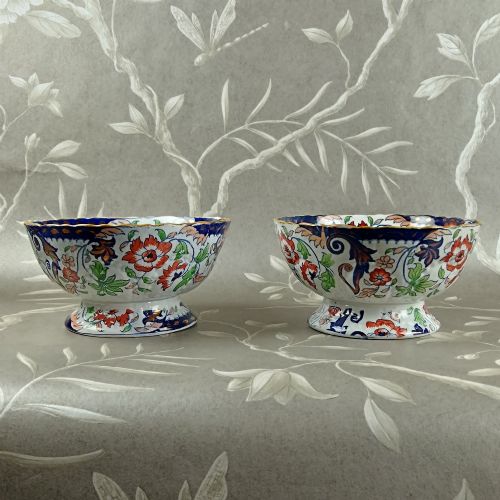
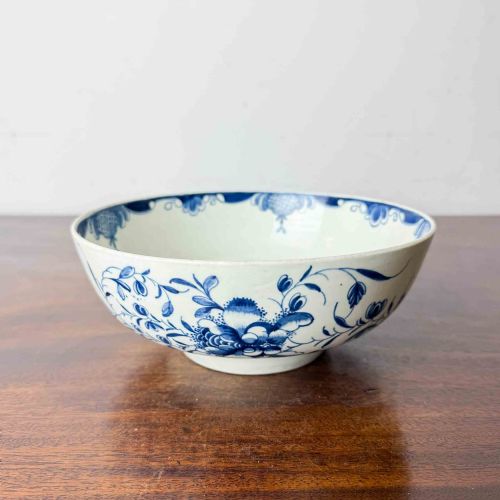
A floral pattern bowl encompasses a diverse group of domestic and decorative vessels, ranging from large ironstone pedestal pieces to delicate porcelain serving dishes. When searching for a floral pattern bowl, collectors frequently encounter items produced across the eighteenth, nineteenth, and early twentieth centuries.
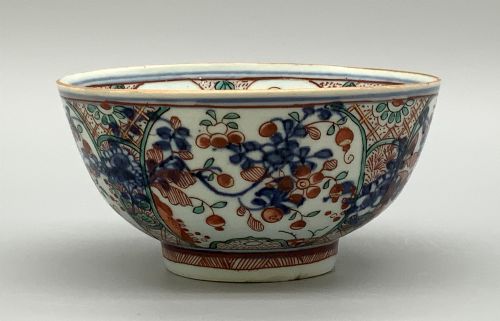
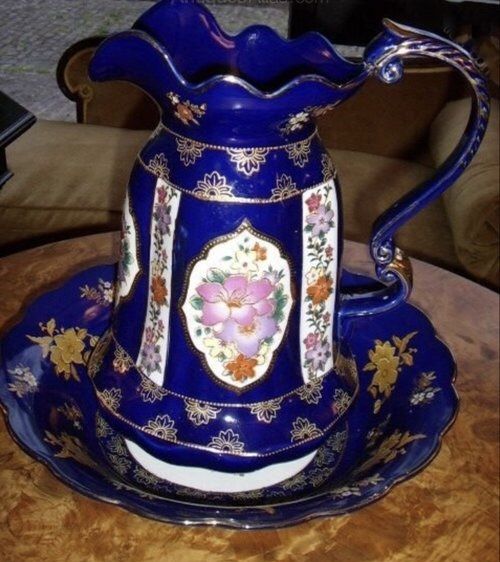
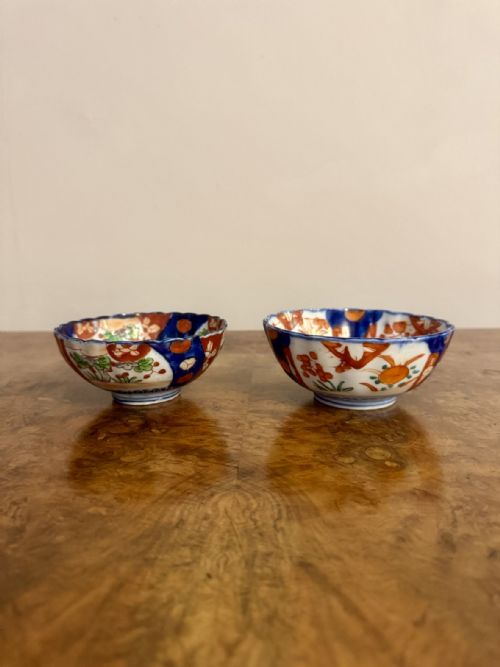
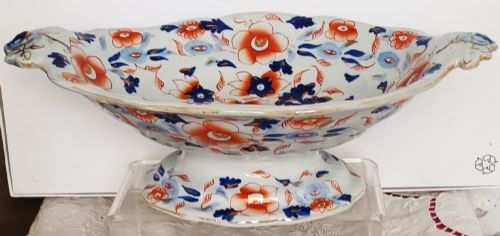
The selection includes specific regional wares, such as English ironstone footed comports, Chinese export porcelain, and Japanese Imari pieces. Washstand sets and large basins also appear alongside smaller sugar bowls and decorative centerpieces, all united by plant and flower motifs.
Materials and construction techniques
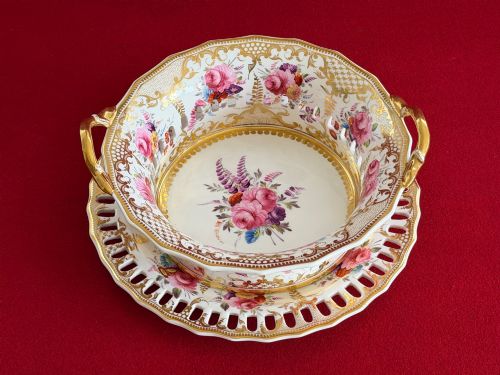
Potters relied on durable ironstone, refined porcelain, and soft-paste ceramic bodies to form these vessels, shaping them on wheels or pressing them in moulds. Glazes provide a smooth protective surface, while cobalt blue pigment, enamel, and occasional gold leaf bring colour and detail to the painted botanicals.
Makers applied floral designs either through hand-painting or transfer printing before firing the pieces in kilns to vitrify the body and fix the pigments. Heavier items like ironstone tureens and wash basins required sturdier clay bodies to withstand practical household use.
Floral Pattern Bowl Retail Price Guide 2026
Typical asking prices for floral pattern bowl among the pieces listed under this phrase on Sellingantiques today, from the lower quarter to the upper quarter. They describe what is for sale here now, not the wider market.
Early ironstone bowls were engineered to be so tough that makers occasionally advertised them as nearly indestructible kitchen workhorses.
Distinctions in craftsmanship
Quality rests in the crispness of the painted or transferred botanical detail and the evenness of the glaze across the ceramic body. Finer examples display meticulous brushwork, vibrant enamel pigments, and well-balanced forms without significant distortion from the kiln firing process.
The reputation of the pottery or manufacturer also influences standing, as established works applied superior paste formulations and more intricate decorative schemes. Superior ironstone and porcelain pieces retain sharp moulded relief and clear maker stamps on the underside.
Spode·Coalport·Maling·Moorcroft·Lalique·Richard Ginori
The Floral Pattern Bowl Glossary
- Ironstone
- A dense, durable type of earthenware patented in the nineteenth century to imitate Chinese porcelain. It offers high resistance to chipping and provides a solid base for transfer-printed and hand-painted floral designs.
- Imari
- A style of Japanese export porcelain characterised by a palette of underglaze blue and iron red, frequently augmented with gold. Floral and botanical subjects remain central to this traditional aesthetic.
- Comport
- A pedestal dish or bowl raised on a foot, designed for serving fruit or sweets at the table. These elevated vessels often feature decorative handles and scalloped rims.
- Sucrier
- A small lidded sugar bowl intended for tea service use. They appear in fine porcelain bodies decorated with botanical patterns matching broader dining sets.
- Soft-paste porcelain
- An artificial porcelain composition fired at lower temperatures than hard-paste, resulting in a slightly warmer tone and a softer glaze surface.
Floral Pattern Bowl: Frequently Asked Questions
How do I identify the period of a bowl?
Examine the weight of the ceramic body, the style of the floral painting, and any maker marks stamped or painted on the underside. Nineteenth-century pieces often utilise heavy ironstone or transfer-printing techniques, whereas earlier eighteenth-century items show softer paste bodies.
Matching the pattern name, such as Amherst Japan or Mansfield, to historical production dates provides further verification. Comparing the glaze texture and foot rim finish helps distinguish between Georgian, Victorian, and later twentieth-century manufacturing methods.
Were these bowls used for food or display?
Many items functioned as practical tableware, including serving dishes, vegetable tureens, and sugar bowls designed for daily dining. Larger pedestal bowls and basins served both functional roles in the dining room and decorative purposes in the household.
Over time, many surviving vessels transitioned from active service to decorative display pieces due to their intricate floral artistry. Careful handling ensures these historic ceramics remain preserved for modern interior display.
What is ironstone?
Ironstone is a heavy, durable earthenware developed in the nineteenth century as a sturdier alternative to imported Chinese porcelain. It allowed potteries to produce robust dinner services, jugs, and large basins.
The dense ceramic body resists chipping while accepting vibrant underglaze and enamel floral decorations. This strength made ironstone the preferred material for busy household washstand sets and large serving vessels.