

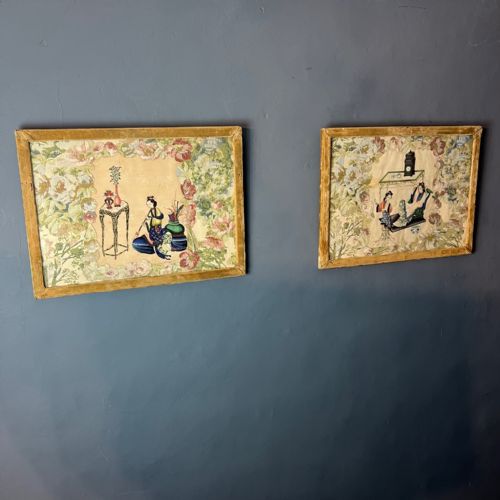
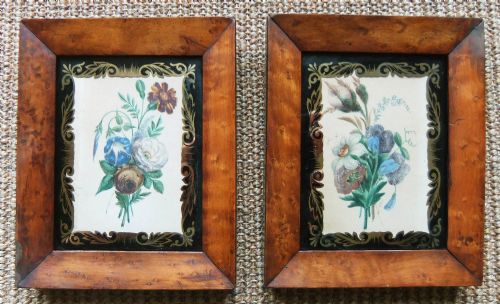
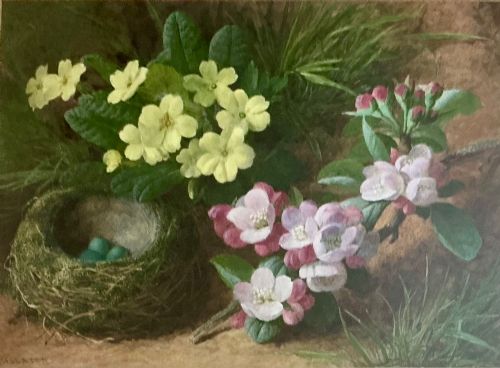
Floral Painting Artwork
These floral painting artwork selections bring botanical life to interior spaces through centuries of pigment on canvas, panel, and paper.
Floral Painting Artwork
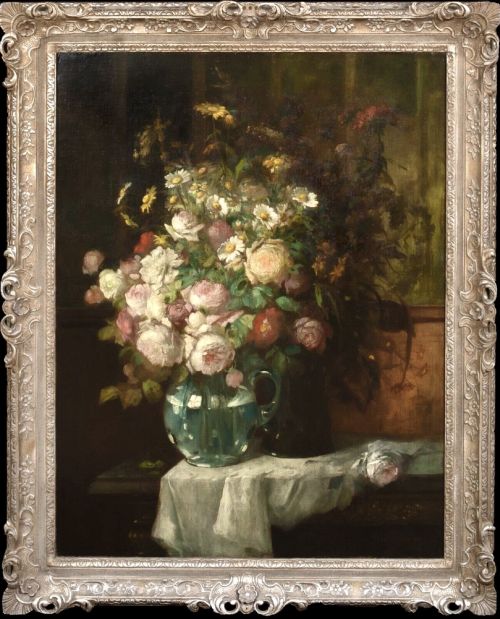
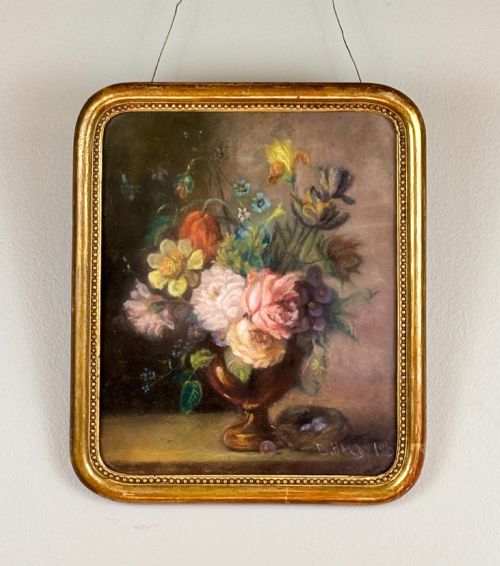
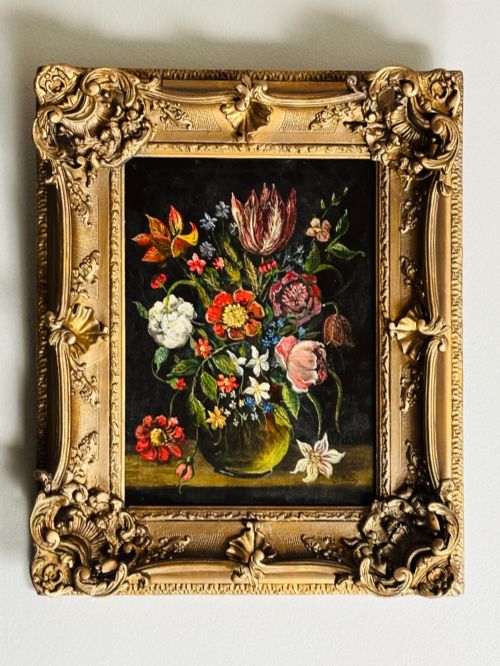
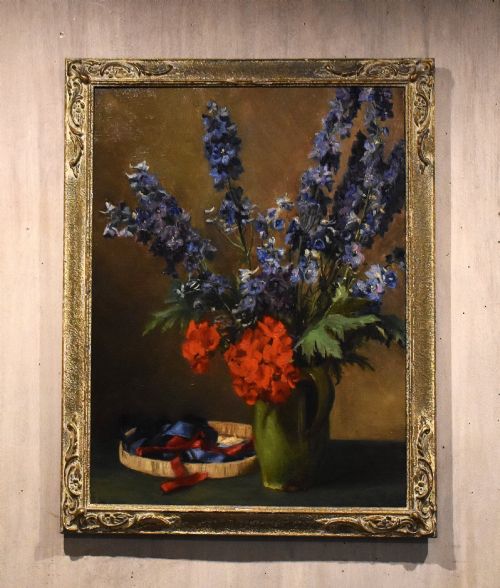
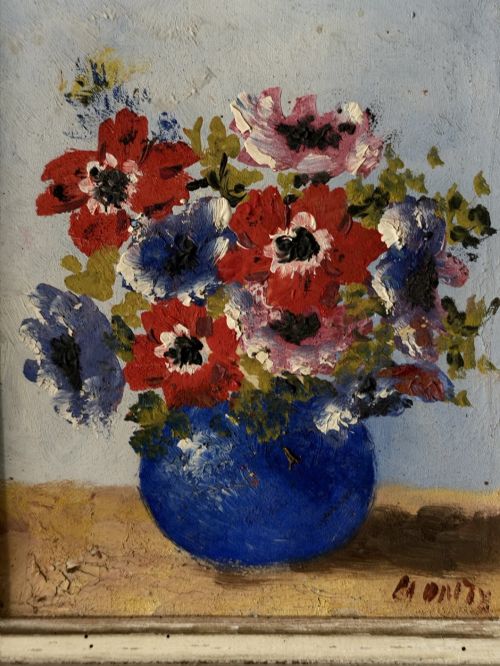
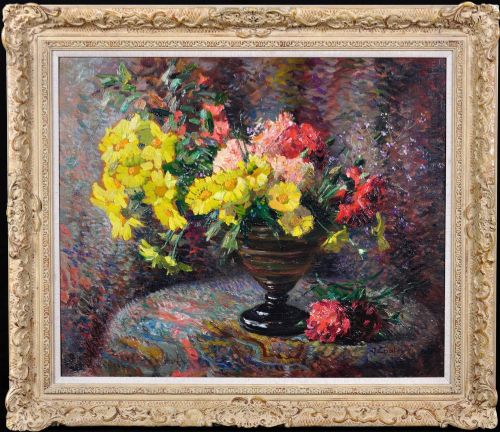
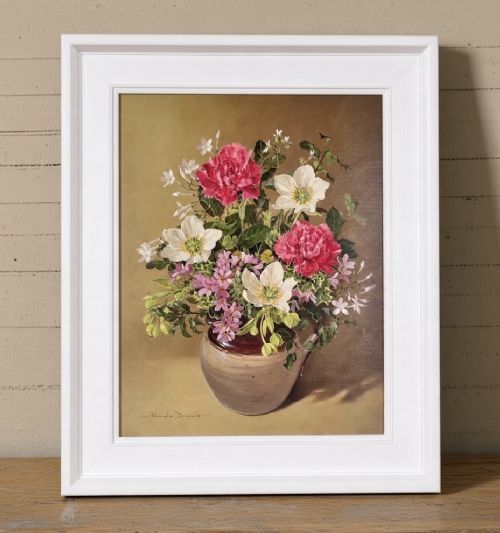
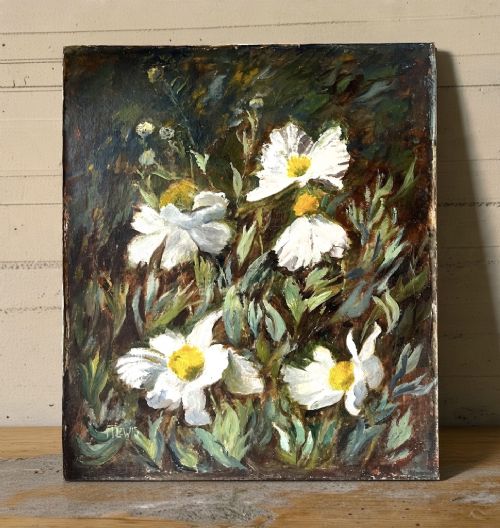
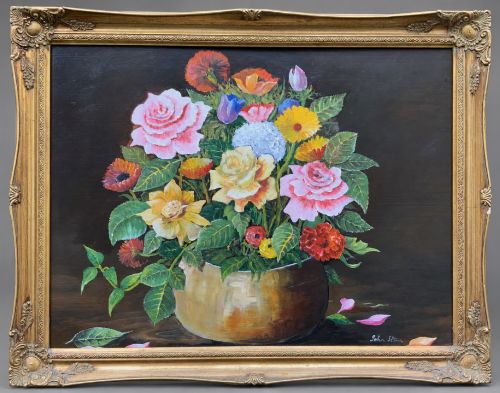
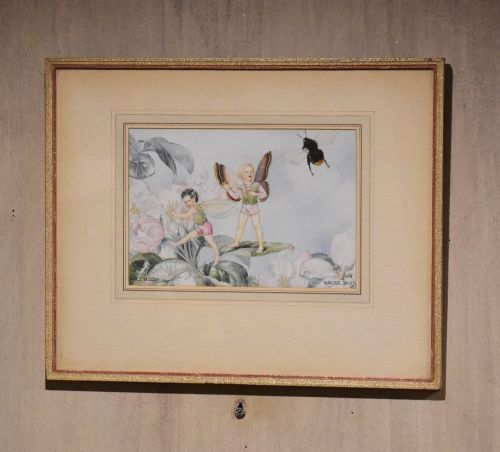
Floral painting artwork encompasses centuries of botanical studies, still life arrangements, and expressive garden scenes captured by artists across diverse European and American traditions. Buyers encounter everything from intimate nineteenth-century watercolours of wild roses and delicate flower fairy illustrations to expansive Dutch Golden Age style canvases teeming with blossoms.
The pieces on this page span from the early nineteenth century through the mid-twentieth century, capturing shifting movements like Victorian naturalism, Impressionism, and Mid-Century Modernism. Forms range from framed oil paintings on canvas and board to watercolours on paper and tempera on panel.
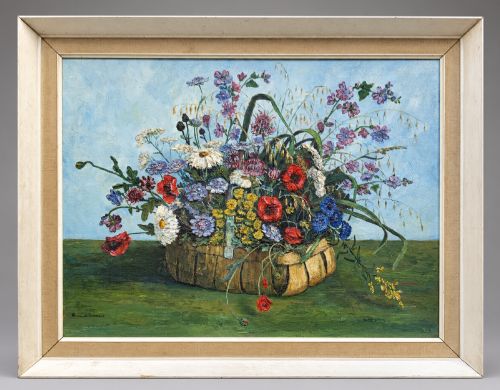
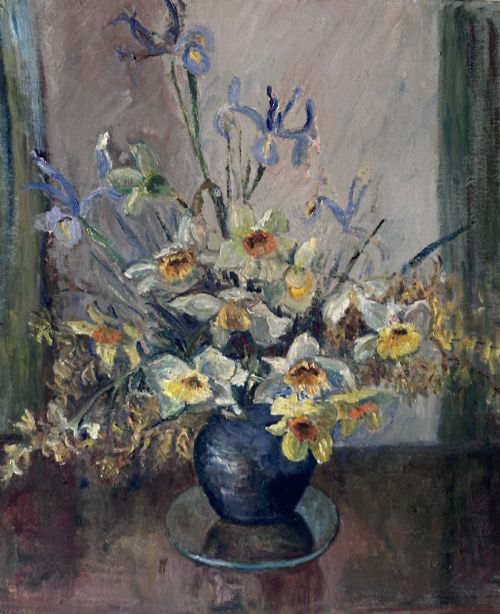
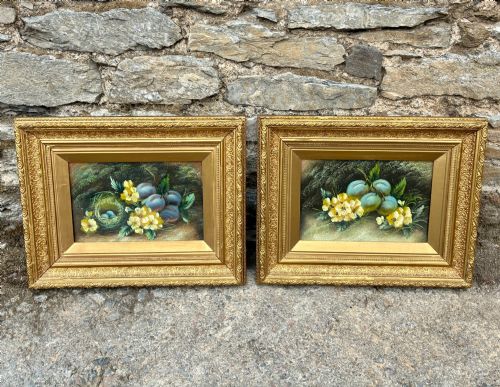
Still life compositions dominate the selection, often pairing vases of flowers with fruit, butterflies, or wicker baskets. Whether seeking a dramatic large-scale Dutch floral arrangement or a simple vintage botanical study, collectors find works reflecting both meticulous academic training and naive charm.
How They Were Made
Artists utilised traditional oil paints layered upon primed canvas, wooden panels, or heavy boards to build rich textures and deep colour saturation. Watercolours were applied with delicate washes to paper, capturing translucent petals and botanical precision.
Support materials varied according to the period and region, with nineteenth-century works frequently employing sturdy canvas stretchers while later twentieth-century pieces often utilised board or thick paper. Frames frequently incorporated carved wood finished with gold leaf or gilt gesso.
Pigments were handled with techniques ranging from tight academic realism, reminiscent of Dutch Baroque masters, to looser brushwork characteristic of British and American Impressionism.
Floral Painting Artwork Retail Price Guide 2026
Typical asking prices for floral painting artwork among the pieces listed under this phrase on Sellingantiques today, from the lower quarter to the upper quarter. They describe what is for sale here now, not the wider market.
The selection includes delicate botanical watercolours alongside monumental seventeenth-century style Dutch floral oil paintings.
What Varies in Quality
Quality rests in the handling of light, shadow, and botanical anatomy, separating stiff decorative copies from masterly observational studies that capture the fleeting vitality of petals. The articulation of texture in foliage, glassware, and woven baskets reveals the artist's depth of skill.
Provenance and attribution elevate certain pieces, particularly those bearing signatures from established Victorian, continental, or mid-century painters rather than anonymous hands. The preservation of the original surface, unmarred by heavy restoration or pigment darkening, maintains the integrity of the work.
Marjorie L Davies·Irene Christobelle Pownoll Williams·Theude Grönland·Kenneth Cozens·Oliver Clare·Vincent Clare·Konstantin Stoitzner·Edward Ladell·Emma Fordyce MacRae·Gaspar Peeter Verbruggen·Harold Clayton·Edwin Steele·D Hardy·Manuela Bonati
The Floral Painting Artwork Glossary
- Still life
- An artwork depicting inanimate subject matter, typically featuring natural objects such as cut flowers, fruit, and hunting game. These compositions allow artists to focus entirely on colour harmony, texture, and light arrangement.
- Oil paint
- A slow-drying paint made from pigment particles suspended in a drying oil, commonly linseed oil. This medium allows for smooth blending and rich impasto application.
- Watercolour
- A paint wherein colour pigments are suspended in a water-soluble vehicle. It is typically applied to paper to create translucent layers.
- Gilt gesso
- A plaster-like material applied to wooden frames and coated with gold leaf or metallic paint. This creates a reflective, ornate border common in traditional framing.
- Impressionism
- A nineteenth-century painting style characterised by relatively small, thin, yet visible brush strokes and an emphasis on accurate depiction of light. Artists working in this manner prioritize open composition and ordinary subject matter.
Floral Painting Artwork: Frequently Asked Questions
How do I date an antique floral painting?
Dating relies on stylistic clues, the material of the support canvas or panel, and framing conventions. Victorian works often feature tight academic realism while mid-century pieces show looser impressionistic brushwork.
Signatures, artist registry records, and inscriptions on the reverse of the stretcher or board frequently confirm the exact period of creation.
Where should I hang a still life painting?
These works suit dining rooms, drawing rooms, and hallways where traditional lighting highlights the depth of the oil pigments or the delicacy of watercolour washes. Avoid placing them in rooms with excessive moisture or direct sunlight to protect the paper and canvas.
Pairing a large floral canvas with minimalist modern furniture creates a striking contrast between historical subject matter and contemporary interior design.
What is the difference between oil and watercolour floral art?
Oil paintings utilise heavy pigments on canvas or panel, offering rich textures, deep shadows, and luminous colour layering that withstands decades of display. Watercolours utilise translucent washes on paper, resulting in a lighter, more delicate aesthetic.
Watercolours require protective glass framing to prevent environmental damage, whereas oil paintings on canvas remain open to the air.
Are antique floral artworks signed by the artist?
Many pieces feature visible signatures, monograms, or dates applied by the painter within the composition or along the lower margin. Unsigned works frequently emerge from regional schools or decorative studio traditions of the nineteenth and twentieth centuries.
Documentation on the reverse, such as old gallery labels or exhibition stamps, often provides context when a direct signature is absent.