


Floral Painted Furniture
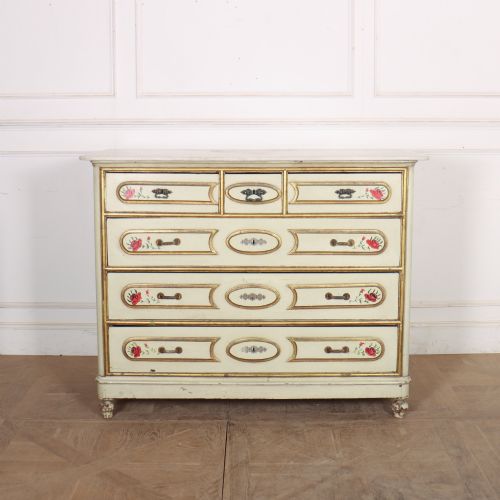
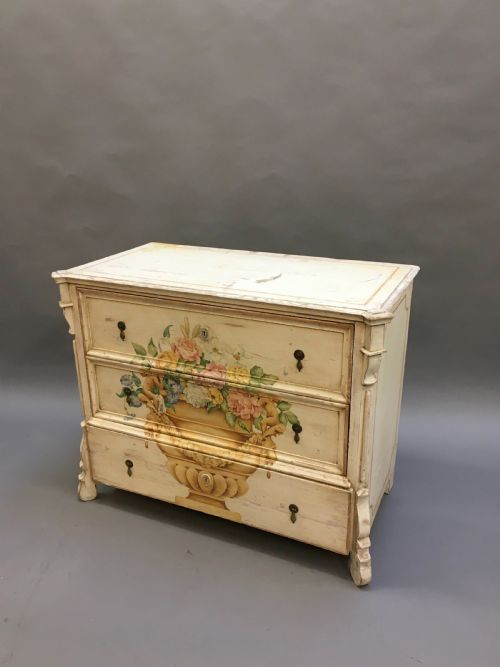
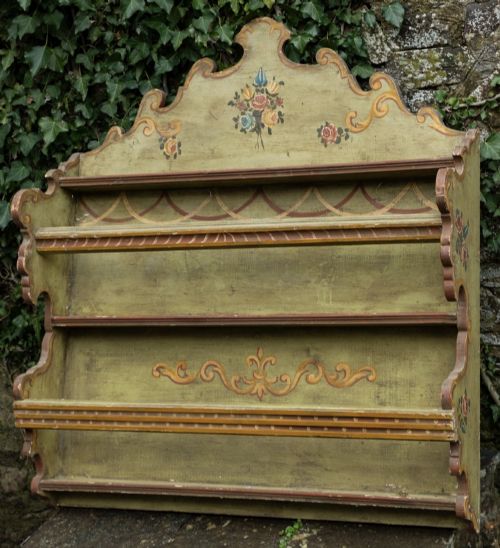
Floral painted furniture brings together timber surfaces and brushwork from the nineteenth and early twentieth centuries, offering colour and pattern for domestic interiors.
Floral Painted Furniture
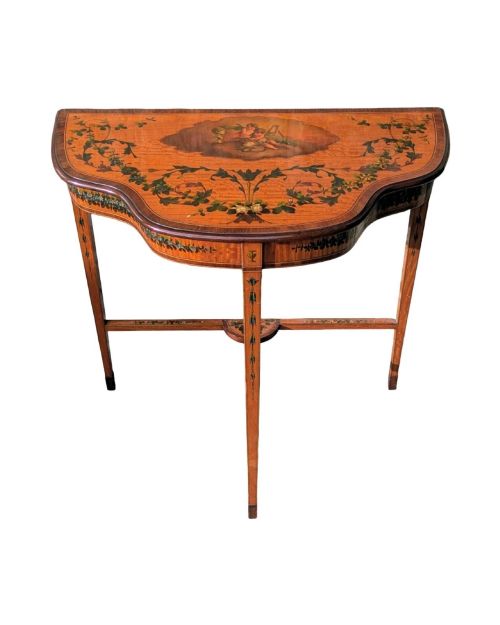
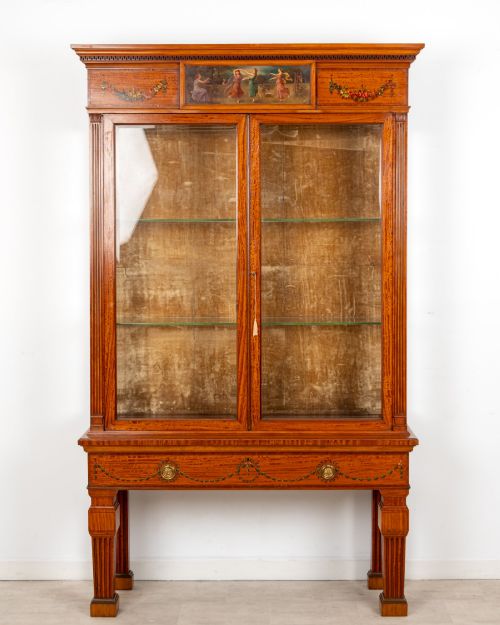
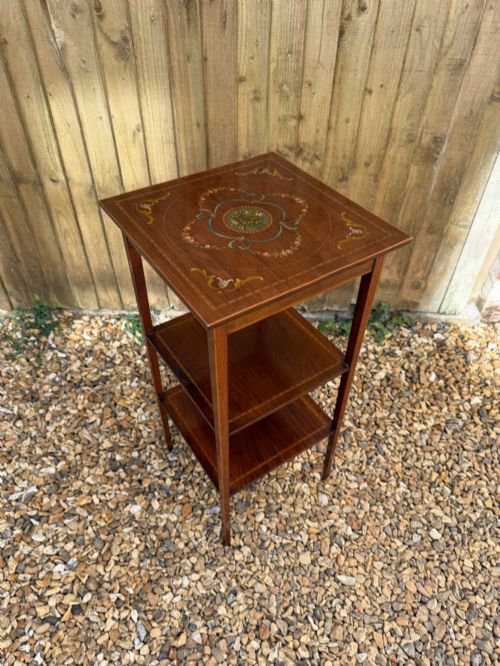
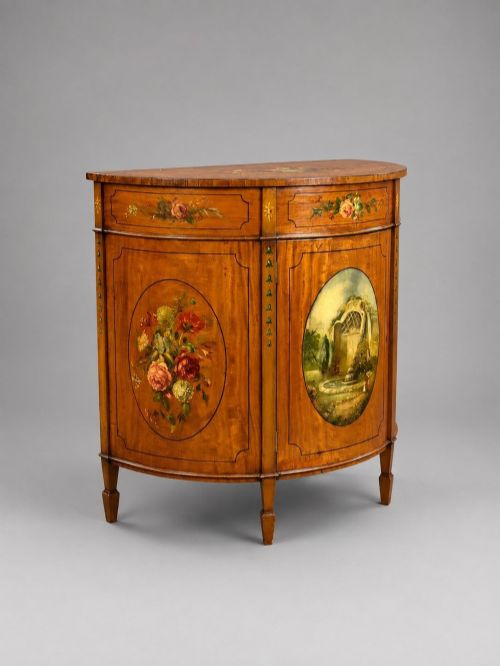
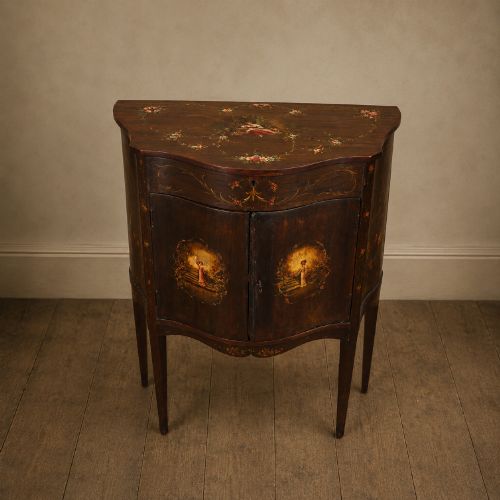
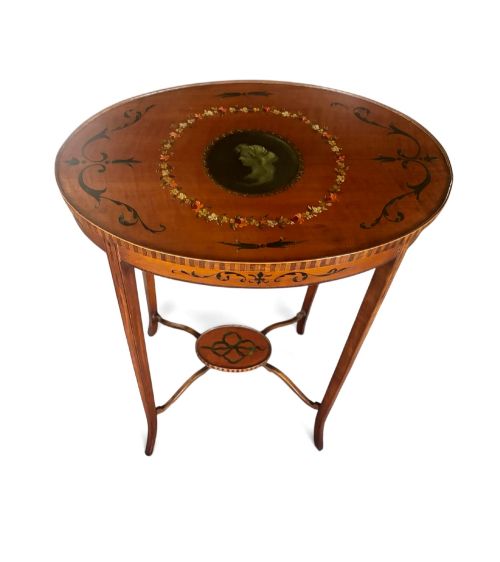
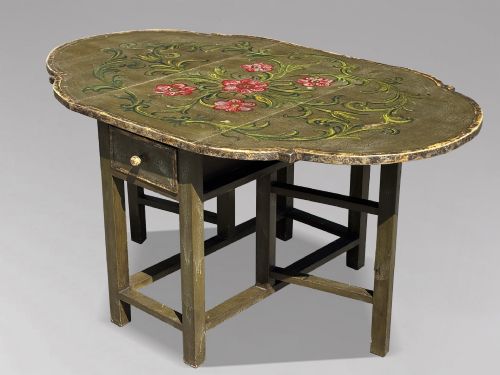
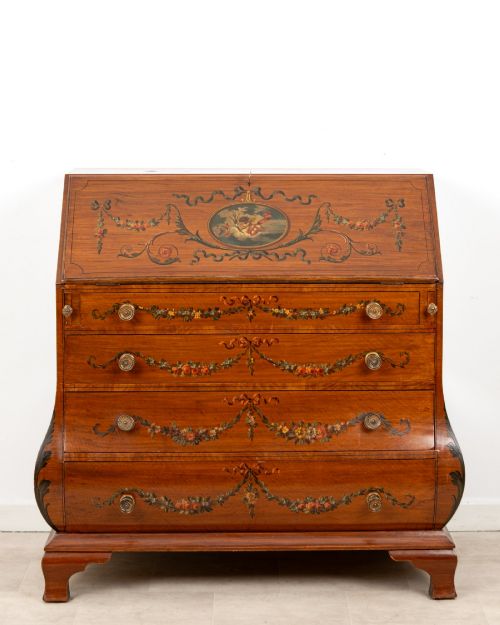
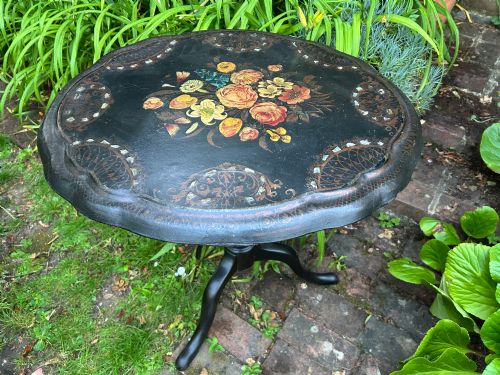
When you search for floral painted furniture, you encounter items ranging from Edwardian satinwood occasional tables and demi-lune cabinets to Victorian side cabinets, commodes, and display cabinets. These pieces span the nineteenth century, the Edwardian era, and the early twentieth century, showing both British revival styles and continental traditions.
The most common versions on this page are Edwardian satinwood pieces decorated with hand-painted floral motifs, alongside Victorian side pieces and occasional tables. Makers such as Hampton & Sons and retailers like Harrods contributed to this domestic output, applying botanical decoration to mahogany, satinwood, and pine surfaces.
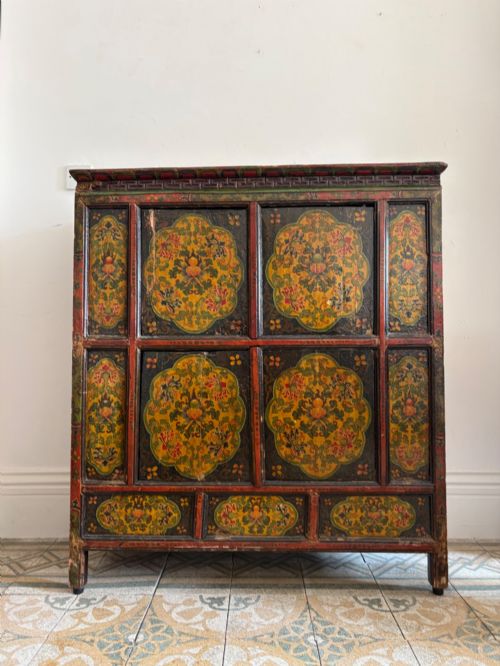
Beyond standard British tables and cabinets, the selection includes international examples such as Italian polychrome tables, Spanish commodes, Tibetan cabinets, and Hungarian coffer boxes. These regional works demonstrate distinct vernacular approaches to painting timber and applying floral ornamentation.
How they were made
Craftsmen built these items using timbers like satinwood, mahogany, and pine, often preparing smooth grounds to receive pigment. Surface preparation required careful sanding and priming so the applied colours adhered properly to the wood grain.
Decoration relied on hand-painted floral panels, polychrome pigments, and lacquer work, sometimes combined with gilding or brass fittings. Artists brushed motifs directly onto the wood or onto applied veneers, sealing the finished artwork with protective varnish layers.
Floral Painted Furniture Retail Price Guide 2026
Typical asking prices for floral painted furniture among the pieces listed under this phrase on Sellingantiques today, from the lower quarter to the upper quarter. They describe what is for sale here now, not the wider market.
A Welsh spinning chair waits quietly among the cabinets, offering a miniature seat painted with flowers for fireside work.
What varies in quality
The standard of a piece rests upon the crispness of the hand-painted floral details and the selection of the underlying timber. Finely figured satinwood and delicate, confident brushwork separate superior items from simpler commercial output.
Construction methods and structural integrity also divide the range, from robustly joined cabinets and tables to lighter decorative items. Original painted surfaces preserved in good condition command greater regard than later repainting or heavy restoration.
Hampton and Sons·Harrods
The Floral Painted Furniture Glossary
- Satinwood
- A durable, yellowish timber native to Ceylon and India, highly prized for cabinet-making during the eighteenth and nineteenth centuries. Its lustrous grain made it a favoured ground for painted decoration.
- Demi-lune
- A half-moon shape, typically describing the plan of small tables and commodes designed to sit flush against a wall. This profile allowed decorative painted tops to be viewed fully.
- Polychrome
- Painted, printed, or decorated in several colours. The term describes items featuring multi-coloured floral schemes and pigments.
- Chinoiserie
- European interpretations of Chinese and East Asian artistic traditions, popular in furniture decoration. These pieces feature motifs like birds, flowers, and landscapes rendered in lacquer and paint.
- Toleware
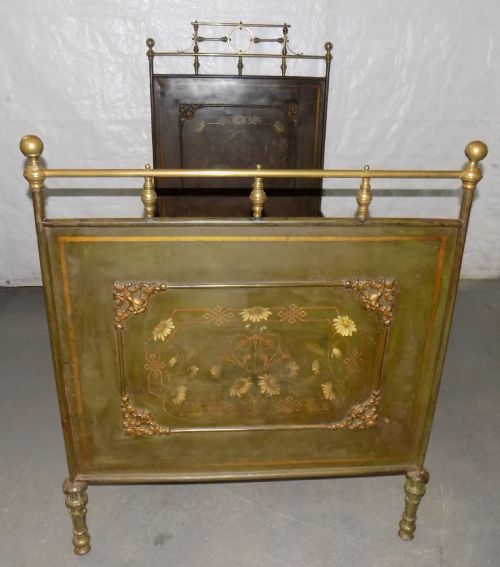
- Enamelled or lacquered metalware, occasionally utilised for bedsteads and decorative household items. The metallic base received painted floral designs similar to those applied to wood.
Floral Painted Furniture: Frequently Asked Questions
What periods do these pieces date from?
The listings span the nineteenth century, the Edwardian period, and the early decades of the twentieth century. Pieces from the Victorian and Edwardian eras predominate alongside earlier eighteenth-century survivals.
Craftsmen and workshops during these times produced items reflecting shifts from classical revivalism to Aesthetic Movement and continental styles.
How should I care for painted surfaces?
Keep painted wooden items away from direct sunlight and sources of heat to prevent the timber from warping and the pigments from fading. Dust gently with a dry, soft cloth and avoid chemical cleaning agents.
Maintaining stable room humidity protects both the underlying wood and the delicate layers of historical paint.
Are these items suitable for everyday use?
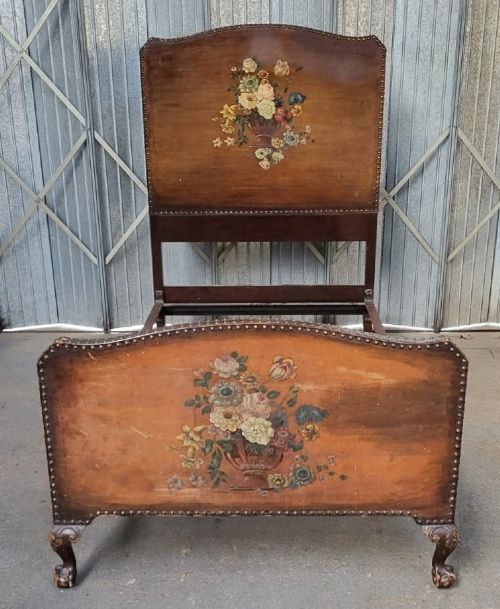
Occasional tables, chests of drawers, and small cabinets function well in modern homes for storage and display. Heavier pieces like wardrobes and bedsteads fit designated bedroom spaces.
Careful placement ensures these decorative items serve practical purposes without sustaining unnecessary surface wear.
How do I distinguish original paint from later decoration?
Original finishes show consistent ageing, craquelure, and wear patterns that integrate with the timber underneath. Pigments settle naturally into the grain and show uniform oxidation.
Later additions often sit on top of old wear, use modern synthetic binders, or lack the integration seen in period brushwork.