






Floral Garden Painting
These floral garden painting selections capture botanical subjects through oil and watercolour, offering a tangible connection to historical horticulture and landscape art.
Floral Garden Painting
A floral garden painting represents cultivated landscapes, cottage grounds, and botanical subjects, capturing the visual charm of planted environments. Buyers seek these works to bring historical depictions of nature into domestic interiors, connecting with traditional landscape traditions.
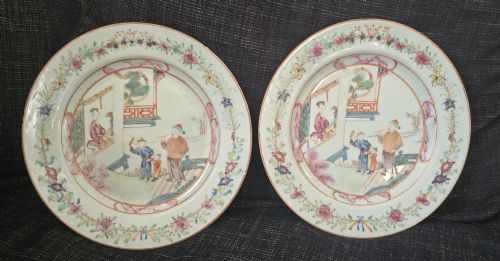
The pieces on this page span from the nineteenth century through the mid-twentieth century, encompassing British Impressionism, French Impressionism, and Edwardian styles. Watercolour paintings on paper and oil paintings on canvas dominate the selection, alongside related decorative items like porcelain vases and ceramic garden seats.
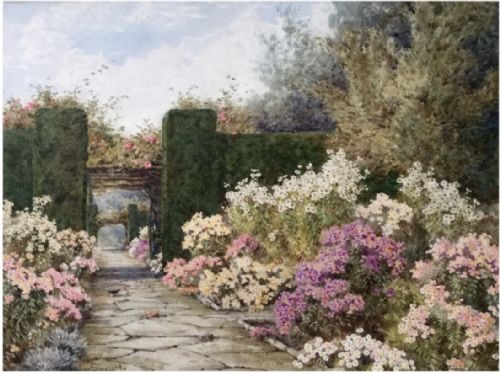
Works by noted watercolourists such as Theresa Stannard, Lilian Stannard, and Beatrice Parsons frequently appear, often depicting walled gardens, cottage flowerbeds, and seasonal blooms. These paintings reflect the period's fascination with domestic horticulture, capturing specific flowers like rudbeckia, crocuses, and Michaelmas daisies.
Materials and Techniques
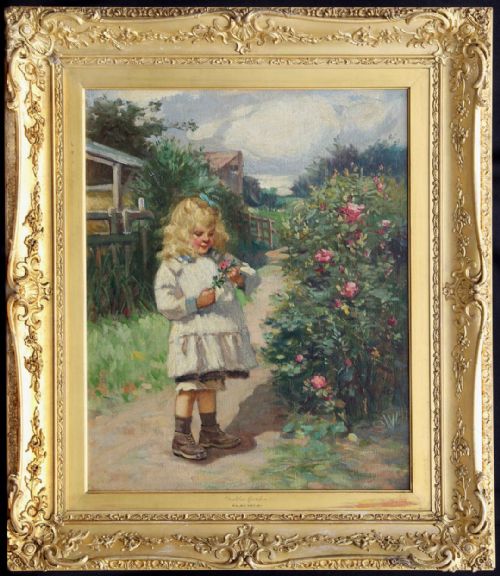
Artists utilised traditional media including oil paint on canvas or mahogany panels, and watercolour pigment applied to paper. These materials allowed painters to render light, texture, and colour shifts across floral landscapes with varying levels of opacity and detail.
Support structures varied from stretched canvas and heavy paper to glass and porcelain, utilised for both flat works and decorative objects such as vases and garden seats. Lacquered wood and ceramic materials also form the foundation for three-dimensional pieces associated with garden scenes.
Floral Garden Painting Retail Price Guide 2026
Typical asking prices for floral garden painting among the pieces listed under this phrase on Sellingantiques today, from the lower quarter to the upper quarter. They describe what is for sale here now, not the wider market.
The selection includes works spanning the Edwardian period, the Meiji period, and the Chinese Republic period alongside British and French Impressionism.
Distinctions in Quality
Quality rests upon the artist's ability to handle light, atmospheric perspective, and botanical accuracy within the composition. Masterful brushwork distinguishes works by established painters from more generic or amateur efforts of the same period.
The preservation of the paper support in watercolours, or the stability of the paint layer in oils on canvas or panel, dictates the enduring visual condition of the piece. Superior examples retain their original colour vibrancy without excessive fading, foxing, or destabilising craquelure.
Harry Wanless·Hakusan·Ernest Higgins Rigg·Owen Bowen·David Woodlock·Jane Utley·Beatrice Parsons·Edgar Bundy·George Frederick Nicholls·Ralph Hedley·Fred Merriman·Arthur H Buckland·Minnie Smythe
The Floral Garden Painting Glossary
- Watercolour
- A painting method in which the paints are made of pigments suspended in a water-based solution. This medium is typically applied to paper to achieve translucent colour washes.
- British Impressionism
- An art movement influenced by French techniques, focusing on natural light and outdoor scenes. Practitioners often painted en plein air, capturing transitory effects in gardens and landscapes.
- Impressionism
- A nineteenth-century movement characterised by relatively small, thin, yet visible brush strokes and open composition. The emphasis rests on accurate depiction of light and its shifting qualities.
- Mixed Media
- An artwork in which more than one medium or material has been employed. Artists combine elements such as watercolour, gouache, or ink to create textured floral scenes.
Floral Garden Painting: Frequently Asked Questions
How do I identify a Victorian garden painting?
Victorian works often display meticulous botanical detail and traditional composition styles, reflecting the era's scientific and aesthetic interest in botany.
Examining the framing, backing materials, and artist signatures can also help confirm the nineteenth-century origin.
What subjects are common in these paintings?
Common subjects include walled cottage gardens, summer flowerbeds, water lilies on lakes, and public parks featuring seasonal blooms.
These scenes frequently incorporate architectural elements such as garden seats, thatched cottages, and stone pathways.
How should I care for antique watercolours?
Antique watercolours on paper require protection from direct sunlight to prevent the pigments from fading over time.
Displaying them behind UV-filtering glass helps preserve the paper and the delicate watercolour pigments.
What is the difference between oils and watercolours here?
Oil paintings utilise pigment suspended in drying oils, applied to canvas or wood panels to create rich, textured surfaces.
Watercolours use water-soluble pigments on paper, offering a lighter, more translucent depiction of floral scenes.