



Floral Carved Wood Cabinet
A floral carved wood cabinet brings deep relief work and botanical detail into a room, offering practical storage through traditional craftsmanship.
Floral Carved Wood Cabinet
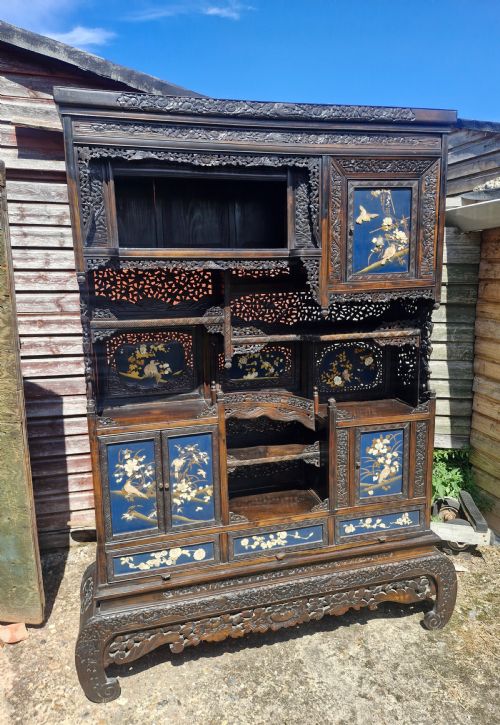
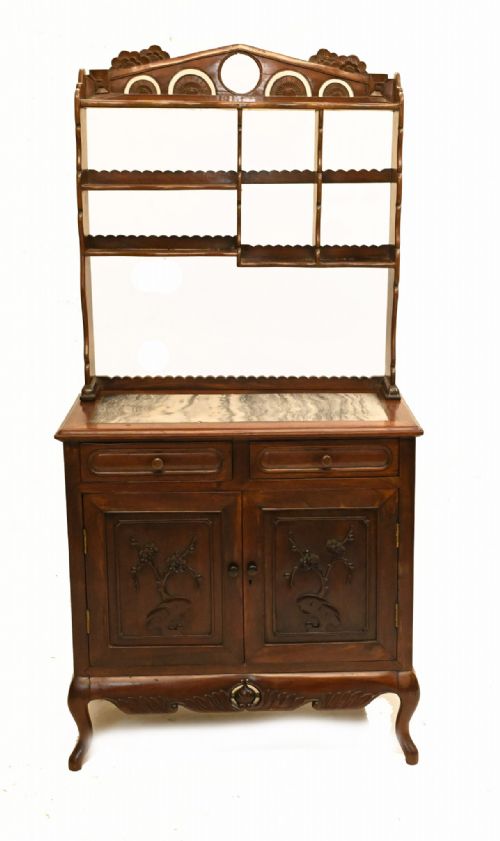
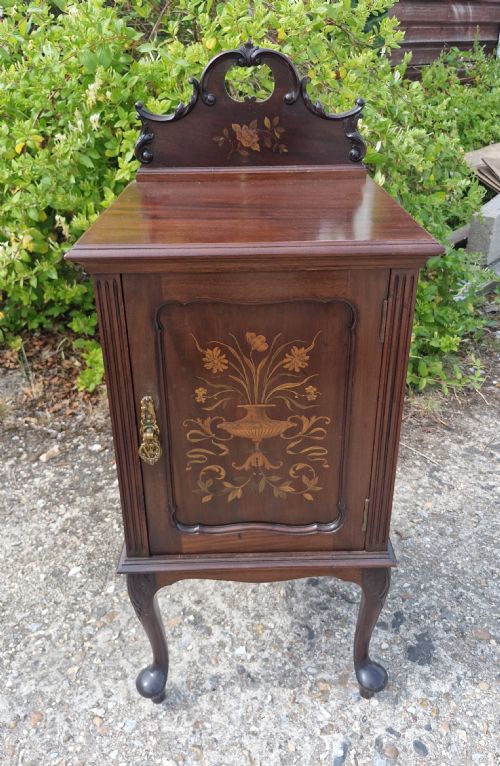
A floral carved wood cabinet encompasses everything from compact bedside cupboards and wall-hanging display units to large kitchen dressers and sideboards. These items draw on diverse stylistic traditions, including Anglo-Indian colonial work, Chinese hardwood forms, and Victorian folk art.
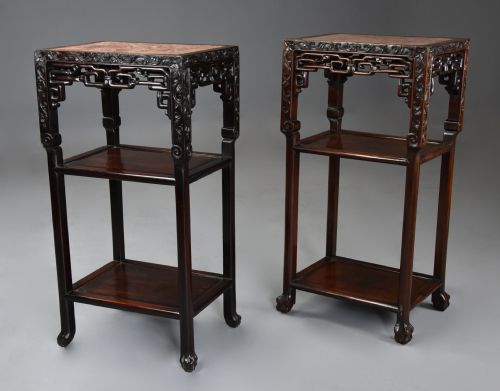
Buyers are most likely to encounter nineteenth-century oak, mahogany, and walnut pieces alongside hardwood items originating from the Meiji and Qing periods. Forms range from freestanding pedestal sideboards to tabletop cabinets and paired pot stands.
The decorative schemes rely heavily on botanical relief work, floral panels, and marquetry inlays that transform standard storage furniture into focal points. Each version reflects the specific regional carving traditions and domestic requirements of its period of origin.
Materials and construction methods
Makers utilised a variety of dense timbers, predominantly oak, mahogany, walnut, teak, and padauk, selected for their stability under intricate chisel work. Hardwoods and softwoods were shaped by hand to create deep relief panels, serpentine fronts, and fitted interiors.
Surface ornamentation combined traditional hand carving with marquetry inlay, pokerwork, and occasional lacquer work depending on the regional workshop. Joinery techniques varied from pegged mortise and tenon frames to dovetailed drawer construction suited to heavy domestic service.
Some nineteenth-century kitchen dressers arrive with such enthusiastic floral folk carving that even the drawer interiors display unexpected botanical flourishes.
Assessing quality in carved cabinetry
Quality rests in the crispness and depth of the botanical carving, where sharp, undercut botanical details distinguish skilled handwork from superficial mechanical shaping. The integration of the carved elements into the structural frame of the cabinet dictates the overall integrity of the piece.
Material selection further defines the standard, with dense hardwoods like padauk, mahogany, and walnut retaining sharper carving edges than softer alternatives. The harmony between the timber grain and the floral design separates standard utility storage from exceptional workshop production.
The Floral Carved Wood Cabinet Glossary
- Marquetry
- The art of applying pieces of veneer to a structure to form decorative patterns. This technique uses different coloured woods to render floral and geometric motifs.
- Padauk
- A dense tropical hardwood known for its reddish-brown colour and durability. It provides a stable base for intricate colonial carving.
- Breakfront
- A cabinet design where the central section projects forward from the flanking wings. This form adds architectural depth to large sideboards and dressers.
- Pokerwork
- The process of decorating wood by burning designs with a heated metal point. It creates shaded botanical imagery on wooden storage surfaces.
- Serpentine
- A curved line of furniture shaping that undulates inward and outward in a gentle wave. It appears frequently on the fronts of higher-end cabinets and dressers.
Floral Carved Wood Cabinet: Frequently Asked Questions
What periods do these cabinets come from?
The inventory spans the nineteenth century up to the 1930s, encompassing Victorian productions alongside Meiji and Qing period pieces.
Earlier examples from the mid-nineteenth century frequently display heavy oak or walnut construction, while later pieces incorporate diverse regional styles.
How were these cabinets used originally?
These pieces served varied domestic functions, from storing table linen in sideboards to displaying precious items in wall cabinets and holding bedside essentials.
Specialised forms like pot stands and kitchen dresser bases catered to specific household storage and display requirements.
How do I care for a carved wooden cabinet?
Protect the timber and carved details by keeping the furniture away from direct heat sources and sudden humidity changes. Regular dusting with a dry, soft cloth maintains the finish without moisture damage.
Avoid heavy silicone polishes that build up within the recessed areas of the botanical carvings over time.
How do I tell regional styles apart?
Regional identification relies on the choice of timber and the specific character of the floral motifs. Anglo-Indian pieces utilise dense tropical hardwoods with deep, dense foliage carving.
Chinese items often feature specific hardwood species and distinct joinery, whereas European Victorian pieces lean towards oak, walnut, and mahogany with traditional folk or revival motifs.