



Floral Art Study
A floral art study captures the quiet observation of plants and petals, bringing botanical form into interior spaces through historic paintings and prints.
Floral Art Study
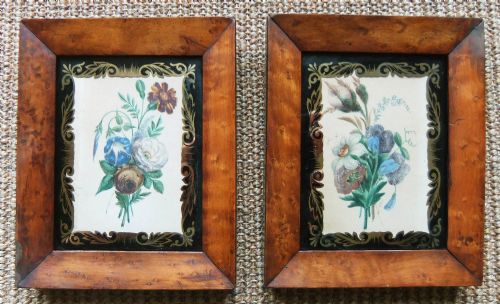
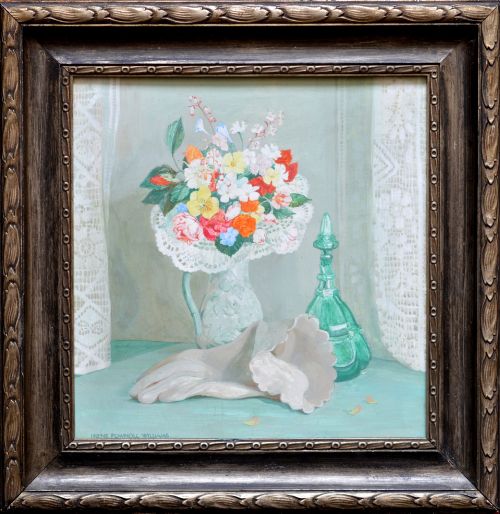
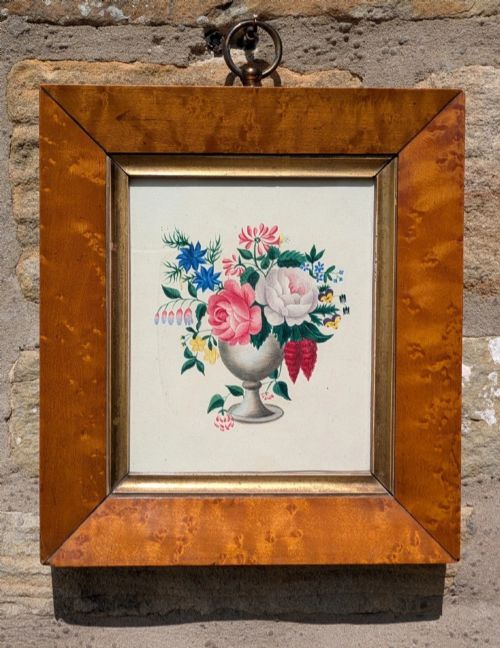
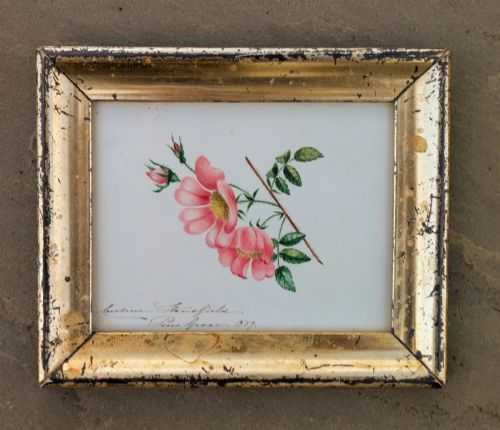
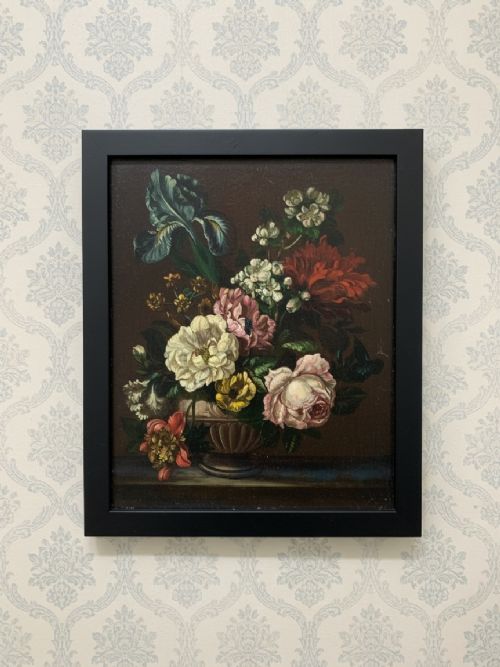
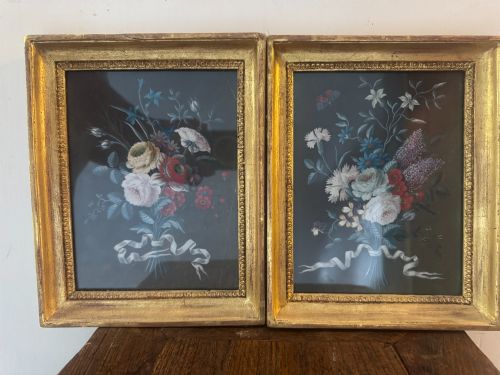
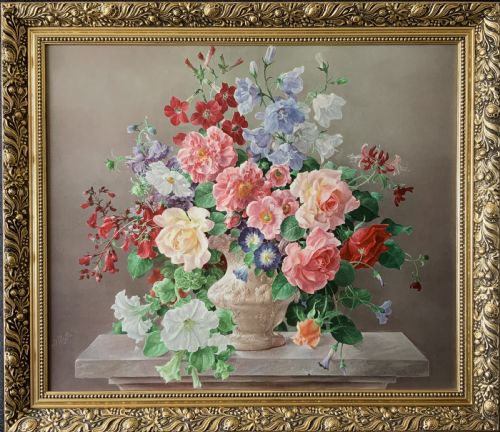
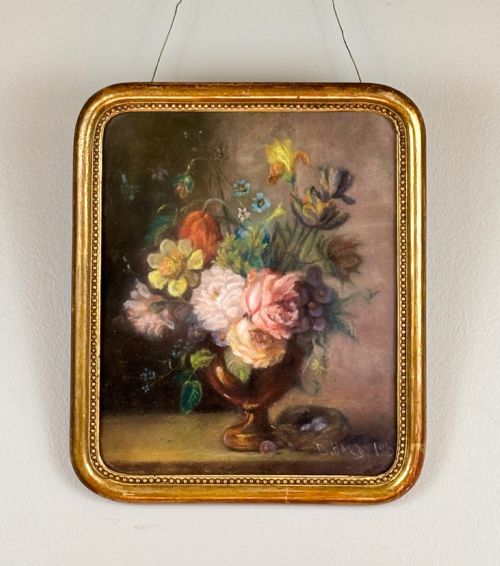
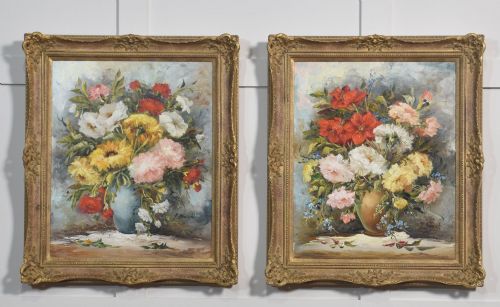
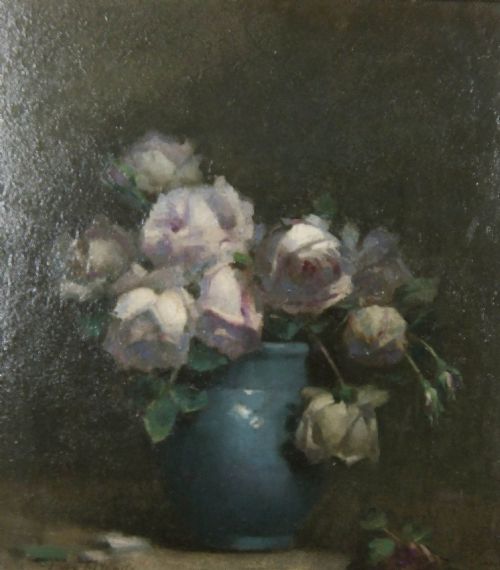
A floral art study encompasses framed watercolours, oil paintings, and gouache works focusing on flowers and plant life. These pieces range from detailed botanical records to expressive modern compositions.
Watercolours and oil paintings dominate the selection, often appearing in period frames. The items reflect various movements including Victorian botanical illustration and British Impressionism.
Works span from the early nineteenth century through the mid-twentieth century, offering different interpretations of natural subjects across paper, canvas, and panel.
Materials and Technique
Artists executed these works using traditional mediums such as oil paint, watercolour, gouache, and tempera applied to paper, prepared canvas, wood panel, or silk. Paper supports frequently carry delicate watercolours, while heavier oils find purchase on canvas and panel.
Gilt wood frames often house the finished pieces, protecting fragile surfaces like pastel and paper from environmental damage. The combination of durable supports and pigment ensures the survival of these botanical details across centuries.
Floral Art Study Retail Price Guide 2026
Typical asking prices for floral art study among the pieces listed under this phrase on Sellingantiques today, from the lower quarter to the upper quarter. They describe what is for sale here now, not the wider market.
Watch for rogue insects preserved in nineteenth-century botanical engravings, proving that studio assistants were not the only uninvited guests.
Distinctions in Quality
Quality rests upon the precision of brushwork and the artist's ability to render light and texture across petals and leaves. Superior pieces demonstrate confident handling of medium, whether capturing the transparency of a watercolour wash or the rich impasto of oil paint.
Provenance and attribution elevate certain works, particularly those bearing signatures from recognised painters or emerging from established regional schools. The harmony of composition and the preservation of the original support further distinguish exceptional examples from simpler decorative prints.
Irene Christobelle Pownoll Williams·Harold Clayton·D Hardy·Manuela Bonati·William Thomas Wood·Ernest Higgins Rigg·Sir Matthew Smith·Edith Barrow·Grace Hastie·Phyllis I Hibbert·Lena M Alexander·Marian Chase·L Wilford·Pierre-Joseph Redouté·Jennifer Toombs·Charlotte Isa James·Alice Macallan Swan·John Curtis·Marion Broom·Annie Mary Youngman·Margaret Evangeline Wilson·M K Rhodes·Owen Bowen·Kershaw Schofield
The Floral Art Study Glossary
- Gouache
- An opaque water-based paint that dries to a matte finish, frequently used in botanical works to build solid areas of colour. It differs from transparent watercolour through the addition of a white pigment filler.
- Tempera
- A permanent, fast-drying painting medium consisting of coloured pigment mixed with a water-soluble binder medium, such as egg yolk. It provides a durable surface often applied to wood panels.
- Oleograph
- A mechanical colour lithograph printed on textured paper or canvas to imitate an oil painting. These prints replicate the visual appearance of brushstrokes through an embossed roller.
- Impasto
- A technique where paint is laid onto an area of the surface in very thick layers, usually thick enough that the brush or painting-knife strokes are visible. This method adds tangible dimension to floral subjects.
- Botanical Illustration
- The art of depicting the form, colour, and details of plant species, historically serving scientific recording as well as aesthetic appreciation. These works prioritize accuracy in leaf structure and petal count.
Floral Art Study: Frequently Asked Questions
How should I care for historic watercolours?
Keep watercolours away from direct sunlight to prevent the fading of delicate pigments on paper. Framing behind UV-resistant glass protects the medium from moisture and airborne pollutants.
Ensure hanging locations experience stable humidity levels to avoid warping the paper or damaging the surrounding mount. Professional conservation framing secures the longevity of these delicate works.
What is the difference between botanical art and floral still life?
Botanical art focuses on the scientific accuracy of plant structures, often depicting specific species with detailed roots, leaves, and seed pods. These works serve an instructional purpose alongside aesthetic value.
Floral still life prioritises composition, colour harmony, and mood, arranging cut flowers within vessels. The emphasis rests on artistic interpretation rather than strict botanical identification.
How do I date an antique floral painting?
Examine the framing, backing materials, and paper or canvas supports for clues consistent with specific eras. Technological shifts in papermaking and pigment production often provide reliable chronological windows.
Signatures, inscriptions, and artist records help narrow down the creation period. Stylistic cues such as Victorian botanical precision versus mid-century abstraction further indicate the decade.
Are gouache paintings fragile?
Gouache creates a matte surface that lacks the protective varnish common on oil paintings. Consequently, the paint layer can flake or smudge if touched directly.
Displaying gouache under glass shields the surface from physical contact and dust accumulation. This framing preserves the vibrant opacity characteristic of the medium.