

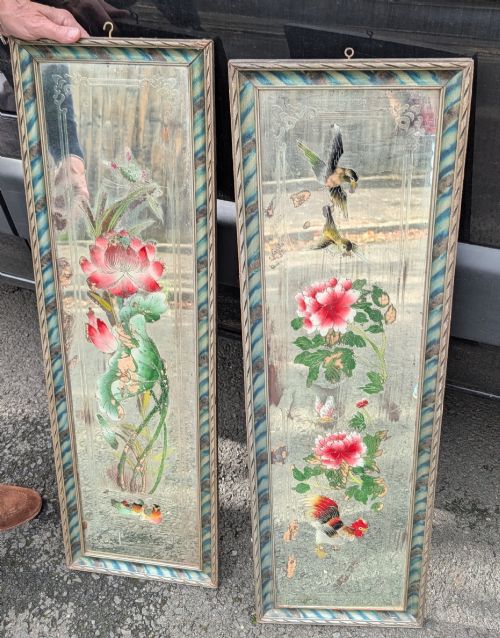
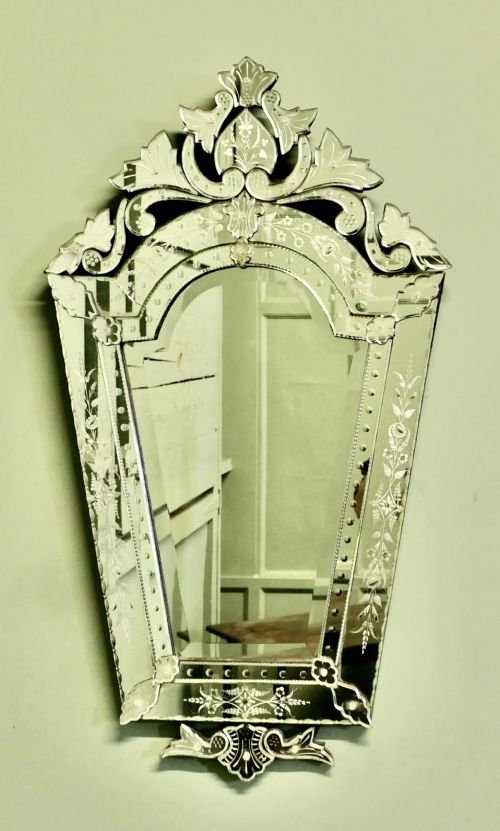

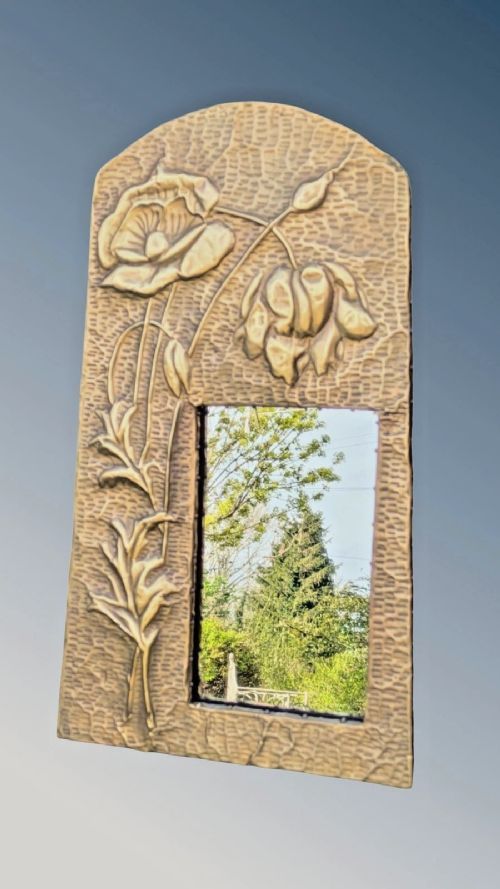

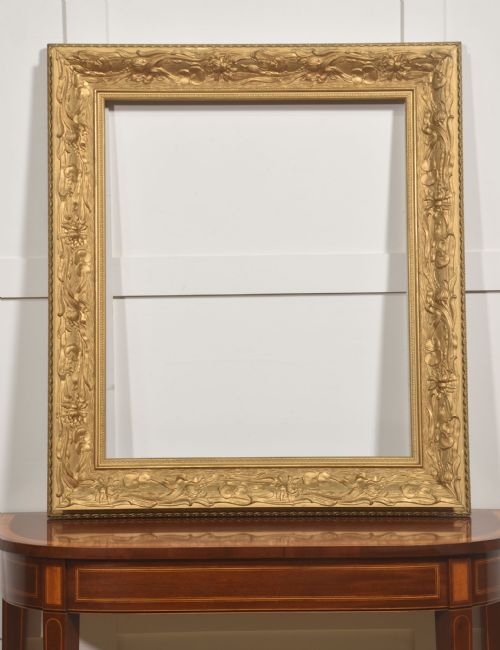


Floral Art Mirror
These floral art mirror pieces combine botanical motifs with reflective glass across periods from the eighteenth century to the mid twentieth century.
Floral Art Mirror
A floral art mirror brings together decorative botanical designs and reflective glass, drawing on styles such as Art Nouveau, Art Deco, and Arts and Crafts. Pieces span the late nineteenth century through to the mid twentieth century, including Edwardian and Georgian examples.
Buyers frequently encounter wall mirrors and smaller hand mirrors featuring brass, copper, and carved wood frames. These items showcase floral carving, inlay, and etched glass details that reflect the natural forms favoured by makers of each period.
Materials and construction
Frames utilise natural timbers such as mahogany, walnut, oak, and carved pine, alongside metals like brass and copper. Gesso and giltwood appear on ornate picture and mirror frames.
Glass is shaped into wall mirrors, trays, and easel pieces, often incorporating etching or peach-tinted panels. Joinery and carving techniques vary from the fluid lines of Art Nouveau to the geometric cuts of Art Deco.
Floral Art Mirror Retail Price Guide 2026
Typical asking prices for floral art mirror among the pieces listed under this phrase on Sellingantiques today, from the lower quarter to the upper quarter. They describe what is for sale here now, not the wider market.
Several mirrors in the collection feature charming hand-etched floral details designed to make you smile every time you check your reflection.
Assessing quality
Quality rests in the precision of the carving, the crispness of the etching on the glass, and the integrity of the frame construction. Hand-carved wooden details and well-finished metalwork separate finer examples from standard production pieces.
The clarity of the mirrored glass and the preservation of original metal frames or wooden inlays dictate the overall standard. Pieces retain greater appeal when original materials show minimal alteration over time.
The Floral Art Mirror Glossary
- Art Nouveau
- A style popular around nineteen hundred characterised by fluid, organic lines and floral motifs. This movement heavily influenced the design of frames and mirrors from the era.
- Art Deco
- A twentieth-century design style favouring bold geometric shapes, stylised patterns, and streamlined forms. Pieces from this period often feature clean lines alongside decorative glass panels.
- Arts and Crafts
- A movement prioritising traditional craftsmanship and simple natural materials. Objects in this style display honest construction and handcrafted metal or wood elements.
- Gesso
- A plaster-like material applied to wooden frames and carved or moulded into decorative patterns. It provides a smooth base for subsequent gilding or painting.
- Venetian mirror
- A style of mirror featuring engraved or etched glass panels assembled around a central plate, often incorporating decorative glass floral elements.
Floral Art Mirror: Frequently Asked Questions
How do I date a mirror?
Dating relies on examining the construction methods of the frame, the type of wood or metal utilised, and the characteristics of the glass plate. Stylistic details like organic floral carving point towards earlier periods.
Later pieces often display geometric frames or etched patterns typical of the mid twentieth century. Comparing the backing materials and fixings helps confirm the likely era of manufacture.
Where should I hang a wall mirror?
Wall mirrors suit reception rooms, hallways, and bedrooms where they can capture and reflect natural light. Positioning them opposite a window enhances illumination in smaller spaces.
Ensure the wall fixings match the weight of the frame, particularly for heavier wooden or metal examples. Hanging them at eye level provides the most balanced visual impact.
How do I clean antique glass?
Cleaning requires a soft microfiber cloth and a mild glass cleaner applied sparingly to avoid seeping behind the plate. Harsh chemical sprays should remain away from antique frames and silvered edges.
Vigorous scrubbing risks damaging aged mirror backing and delicate etching. Gentle wiping preserves both the reflective surface and any historic patina on the glass.
What is an easel mirror?
An easel mirror is a portable looking glass supported by a hinged stand at the back, designed to stand upright on a table or dressing chest. These pieces often feature decorative brass or copper frames.
Victorian and Edwardian examples frequently incorporate botanical motifs and floral art designs into the metalwork. They offer a decorative and functional addition to bedroom furnishings.