


Floor Standing Easel
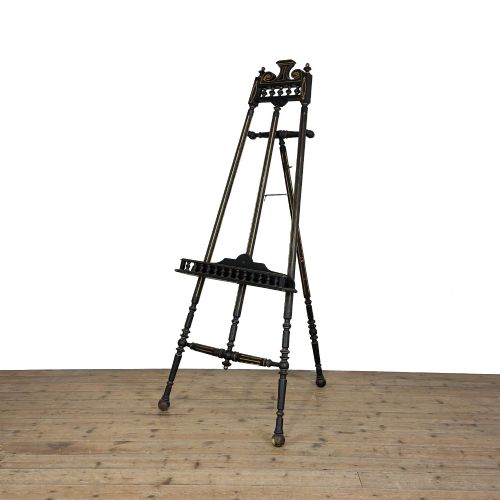
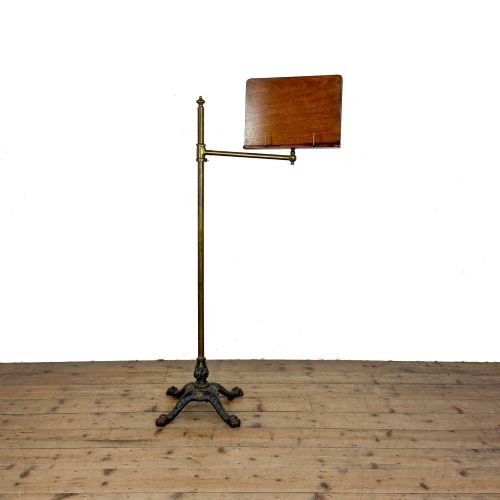
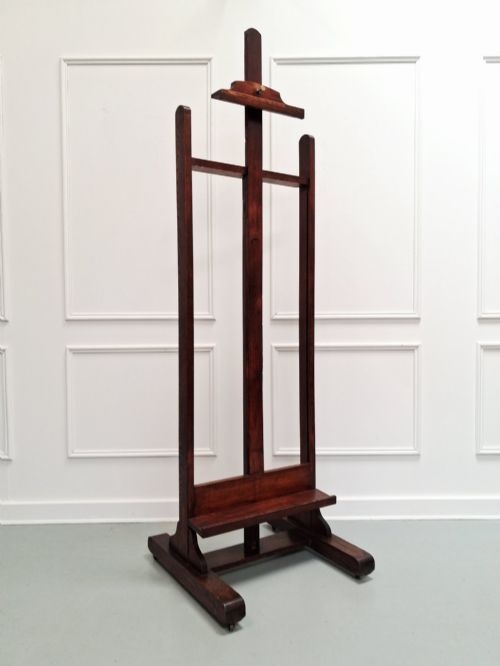
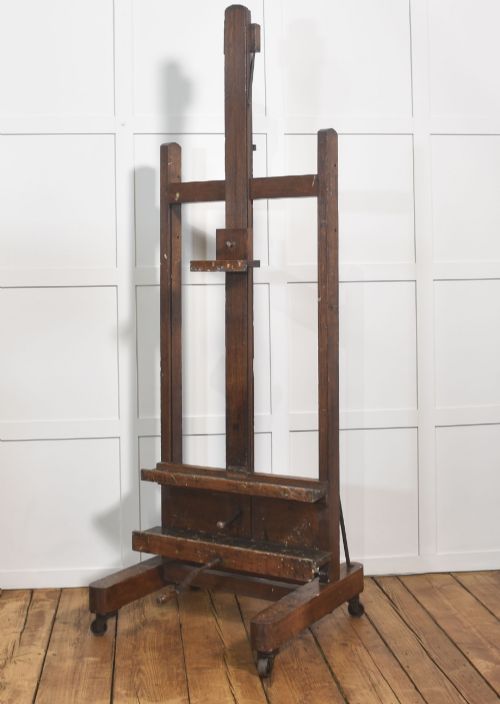
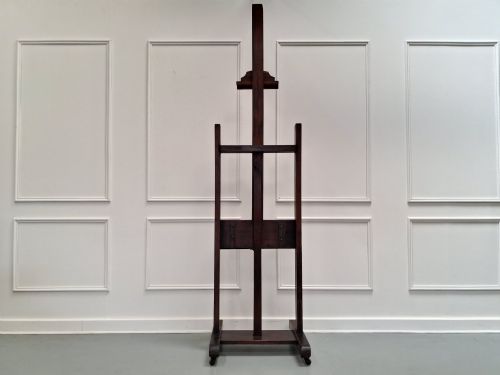
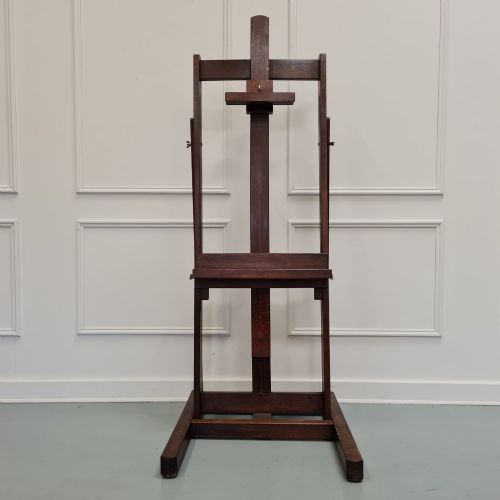
These floor standing easel examples combine solid timber construction with adjustable mechanisms, offering both sturdy support for canvas work and a commanding presence in any room.
Identifying your floor standing easel
A floor standing easel provides a tall, upright support designed to hold a canvas or panel steady during painting or display. Buyers investigating a floor standing easel encounter substantial timber frameworks dating from the nineteenth century onward.
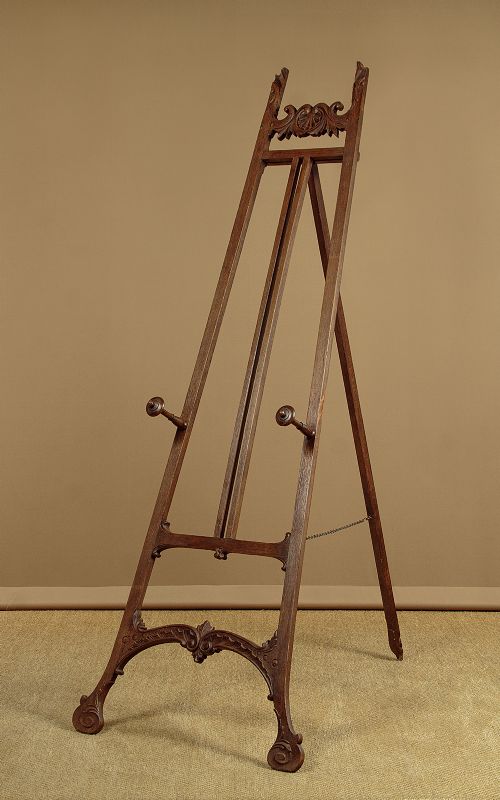
The selections available on this page include distinct regional and historical expressions, spanning Georgian mahogany creations, French late nineteenth-century oak pieces, and fully adjustable studio variants. Each piece reflects the functional requirements of artists and the prevailing furniture aesthetics of its era.
Materials and construction
Construction relies heavily on durable hardwoods such as oak and mahogany, selected for their strength and ability to bear heavy loads without warping. Metal components in brass and iron are integrated into the mechanisms to facilitate height adjustments and angle tilting.
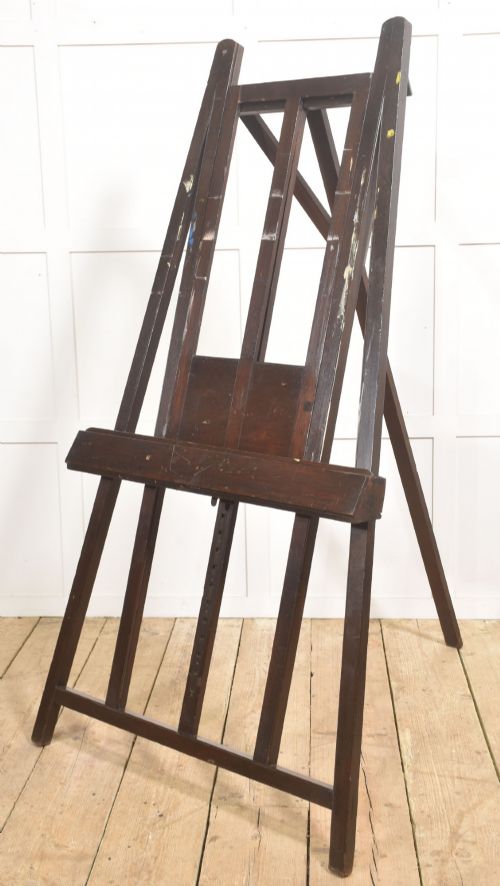
Makers utilised traditional joinery methods to secure the upright posts and base supports, ensuring stability under working conditions. Surface finishes often show traces of historical use, including accumulated paint splashes that document the active life of the studio.
Retail Price Guide 2026
Typical UK retail prices for floor standing easel, calculated from the Sellingantiques database of over a million retail prices indexed since 2003. This retail price guide relies exclusively on Sellingantiques data; no external sources or auction records are used, so the figures do not describe the wider market.
Current listings feature pieces constructed from oak, mahogany, dark hardwood, iron, and brass.
Assessing quality
Quality in a floor standing easel rests on the sophistication of its adjustment mechanism and the integrity of its timber. Superior examples feature smooth, fully operational winding or sliding devices constructed from brass or iron that operate without sticking.
The choice of primary wood also dictates standing quality, with dense mahogany and quarter-sawn oak representing the more refined end of the spectrum. Finer pieces balance robust engineering with balanced proportions, maintaining structural firmness at maximum extension.
The Floor Standing Easel Glossary
- Studio easel
- A heavy, stable floor standing easel designed primarily for indoor painting rather than outdoor sketching. These pieces often incorporate complex pulley or ratchet systems.
- Quarter-sawn oak
- A method of timber cutting that produces a distinctive decorative grain pattern while offering superior dimensional stability. This material resists warping under tension.
- Winding mechanism
- A mechanical assembly using a handle and screw thread to raise or lower the central shelf holding the canvas. It allows precise height control under heavy loads.
- Georgian
- A stylistic period spanning the eighteenth and early nineteenth centuries characterised by formal symmetry and rich mahogany timbers. Pieces from this era show traditional cabinet-making standards.
Frequently Asked Questions
How do I adjust the height?
Adjustment relies on integrated mechanical components such as sliding brackets or winding handles secured by metal pins. Users loosen the locking mechanism to reposition the central shelf to the desired working level.
Ensuring the support remains balanced prevents slipping when heavy canvases rest upon the ledge. Regular light lubrication helps metal parts move smoothly within their wooden channels.
Can I use these for displaying art?
These frames function effectively for exhibiting finished paintings, framed photographs, or heavy mirrors in domestic and gallery settings. Their substantial footprint provides safe equilibrium for valuable display items.
Placing the piece on an even floor surface secures the display against tipping. Adjusting the tilt angle helps manage glare from room lighting.
How do I date a wooden easel?
Dating depends on observing timber choices, construction joinery, and the design of the adjusting hardware. Georgian examples typically feature rich mahogany and hand-cut joinery, while later nineteenth-century pieces often incorporate more complex iron or brass machinery.
Surface wear patterns and original fixing screws also offer clues to the manufacturing decade. Comparing the overall silhouette against known period furniture styles confirms the era.
How do I clean an oak frame?
Cleaning requires a soft, dry cloth to remove dust from carved details and flat wooden surfaces. Avoiding harsh chemical sprays preserves the historical patina and any original studio paint marks.
Applying a traditional beeswax polish nourishes dry timber and protects the grain from moisture. Metal fittings benefit from gentle wiping with a dry brush to clear debris.