





Floor Standing Book Stand
A floor standing book stand is a practical piece for holding volumes upright in a study or library.
Floor Standing Book Stand
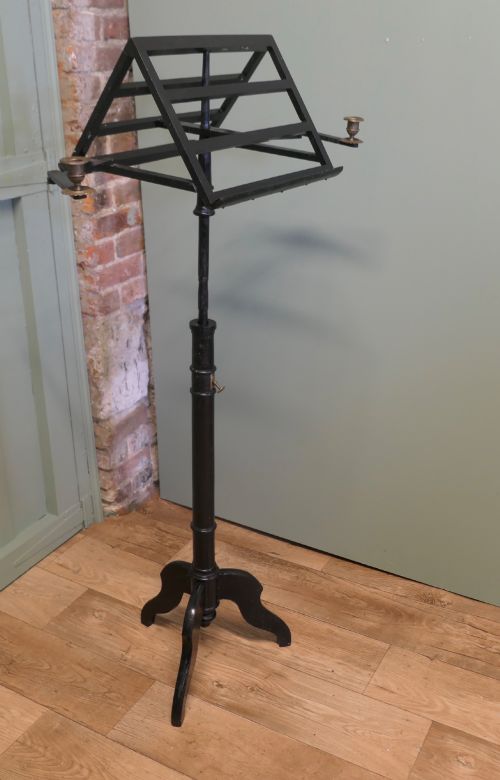
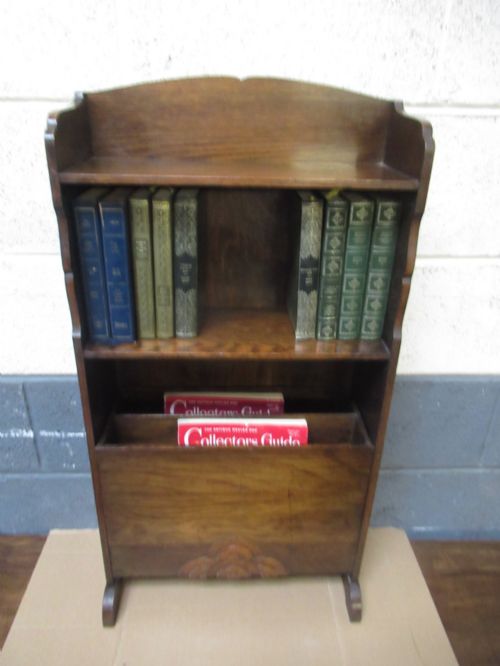
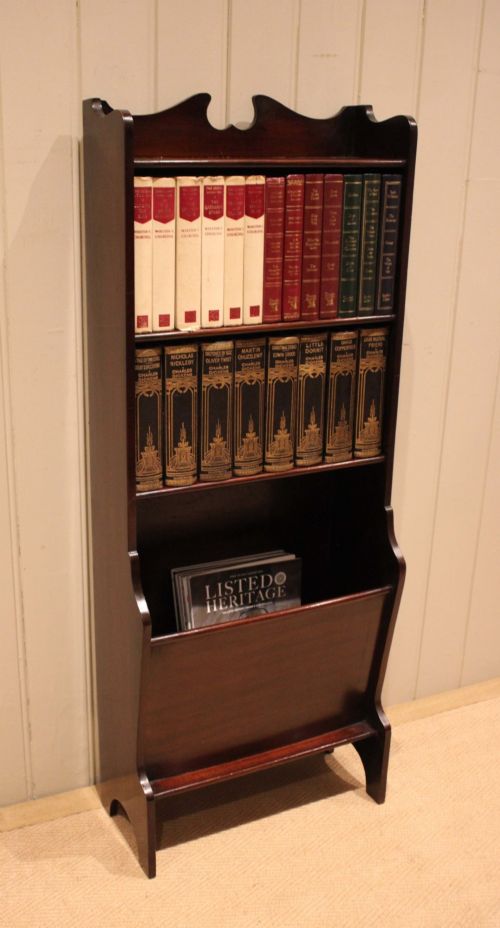
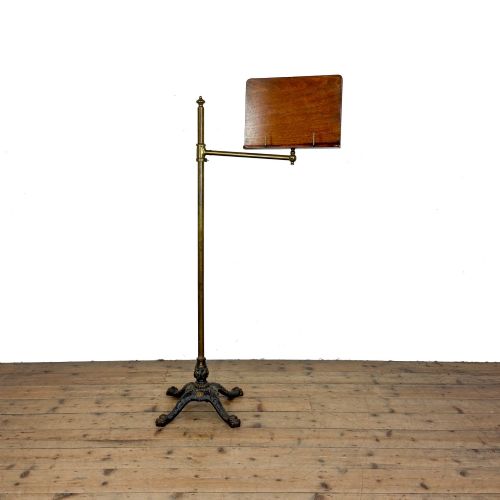
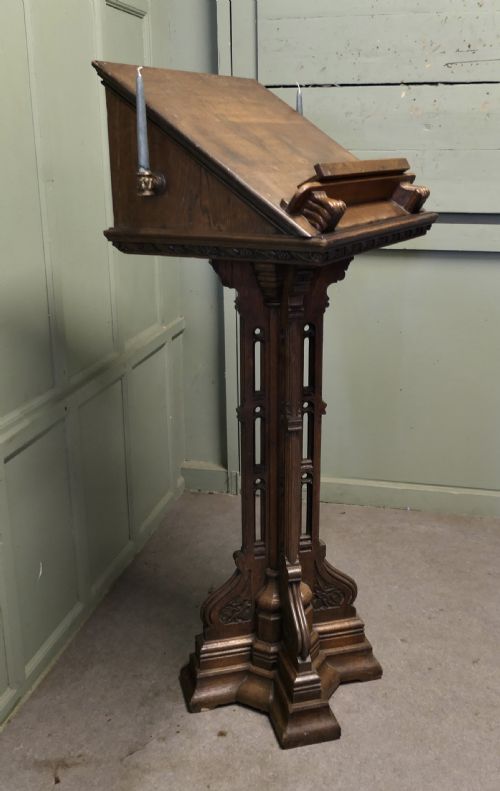
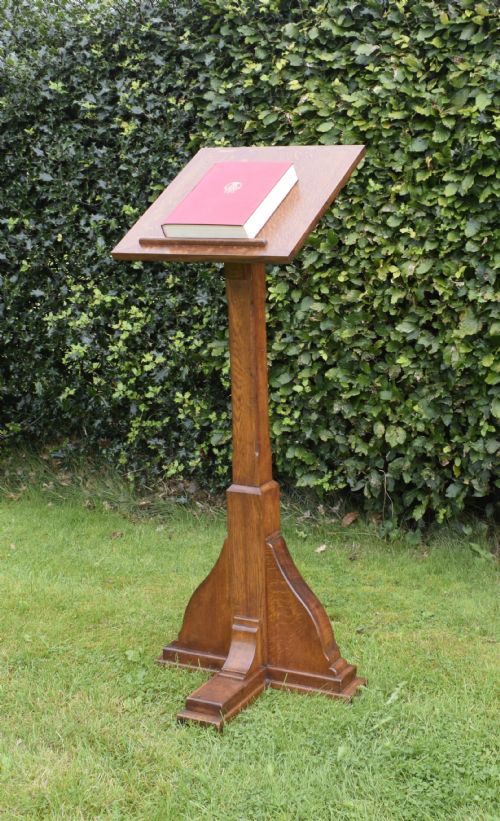
A floor standing book stand encompasses bookcases, lecterns, reading stands, music stands, and magazine racks designed to hold reading material at a convenient height. When searching for a floor standing book stand, buyers encounter a variety of forms ranging from revolving magazine stands to carved reading podiums and open bookcases.
The pieces on this page span the 19th Century, Victorian period, Edwardian era, and the 1930s, reflecting changing domestic requirements for storing and reading texts. Common functional types include adjustable reading stands, library stands, book troughs, and heavy lecterns intended for steady use.
Materials vary widely across the selection, including oak, mahogany, walnut, pine, brass, cast iron, and painted wood, often paired with specific historical styles such as Gothic Revival, Arts and Crafts, Art Deco, and Georgian Revival.
How they were made
Cabinet makers and metalworkers utilised solid and veneered timbers alongside cast metals to build these stands, combining sturdy woods like oak, mahogany, and walnut with brass and cast iron mechanisms. Many examples feature carved wooden details, painted finishes, or ebonised surfaces.
Adjustable reading stands and music stands incorporate mechanical joints, pivoting ledges, and rotating tiers made from brass and iron to alter the angle and height of the resting book. Book presses employ heavy wooden screws and frames to flatten paper.
Construction methods range from simple open shelving in pine and oak to sophisticated revolving columns in mahogany with brass fittings and detailed wood carving.
Floor Standing Book Stand Retail Price Guide 2026
Typical asking prices for floor standing book stand among the pieces listed under this phrase on Sellingantiques today, from the lower quarter to the upper quarter. They describe what is for sale here now, not the wider market.
The listings on this page include pieces made from brass, oak, mahogany, pine, cast iron, walnut, and painted wood.
What varies in quality
Quality in a floor standing book stand rests upon the selection of timber, the weight and durability of metal adjustments, and the crispness of any carved ornamentation. Heavier hardwoods like mahogany and oak generally indicate sturdier construction than lighter pine or basic painted wood.
The complexity of the mechanism also distinguishes the pieces, such as smoothly rotating brass revolving stands or finely threaded adjustable reading frames compared to fixed shelves. Finer examples show careful attention to joinery and proportion, particularly in smaller bookcases and reading podiums.
Harrods
The Floor Standing Book Stand Glossary
- Lectern
- A slanted reading desk designed to support a book at an angle for a standing reader. These often feature carved wooden structures or adjustable stems.
- Book trough
- A V-shaped open receptacle for holding books upright on a flat surface or stand. This form keeps volumes accessible without requiring traditional shelving.
- Book press
- A mechanical device using a heavy screw mechanism to apply pressure to books. It was typically used for flattening paper or binding volumes.
- Revolving stand
- A bookcase or rack mounted on a central pivot allowing it to turn freely. This design provides access to books from multiple angles in a tight space.
Floor Standing Book Stand: Frequently Asked Questions
What is a floor standing book stand used for?
These stands serve to hold, display, or store books, magazines, and reading materials in domestic and institutional spaces.
Different formats support specific tasks, such as lecterns for reading aloud, revolving stands for quick access, and bookcases for general storage.
How do I identify the period of a stand?
Dating relies on observing the combination of timber, construction methods, and stylistic cues present in the piece.
Victorian and 19th-century items often display heavier carving and distinct brass hardware, whereas Edwardian and 1930s pieces lean towards lighter proportions or distinct period revivals.
Are these stands suitable for modern rooms?
The variety of compact forms, including small bookcases, magazine racks, and adjustable stands, allows them to fit easily into contemporary interiors.
Their functional nature means they serve well beside armchairs, desks, or in narrow hallways.