



Floor Book Stand
These floor book stand pieces span the nineteenth century through the nineteen-thirties, offering sturdy wooden lecterns, revolving stands, and adjustable reading desks for home libraries.
Floor Book Stand
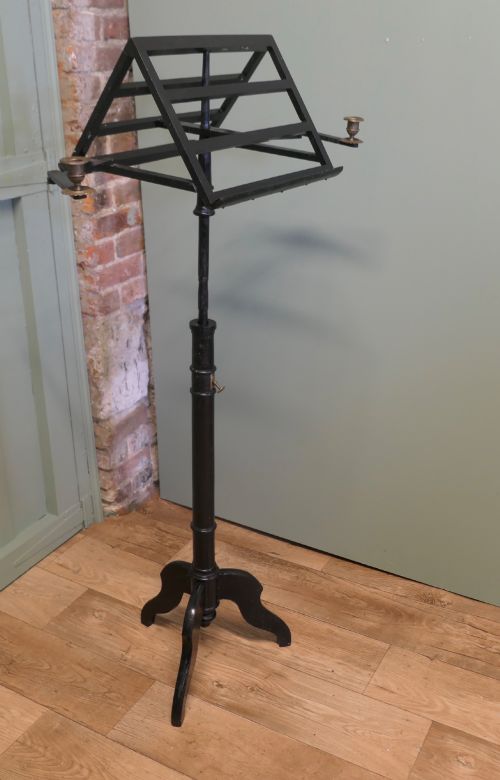
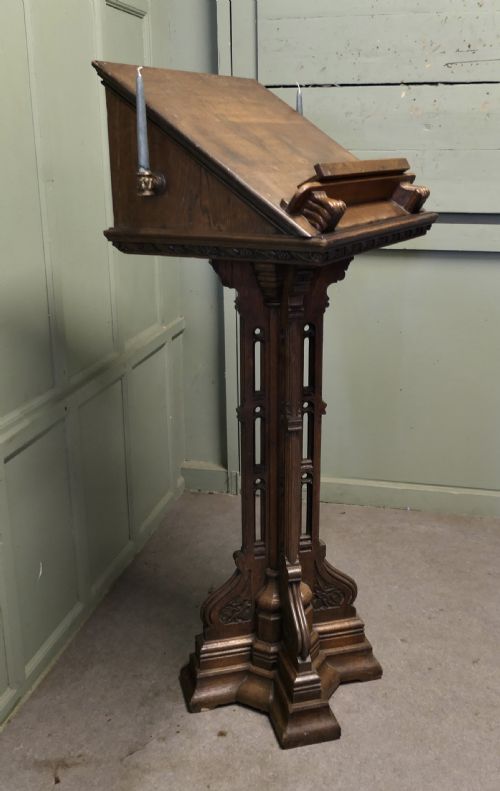
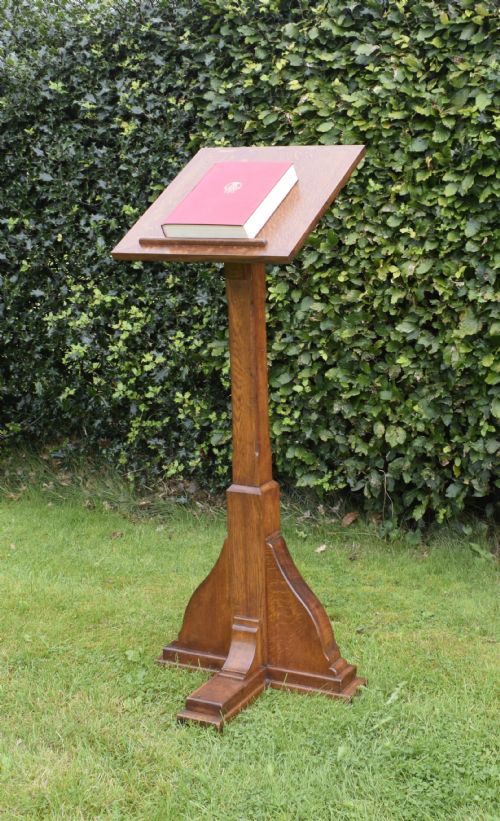
When you search for a floor book stand, you encounter a practical mix of reading furniture designed to hold volumes at a convenient height for study or display. The examples on this page range from nineteenth-century Victorian designs to nineteen-thirties pieces, encompassing lecterns, music stands, and bookcase hybrids.
You are most likely to meet oak and mahogany pieces from the Victorian and Edwardian periods. These vary from simple pine and oak lecterns to revolving brass-mounted mahogany magazine stands and carved reading pods.
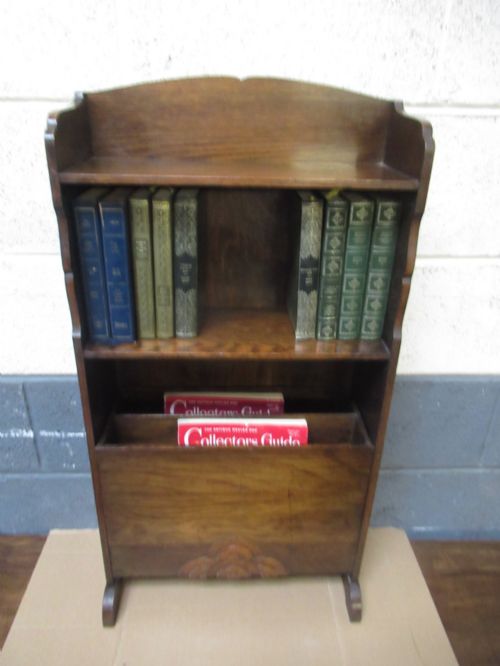
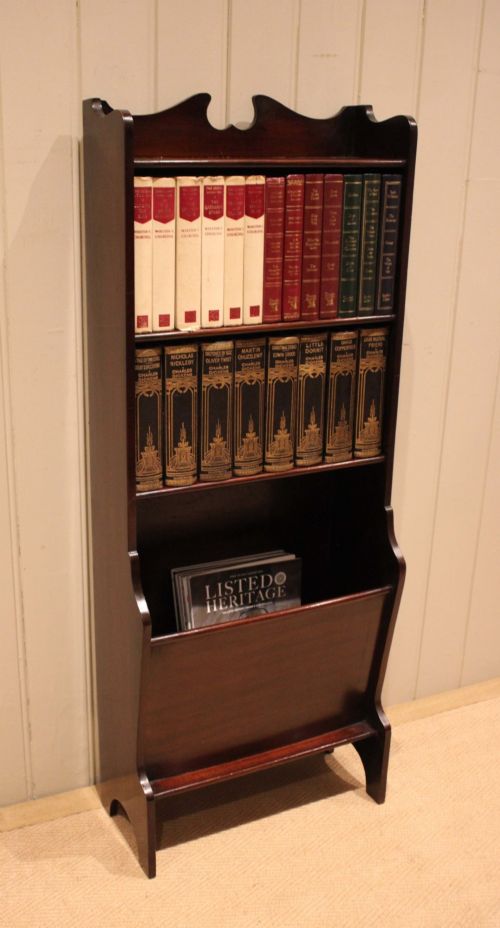
The assortment includes specialised forms like book presses, waterfall bookcases, and adjustable reading stands. Each piece serves the traditional function of supporting books, periodicals, or menus in domestic and institutional settings.
Materials and construction methods
Cabinetmakers utilised hardwoods such as oak, mahogany, and walnut, alongside pine and painted wood, constructing these stands to withstand daily use. Joinery techniques reflect the prevailing style of each era, from Gothic Revival carving to clean Arts and Crafts lines.
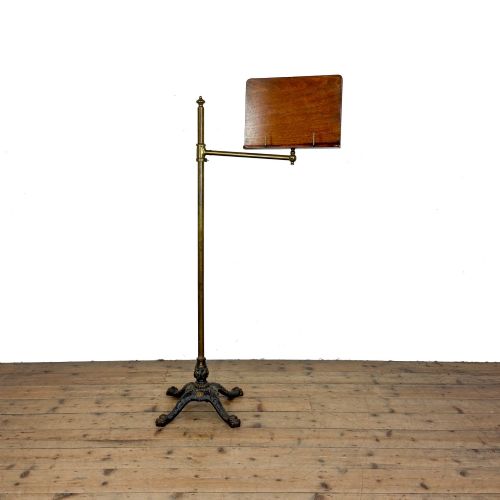
Metal components appear frequently in brass and cast iron, particularly for the adjustable mechanisms on reading and music stands. Ebonised finishes and carved details, such as wooden eagles, show the decorative attention given to functional library furniture.
Floor Book Stand Retail Price Guide 2026
Typical asking prices for floor book stand among the pieces listed under this phrase on Sellingantiques today, from the lower quarter to the upper quarter. They describe what is for sale here now, not the wider market.
Someone once carved a majestic wooden eagle to hold your heavy parish hymns.
Judging construction and material quality
Quality in a floor book stand depends on the selection of timber and the precision of its moving parts. Solid oak and figured mahogany demonstrate superior material choice compared to basic pine or secondary woods.
The refinement of the carving and the smooth operation of adjustable brass mechanisms separate standard utility items from finer workshop productions. Better examples maintain structural stability while offering fluid adjustment for reading angles.
Harrods
The Floor Book Stand Glossary
- Lectern
- A slanted reading desk designed to support a book at an angle for standing use. These often feature adjustable stems or sturdy pedestal bases.
- Book Trough
- An open-topped container for holding books upright on a desk or floor stand. This form keeps volumes accessible for daily reference.
- Revolving Stand
- A rotating bookcase or magazine rack mounted on a central axis. This mechanism allows easy access to multiple sides of shelving without moving the base.
- Book Press
- A heavy mechanical device with a screw mechanism used for flattening paper or binding books. Victorian examples in oak combine utility with substantial joinery.
- Ebonised
- Wood finished with a dark stain or paint to imitate ebony. This treatment was popular on nineteenth-century stands to create a formal contrast.
Floor Book Stand: Frequently Asked Questions
What is a floor book stand used for?
These stands provide a dedicated surface for holding open books, sheet music, or periodicals at a comfortable reading angle. They serve scholars, musicians, and readers who need hands-free reference.
Historically placed in studies, libraries, and music rooms, they keep heavy volumes accessible and protect bindings from flat table wear.
How do I date a wooden reading stand?
Dating relies on identifying the timber, construction methods, and stylistic cues present in the piece. Victorian examples often feature rich mahogany or heavy carved oak.
Later pieces from the nineteen-thirties adopt simpler lines and different hardware. Comparing the joinery to known period furniture helps narrow the decade.
How do I fit a tall lectern into a modern room?
A lectern or reading stand works well as a focal point in a home office or library corner. Its vertical profile occupies minimal floor space.
Positioning the stand near an armchair or beside bookshelves creates a functional reading station that integrates naturally with traditional or eclectic decor.