

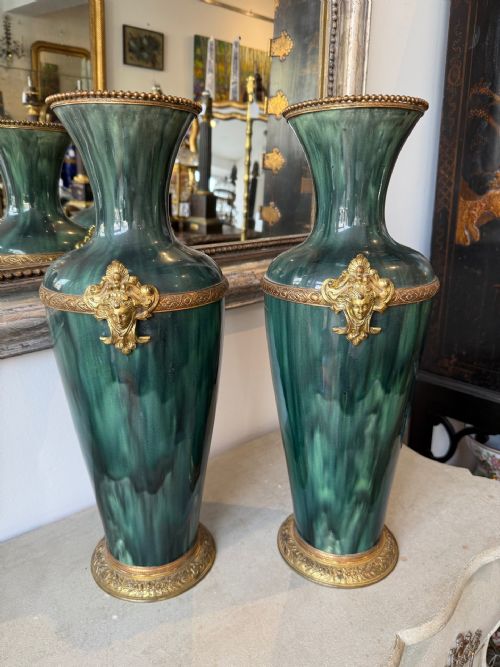


Flambe Glazed Ceramic
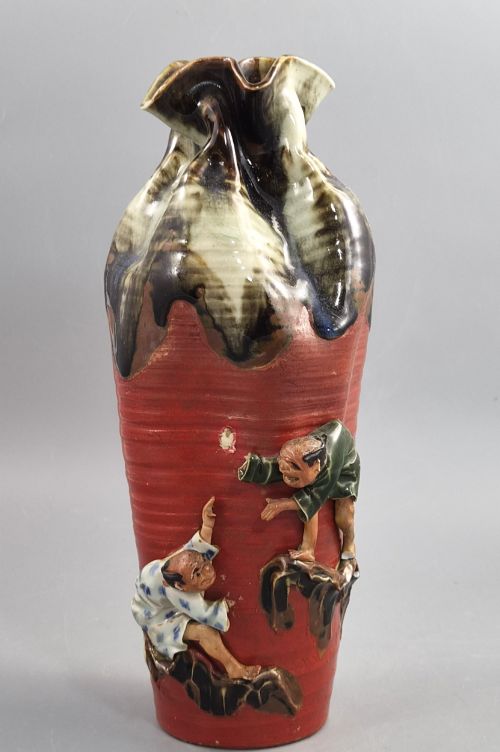
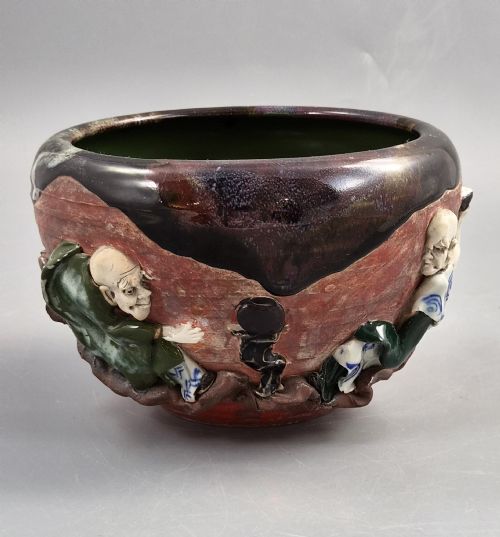
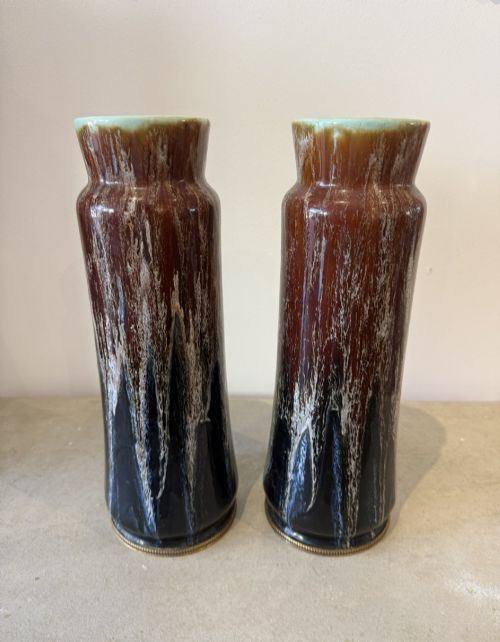
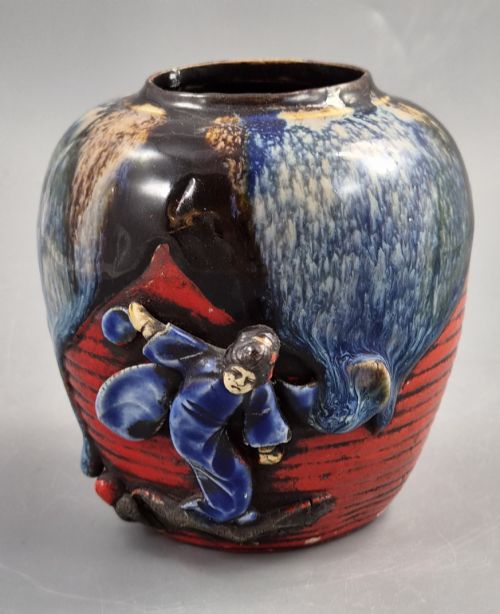
These flambe glazed ceramic pieces draw the eye with their rich, streaked surfaces and distinct forms.
Flambe Glazed Ceramic
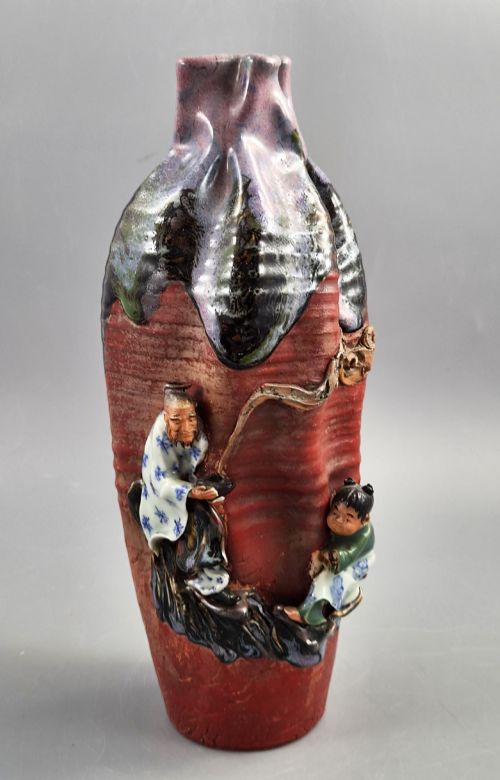
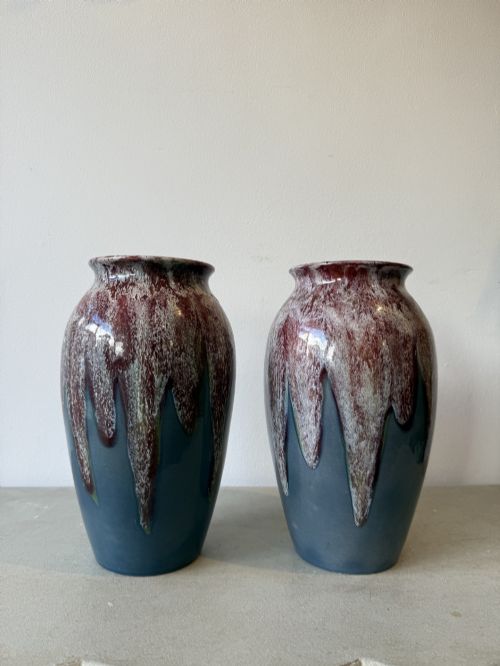
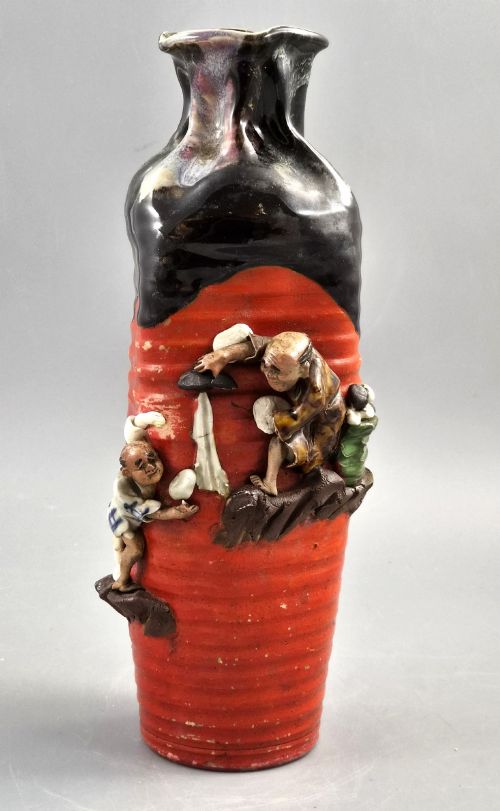
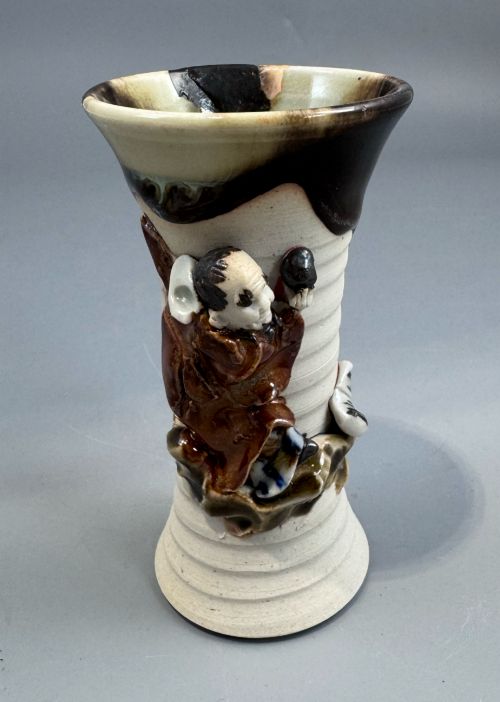
When searching for flambe glazed ceramic, buyers encounter vessels and decorative objects from diverse origins and periods, spanning the eighteenth century to the twentieth century. The selection leans heavily towards Japanese Sumida Gawa art pottery vases and jars featuring applied figures, alongside Chinese pieces and European studio pottery.
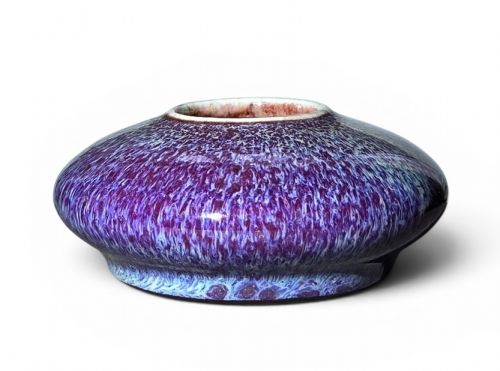
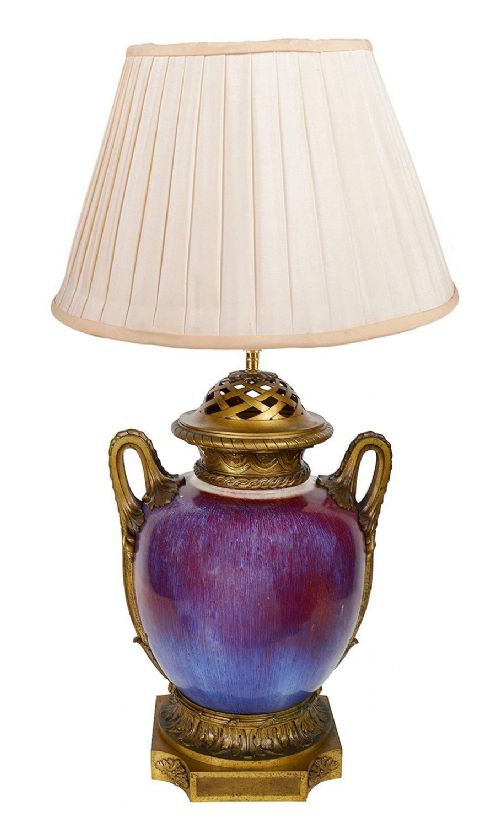
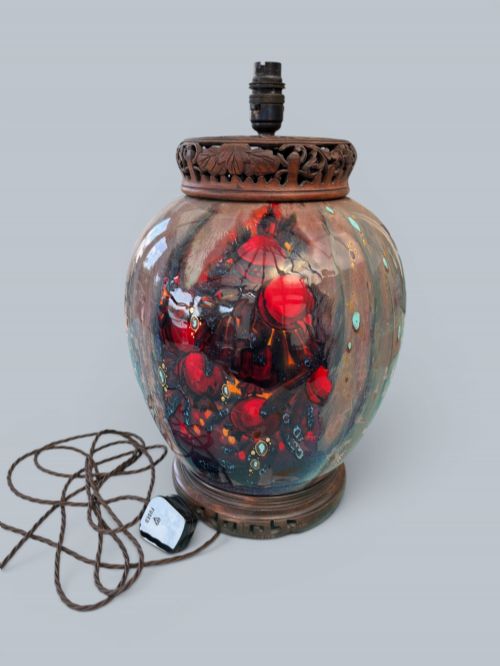
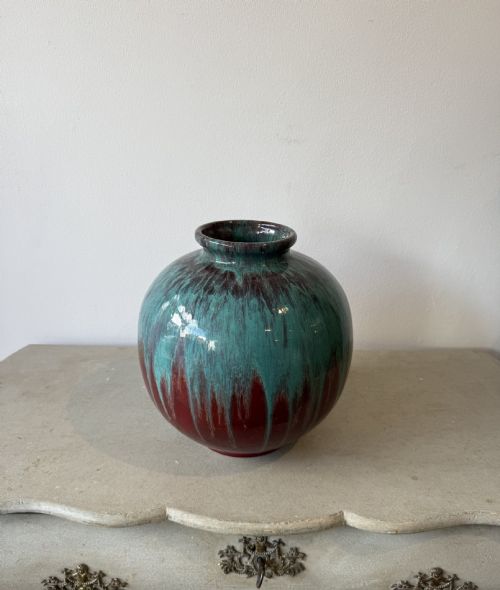
Vessels take many forms, including baluster vases, table lamps, bowls, brush washers, and teacups. Japanese examples from the Meiji and Taisho periods often display pinched rims and modelled figures climbing the exterior, whilst older Chinese works showcase deep oxblood and sang de boeuf tones.
How they were made
Makers utilised stoneware, earthenware, porcelain, and terracotta as foundations for these complex finishes. Glazes were applied in thick layers and subjected to reduction firings in kilns, causing metallic oxides to run and mingle.
Japanese pieces frequently incorporated applied clay figures in relief, modelled by hand and attached before firing. European and Chinese workshops focused on the chemistry of the glaze itself, producing mottled, drip, and flambé effects across the ceramic body.
Flambe Glazed Ceramic Retail Price Guide 2026
Typical asking prices for flambe glazed ceramic among the pieces listed under this phrase on Sellingantiques today, from the lower quarter to the upper quarter. They describe what is for sale here now, not the wider market.
Several vases feature small clay figures stubbornly climbing the outside walls, seemingly trapped mid-climb in the running glaze.
What varies in quality
Quality rests in the control and depth of the glaze run, where accidental chemical reactions produce harmonious colour transitions rather than muddy surfaces. The finest examples display vibrant blues, lavenders, and reds that pool naturally across the contours of the vessel.
Sculptural integration also dictates worth in figural works, where modelled figures show crisp detail and secure attachment to the stoneware body. Signed pieces by recognised makers demonstrate superior craftsmanship compared to unmarked commercial output.
Inoue Ryosai·Ban-ni·Ishiguro Koko·Hiroshi·Boch Freres·Moorcroft·Royal Doulton
The Flambe Glazed Ceramic Glossary
- Flambe glaze
- A lustrous, streaked ceramic finish achieved through complex kiln reactions using metallic oxides. It often results in dramatic shifts between red, purple, and blue.
- Sumida Gawa
- A style of Japanese art pottery originating from the banks of the Sumida River, known for heavy dripping glazes and applied figures in high relief.
- Sang de boeuf
- A deep red oxblood glaze developed in China, prized for its rich tone and subtle tonal gradations across porcelain and stoneware.
- Brush washer
- A small scholarly vessel traditionally used in East Asia for rinsing writing brushes, often formed as a compressed bowl in fine ceramics.
- Stoneware
- A robust ceramic body fired at high temperatures until vitrified, rendering it impermeable to liquid even without glaze.
Flambe Glazed Ceramic: Frequently Asked Questions
What is flambe glazed ceramic?
Flambe glazed ceramic refers to pottery finished with reactive glazes that pool and streak during high-temperature firing. The resulting surface displays dramatic colour variations driven by metallic oxides.
These finishes appear across various traditions, from nineteenth-century Japanese studio pieces to classical Chinese porcelain and twentieth-century European art pottery.
How do I identify Sumida Gawa pottery?
Sumida Gawa pieces are distinguished by their thick, uneven glazes and modelled figures climbing the exterior of jars and vases. They often feature textured clay bodies and signature seals.
Most examples date from the Meiji and Taisho periods, produced in workshops near Tokyo for both domestic use and export.
What is sang de boeuf?
Sang de boeuf is a French term for oxblood red Chinese glazes, highly valued for their deep crimson colour and mottled depth. These finishes date back centuries and were later emulated by Western potteries.
Pieces with this glaze often appear on vases and lamps adapted from earlier vessels.
How should I display these pieces?
Display these ceramics where natural light can catch the reactive surface movement of the glaze. Placing them away from direct foot traffic protects delicate applied figures found on Japanese works.
Pairing them with simple backgrounds allows the varied tones and sculptural reliefs to stand out clearly.