

Five Light Ceiling Light
A five light ceiling light provides a balanced spread of illumination, bringing period character and warm atmosphere to a room.
Five Light Ceiling Light
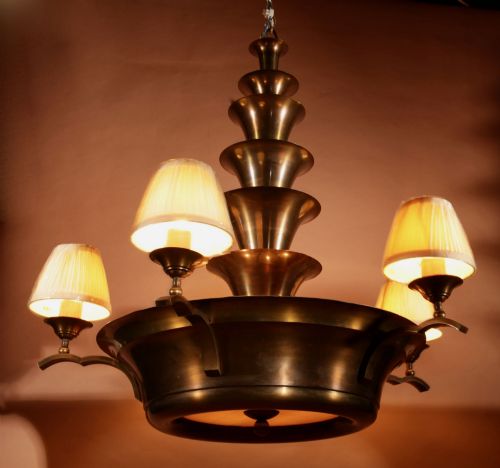
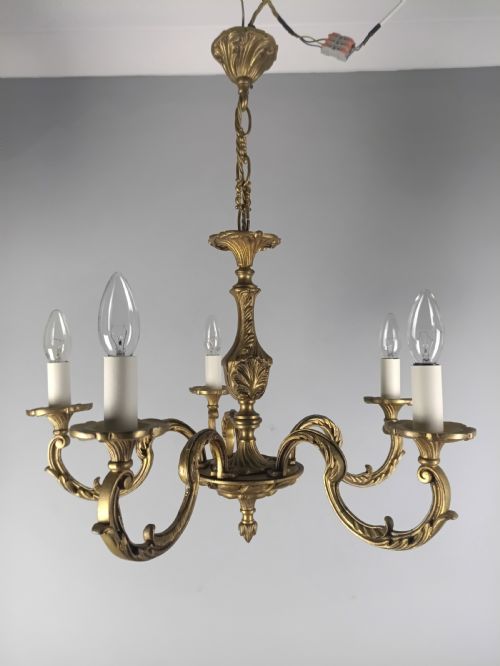
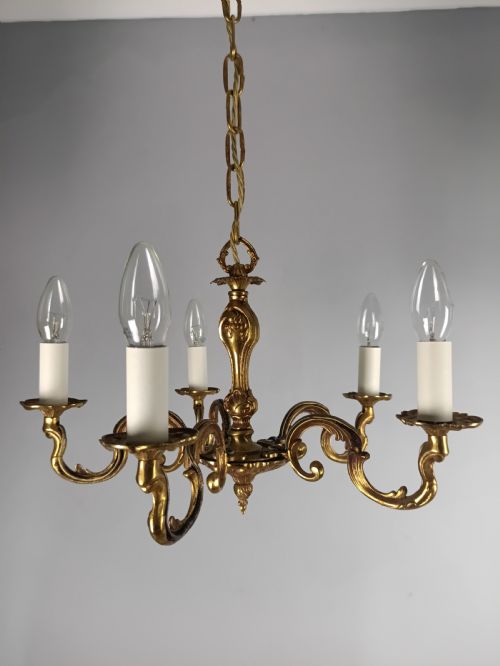
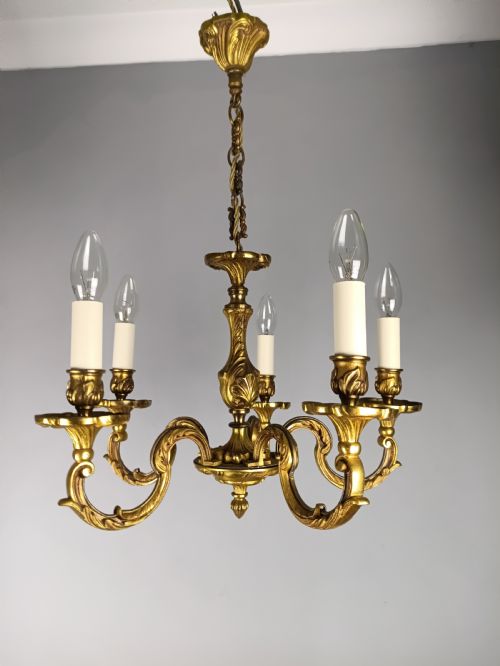
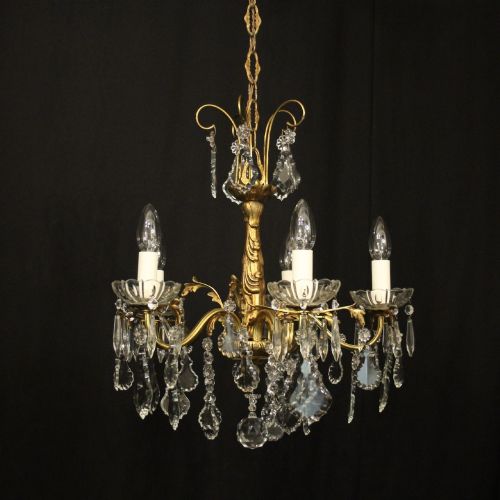
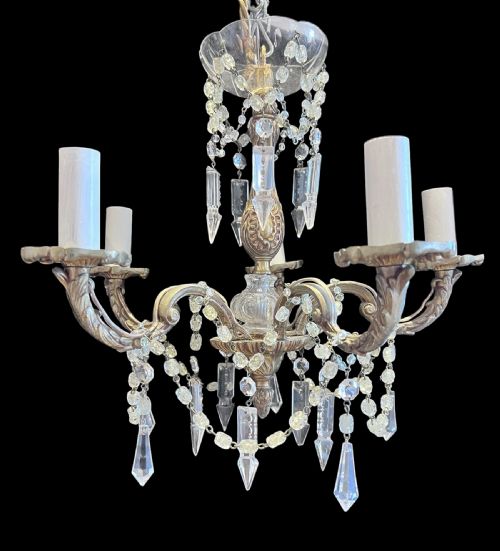
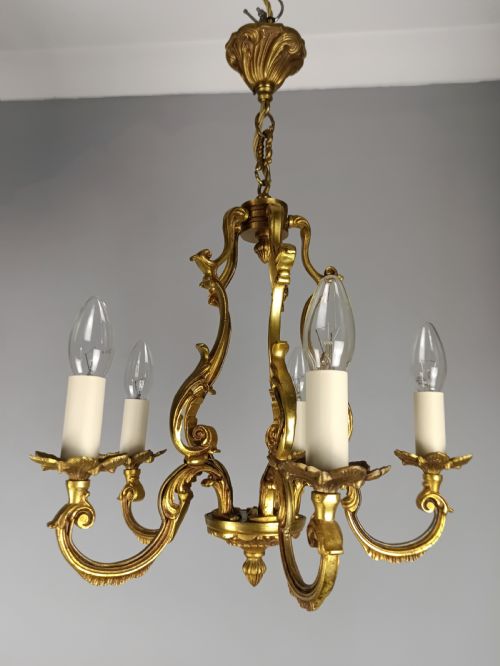
When searching for a five light ceiling light, buyers encounter chandeliers and multi-branched fittings designed to anchor a room from above. These fixtures distribute illumination across five distinct points, creating a measured spread of light suitable for principal living spaces or dining areas.
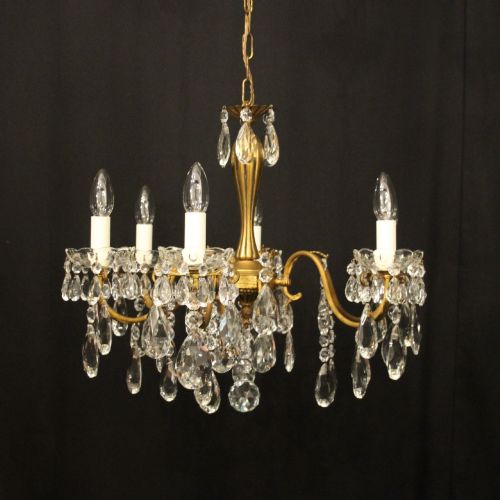
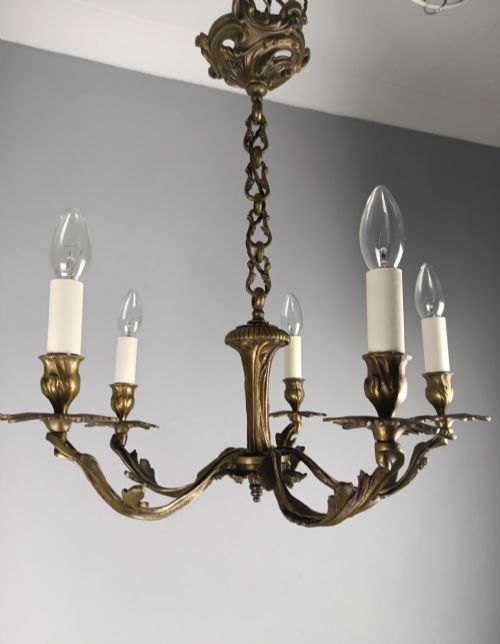
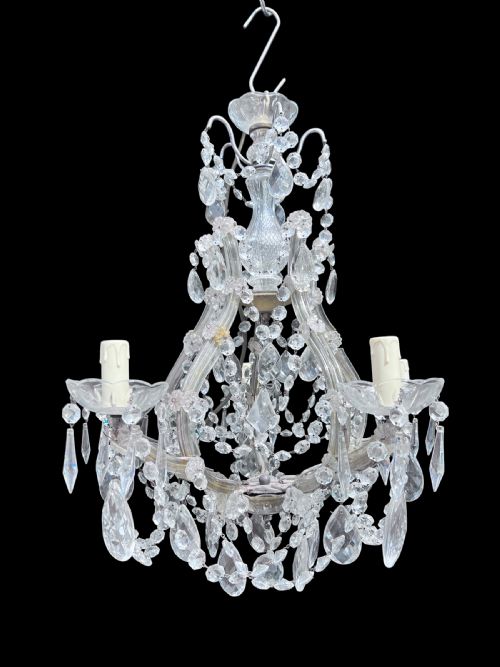
The selections available span multiple periods from the late nineteenth century through the 1930s, encompassing Edwardian brass arms alongside French and Italian designs. French chateau and Rococo influences appear frequently, featuring detailed frames and hanging crystals.
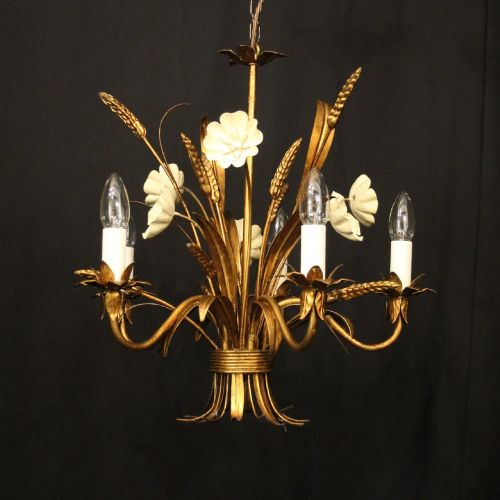
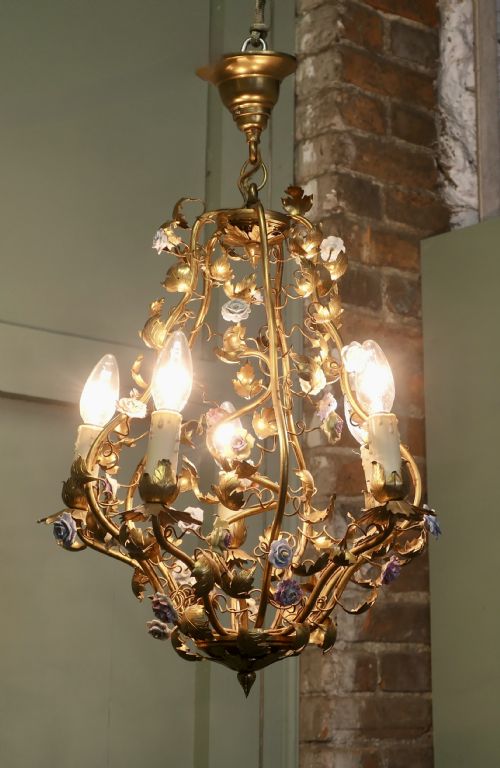
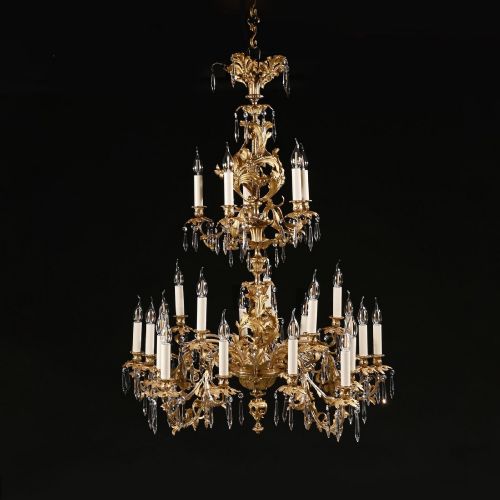
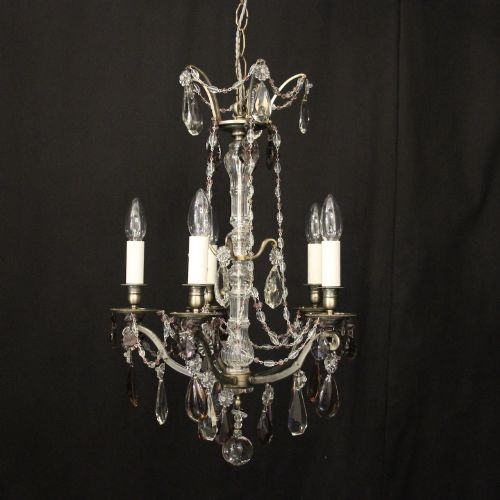
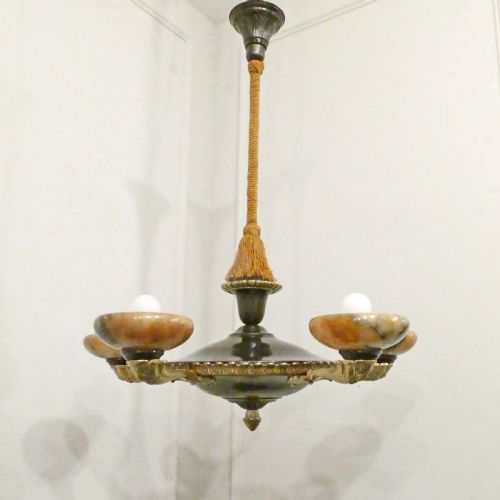
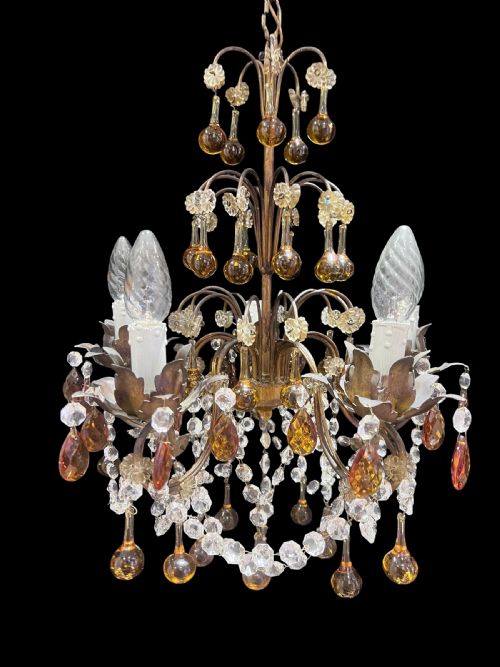
Forms range from compact birdcage frames and wheatsheaf motifs to tiered crystal configurations and robust bronze structures. Italian Florentine giltwood and classical brass interpretations also feature among the choices.
Materials and construction methods
Metals form the structural backbone of these fixtures, with brass, bronze, and gilt metal dominating the construction. Founders utilised casting and chasing techniques on bronze and brass to produce ornate arms, candle sleeves, and decorative backplates.
Glass and crystal elements are integrated through hand-cut pendants, drops, and moulded shades suspended from the central frame. Surface finishes rely heavily on gilding, silver-gilding, and patination applied directly to the metal substrates.
Five Light Ceiling Light Retail Price Guide 2026
Typical asking prices for five light ceiling light among the pieces listed under this phrase on Sellingantiques today, from the lower quarter to the upper quarter. They describe what is for sale here now, not the wider market.
Listings feature pieces from the 1880s through the 1930s, utilising brass, crystal, bronze, and gilt metal in diverse styles.
Distinctions in quality
The standard of a fixture rests upon the crispness of its metal casting and the depth of its applied surface finish. Superior examples display sharply defined ornamentation on bronze or brass components, whereas lesser pieces show softer, shallower detailing from worn moulds.
The quality of the hanging elements further separates grades, with hand-cut crystal and coloured glass pendants providing superior light refraction compared to plain pressed glass. Structural solidity in the arms and central junction ensures the piece hangs true and supports the weight securely.
The Five Light Ceiling Light Glossary
- Chandelier
- A branched ceiling-mounted lighting fixture designed to hold multiple lamps or candles. These fixtures serve as central decorative and functional focal points within a room.
- Gilt bronze
- Bronze metal treated with a thin layer of gold leaf or gold powder. This technique provides a durable metallic finish that resists tarnishing while catching the ambient light.
- Toleware
- Painted or lacquered metalware, often featuring floral motifs or polychrome decoration. It introduces colourful, hand-painted details to light fittings.
- Crystal
- High-purity glass containing lead oxide to increase brilliance and clarity. It is cut and faceted to maximise the refraction of light across a space.
- Birdcage
- A cage-like open metal framework surrounding the central stem of a chandelier. This design style was favoured in French lighting design during the early twentieth century.
Five Light Ceiling Light: Frequently Asked Questions
Where should a five light ceiling light hang?
These fixtures suit central positions in reception rooms, bedrooms, or above dining tables where a balanced spread of illumination is required. Their five-arm configuration distributes light evenly without overwhelming moderate interior spaces.
Ensure adequate ceiling height for clearance, particularly when suspending fittings over furniture or walkways. The scale of the room dictates whether a compact or more ornate frame works best.
How do I identify an Edwardian brass chandelier?
Edwardian brass pieces typically display clean lines, solid construction, and restrained classical ornamentation compared to highly ornate French Rococo styles. They rely on the warm natural tone of polished or patinated brass.
Look for structural simplicity and sturdy multi-arm symmetry that reflects the domestic architecture of the early twentieth century.
What is the difference between gilt bronze and gilt brass?
Gilt bronze involves a heavier, denser metal base that accepts sharp, detailed casting work for intricate decorative motifs. It tends to hold crisp floral and scrollwork definitions.
Gilt brass utilises a softer alloy that is easier to shape into simpler tubular or pressed components. Both finishes provide a golden surface sheen but differ in underlying weight and sculptural depth.
How do I care for crystal drops on a chandelier?
Maintenance involves gentle cleaning with a mild solution and a soft cloth to remove dust without disturbing the hanging wires or pins. Regular dusting prevents grime buildup that dulls the sparkle of cut glass.
Avoid harsh chemical cleaners that can strip gilt finishes from the surrounding metal frame or damage delicate crystal facets.