

Five Light Ceiling Fixture
A five light ceiling fixture brings focused illumination and classical elegance to a room, drawing the eye upwards with brass, bronze, and crystal.
Five Light Ceiling Fixture
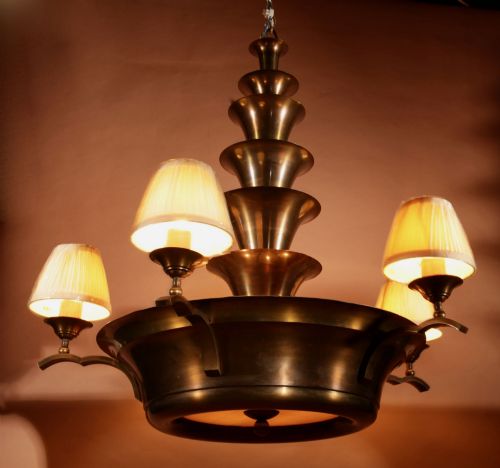
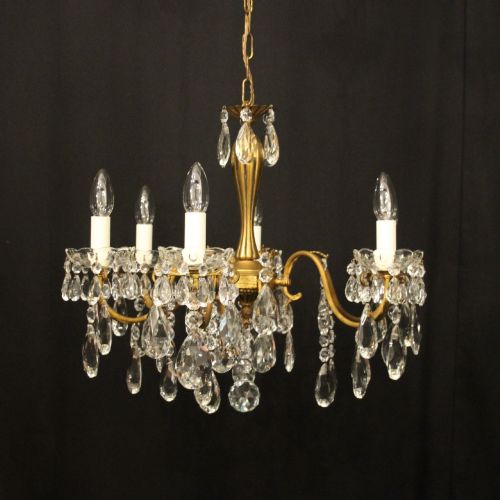
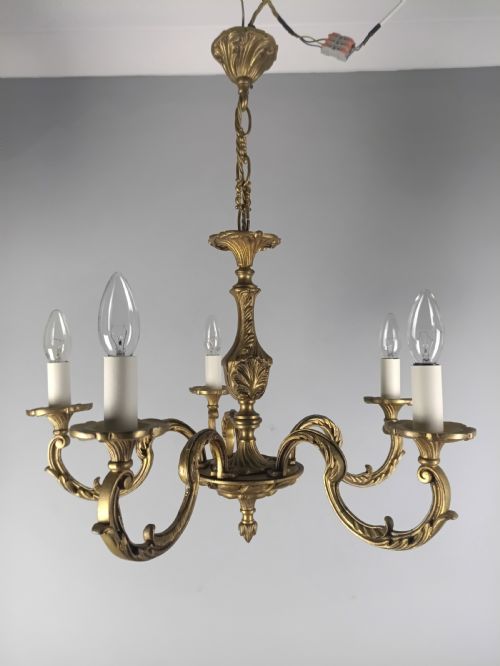
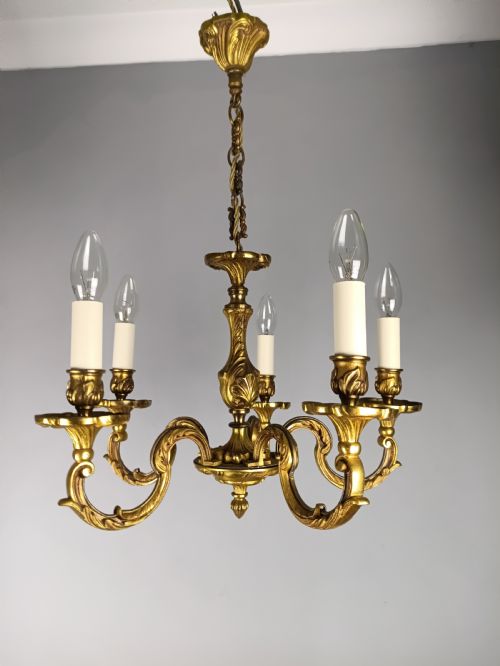
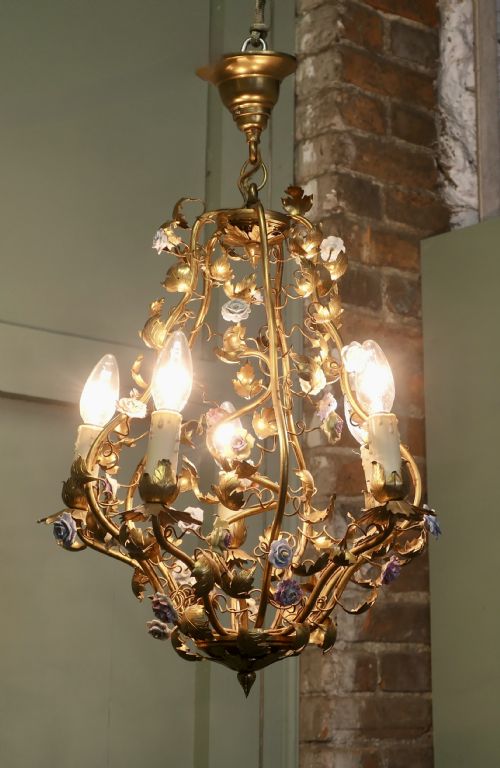
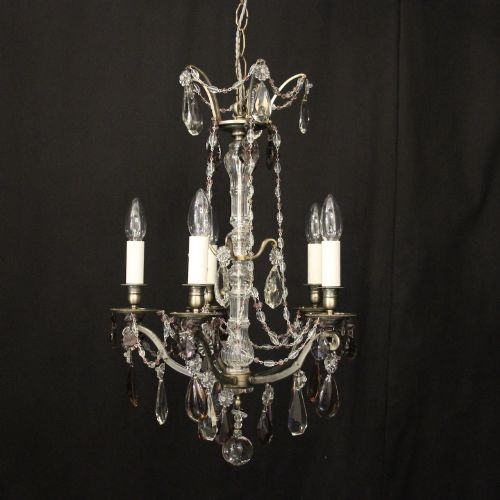
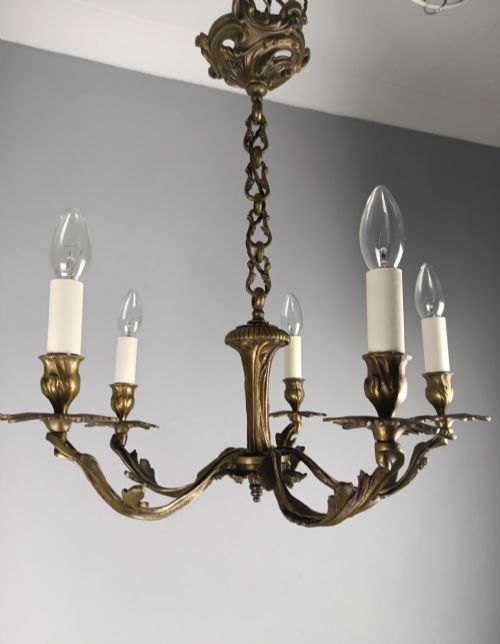
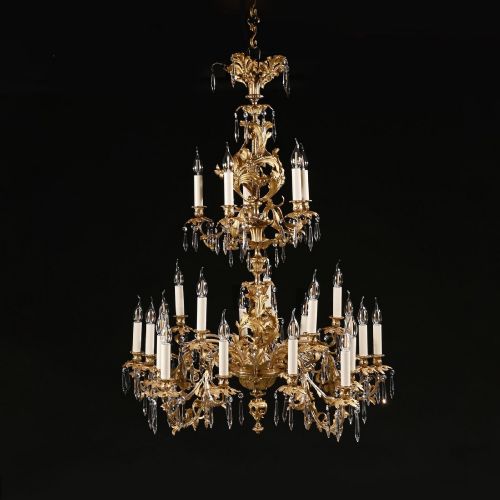
A five light ceiling fixture most frequently appears here as a chandelier, spanning periods from the late nineteenth century through the Art Deco era and the 1930s. These pieces originate predominantly from French and Italian workshops, embracing styles that range from French Rococo and Baroque to Florentine and Italian Classic designs.
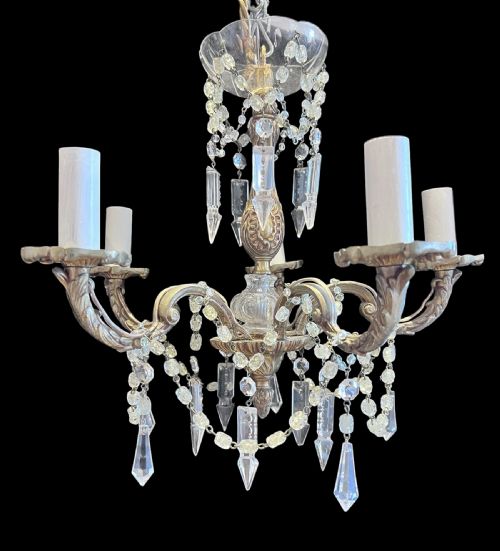
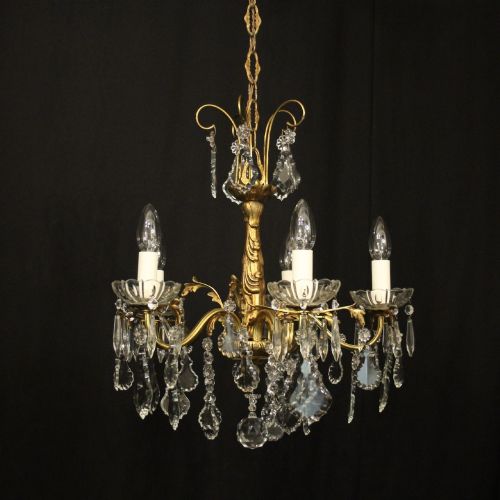
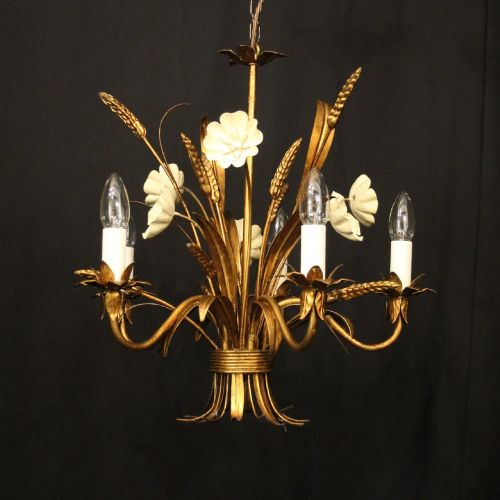
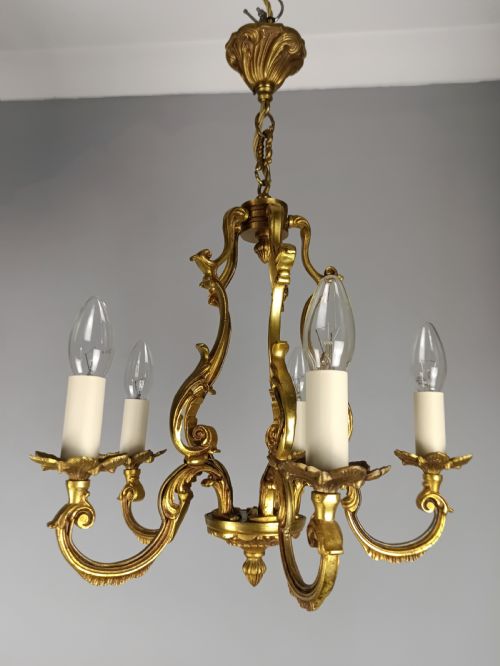
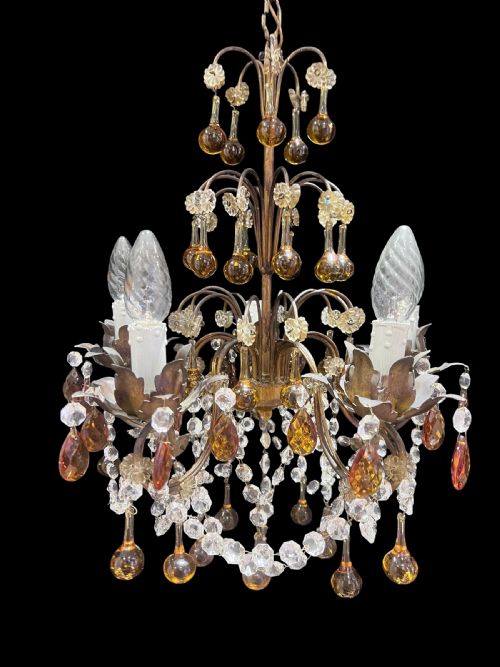
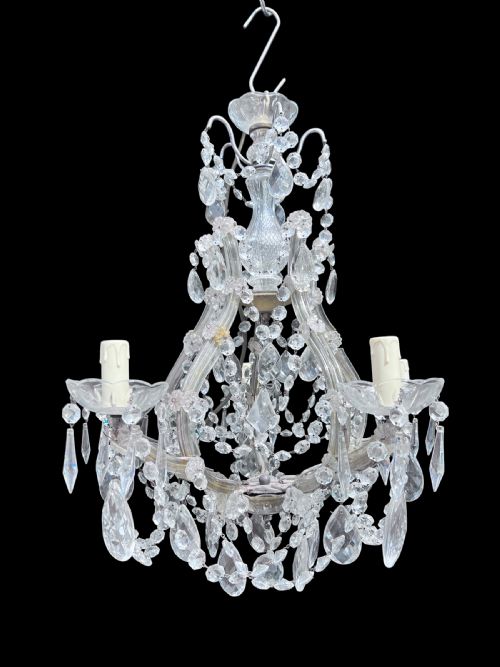
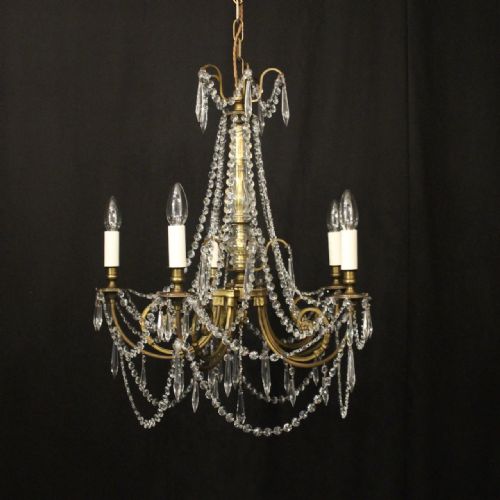
Buyers encounter notable variety in form, including birdcage frames, multi-tier crystal drops, toleware floral motifs, and classical wheatsheaf designs. Metalwork forms the structural core of these fittings, complemented by glass or crystal ornamentation to diffuse the illumination effectively across a space.
Materials and construction methods
The construction relies heavily on cast and chased bronze, brass, and gilt metal, often finished with silver gilding or polychrome paint. Artisans shaped these metals into arms and branches to support the five distinct light points.
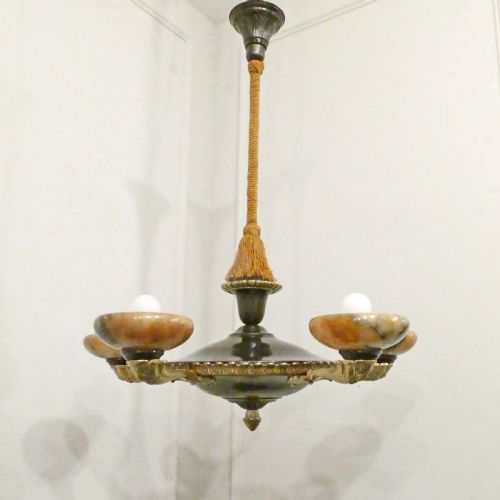
Cut glass and crystal drops, beads, and pendants are integrated into the frames using wire loops or pins. Alabaster, ceramic flowers, and giltwood also appear in specific Italian and Art Deco pieces, demonstrating diverse material combinations.
Five Light Ceiling Fixture Retail Price Guide 2026
Typical asking prices for five light ceiling fixture among the pieces listed under this phrase on Sellingantiques today, from the lower quarter to the upper quarter. They describe what is for sale here now, not the wider market.
Listings feature pieces spanning the 1880s to the 1930s, utilising brass, bronze, crystal, and toleware.
Distinctions in craftsmanship
The refinement of the casting and chasing on bronze and brass components sets finer examples apart, showing crisp detail in leaves, cherubs, or scrollwork rather than soft, indistinct edges. High-grade pieces employ hand-cut crystal with sharp facets that refract light cleanly.
Structural integrity depends on the robustness of the central frame and the secure seating of the arms. Superior construction ensures the fixture hangs level and bears the weight of its glass and metal components without distortion.
The Five Light Ceiling Fixture Glossary
- Gilt bronze
- Bronze that has been coated with a thin layer of gold using fire gilding or electroplating methods. This finish provides a warm, durable metallic sheen.
- Toleware
- Painted or lacquered sheet metal, frequently shaped into floral or foliate forms. It introduces colour and decorative detail to French country pieces.
- Crystal
- High-clarity glass containing lead oxide, cut and polished to increase brilliance. It is suspended from the arms and crowns of chandeliers.
- Birdcage
- A skeletal metal frame construction resembling a cage, popular in French chandeliers of the early twentieth century. Crystal strands drape over this open framework.
- Florentine
- A regional Italian style known for carved giltwood, ornate foliage, and rich surface decoration. These fixtures reflect traditional craftsmanship from the region around Florence.
Five Light Ceiling Fixture: Frequently Asked Questions
How do I hang a heavy bronze chandelier safely?
Suspension requires fixing directly into ceiling joists using a rated ceiling hook and substantial chain capable of supporting the combined weight of metal and crystal. Professional installation ensures the electrical load and structural anchorage meet safety standards.
Positioning the fixture at the correct height prevents obstruction while illuminating the room adequately. Dining tables and central hallway spaces benefit from heights that clear head height comfortably.
Can I clean crystal drops without removing them?
Washing crystal in situ involves spraying a specialist glass cleaner onto the pendants while placing a towel beneath to catch drips. Gently wiping each piece with a lint-free cloth restores clarity without straining the connecting wires.
Deep cleaning requires unhooking the crystals and washing them in warm, soapy water before drying thoroughly. This method suits pieces that have accumulated heavy dust over decades.
How do I identify an Art Deco ceiling fixture?
Art Deco lighting relies on geometric lines, stepped tiers, and simplified forms rather than ornate floral flourishes. Materials like alabaster and frosted glass frequently accompany patinated or polished bronze.
These fixtures often date from the 1920s and 1930s, reflecting modern industrial aesthetics of the period. They provide a streamlined alternative to earlier Victorian and Edwardian designs.