



Firewood Container
A firewood container holds your winter fuel beside the hearth, combining rugged utility with the warm gleam of beaten metal.
Firewood Container
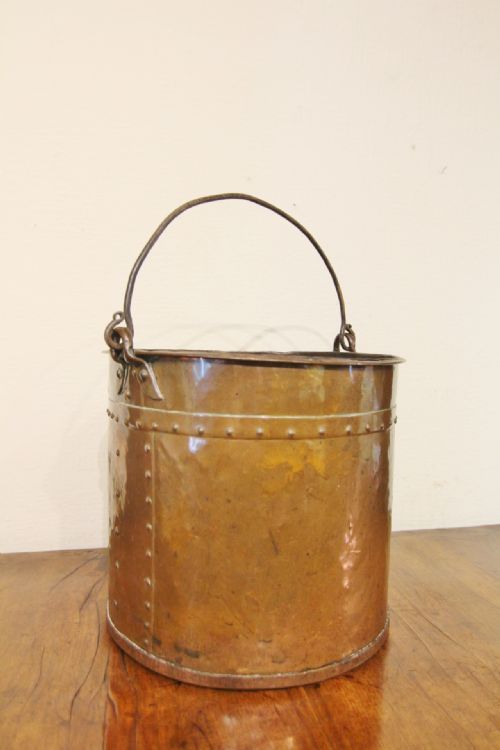
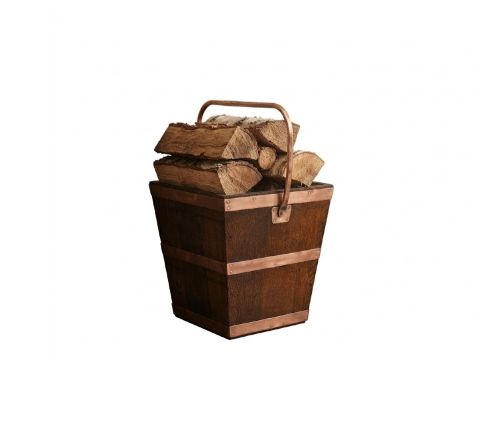
A firewood container serves the fireside by keeping logs organised and clean against the hearth. The examples found here span the nineteenth century through to the early decades of the twentieth century, taking forms such as log bins, coal buckets, and cauldrons.
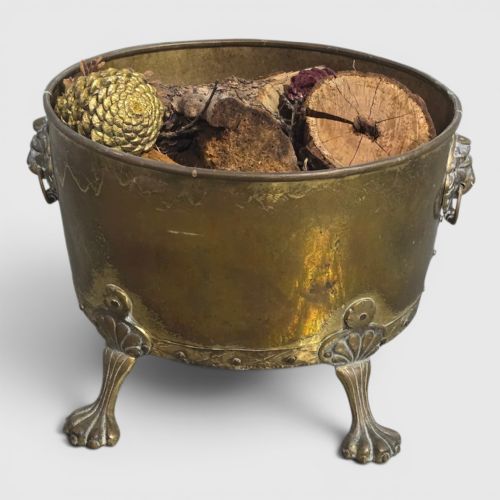
Most pieces on this page appear in heavy metals, predominantly copper and brass, alongside iron and timber variants. Buyers will frequently encounter riveted copper buckets and brass log bins dating from the Victorian era up to the nineteen-twenties.
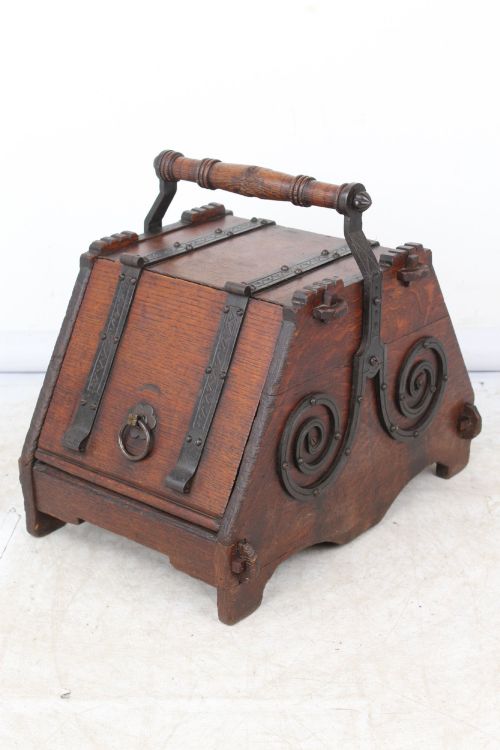
Country house and rustic farmhouse styles sit alongside Gothic Revival designs and industrial utilitarian forms. This variety ensures a vessel suits both grand fireplaces and simple hearths.
How they were made
Metal vessels rely heavily on hand-riveting to join thick sheets of copper, brass, or galvanised metal around iron bands and frames. Blacksmiths and metalworkers shaped these materials to endure the daily rough handling of heavy logs and coal.
Wooden versions utilise traditional joinery in pine and oak, often reinforced with iron strapping for extra strength. The inclusion of wrought iron handles provides a durable lift for heavy lifting by the hearth.
Firewood Container Retail Price Guide 2026
Typical asking prices for firewood container among the pieces listed under this phrase on Sellingantiques today, from the lower quarter to the upper quarter. They describe what is for sale here now, not the wider market.
Several heavy copper buckets on this page spent previous lives holding Victorian kitchen stews before retiring to the hearth.
What varies in quality
The weight and thickness of the metal plate dictate the sturdiness and longevity of a vessel. Thicker copper and solid brass maintain their structural integrity better under the immense pressure of dense firewood.
The finesse of construction marks the difference between utilitarian items and finer decorative pieces. Hand-beaten detailing, robust riveting, and original iron frames elevate certain vessels far above standard production.
Christopher Dresser
The Firewood Container Glossary
- Coal scuttle
- A container designed specifically for holding and carrying coal to the fire. They often feature a shaped mouth and a pivoting handle for easy pouring.
- Jardiniere
- An ornamental pot or receptacle, often repurposed as a log bucket in Victorian interiors. These frequently display decorative brass or copper bodies.
- Cauldron
- A large metal pot with a wide opening and sturdy base. Antique examples in heavy copper serve robustly as floor-standing log stores.
- Gothic Revival
- An architectural and decorative style drawing inspiration from medieval forms. Pieces from this movement often incorporate pointed arches and heavy metalwork.
Firewood Container: Frequently Asked Questions
How do I clean an antique copper log bin?
Wash the metal gently with warm soapy water and a soft cloth to remove soot and dust.
Avoid harsh chemical abrasives that strip away the aged patina built up over decades of use.
Can I use these for modern logs?
Most antique containers easily accommodate standard firewood lengths used in open hearths and woodburners.
Check the internal diameter of the vessel to ensure it matches the size of your logs.
Are brass bins too heavy?
Solid brass and thick copper vessels carry substantial weight even before you add wood.
Their heavy construction ensures they remain stable and do not dent when loaded with heavy logs.
How do I date a metal bucket?
Examine the construction methods, such as hand-riveting patterns and the composition of the iron handles.
Nineteenth-century examples often display irregular hand-beaten seams distinct from twentieth-century manufacturing.