



Fire Irons and Stand
Fire irons and stand sets range from heavy Victorian brass to French Art Nouveau iron, bringing both utility and traditional character to the hearth.
Fire Irons and Stand
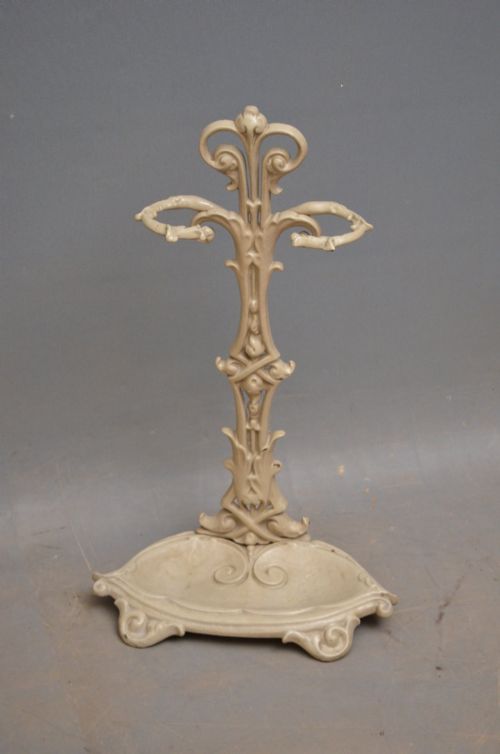
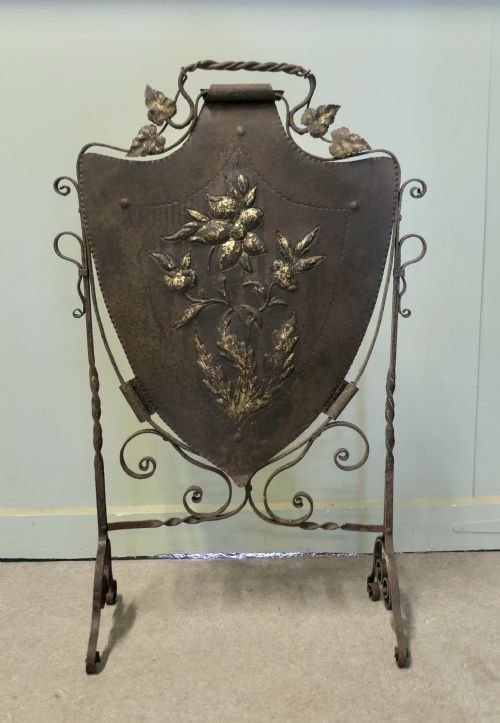
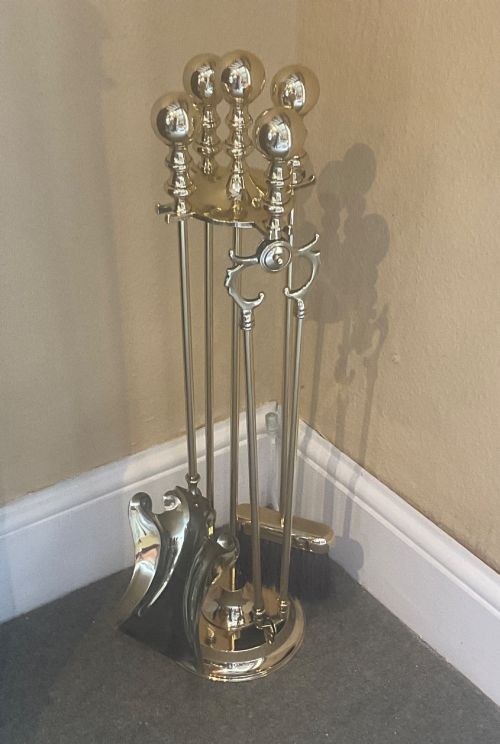
When searching for fire irons and stand assemblies, a buyer encounters a diverse group of hearthware dating from the Georgian period through the early twentieth century. The selection spans utilitarian country-house wrought iron, polished brass companions, and decorative French Art Nouveau umbrella or tool stands.
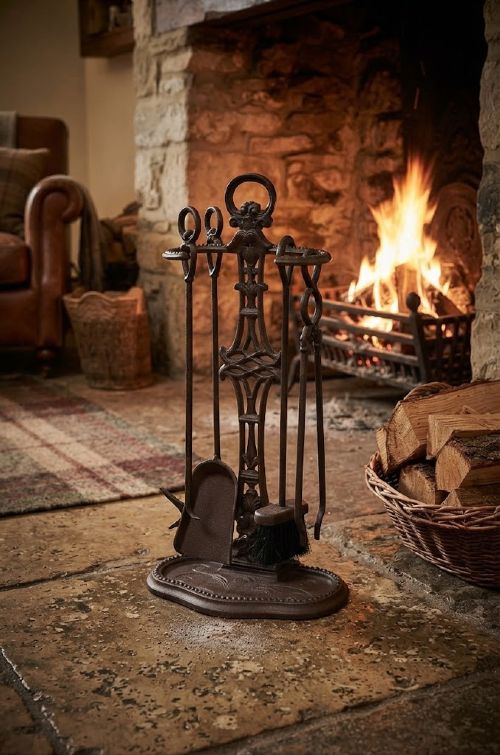
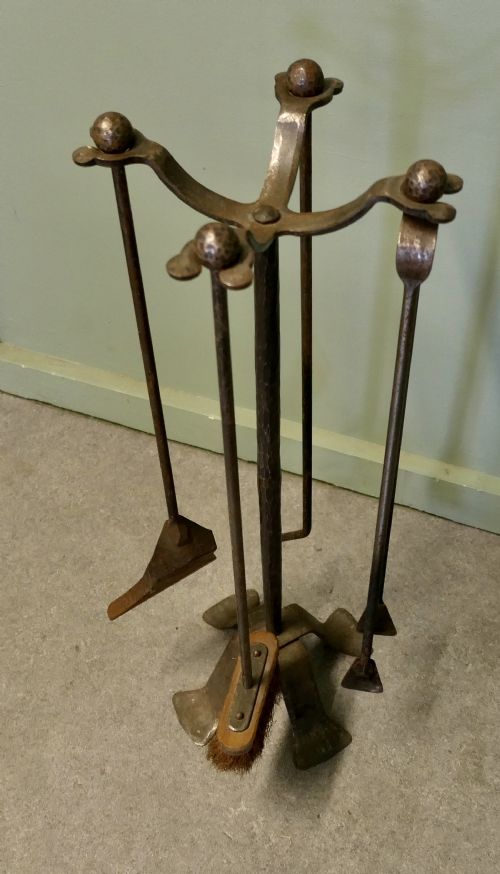
Most examples found here combine functional poker, shovel, and tongs arrangements with dedicated floor-standing holders or rests. The forms shift from straightforward Victorian utility sets to more ornate Gothic Revival and Arts and Crafts designs meant to anchor the fireplace.
Origin and material dictate the visual weight of these pieces, moving from heavy cast iron grates and companion sets to lighter brass and copper finishes. Buyers frequently meet Victorian and Edwardian brass iterations alongside earlier Georgian footmen and footrests.
How they were made
The construction relies primarily on robust metals such as cast iron, wrought iron, brass, and steel, shaped to withstand the rigours of daily hearth tending. Blacksmiths and foundries utilised casting, forging, and riveting techniques to join handles, stands, and decorative shields securely.
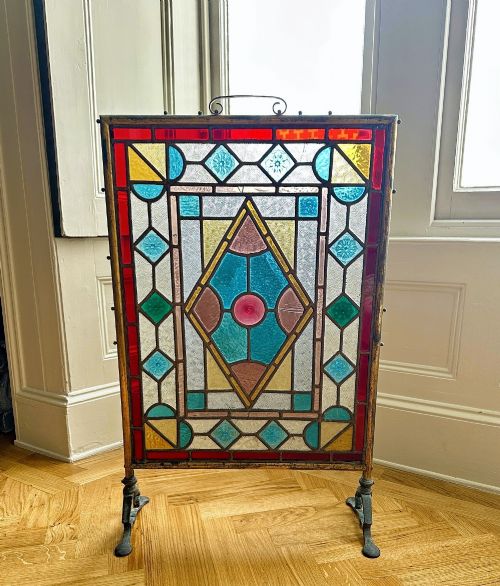
Surface treatments vary from the natural dark finish of cast iron to polished brass and applied copper finishes, occasionally accented with painted metal or stained glass panels. These finishes reflect the prevailing domestic aesthetics of the nineteenth and early twentieth centuries, from austere utility to ornate French styling.
Fire Irons and Stand Retail Price Guide 2026
Typical asking prices for fire irons and stand among the pieces listed under this phrase on Sellingantiques today, from the lower quarter to the upper quarter. They describe what is for sale here now, not the wider market.
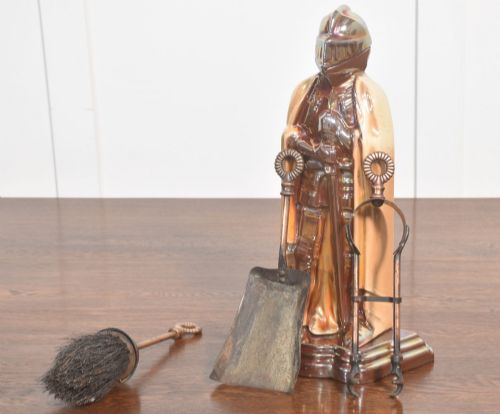
Cast iron knights stand ready to guard your hearth tools.
What varies in quality
Quality reveals itself in the substantial gauge of the metal and the integrity of the joints connecting the tools to their stands or rests. Heavier companion sets and solid brass fire dogs demonstrate superior material density compared to lighter, decorative alternatives.
The refinement of the casting and forging distinguishes standard production items from finer workshop pieces. Clean lines on Arts and Crafts or Art Nouveau stands and well-balanced companion tools indicate careful execution by skilled makers.
The Fire Irons and Stand Glossary
- Companion set
- A matched group of hearth tools, typically including a poker, tongs, and shovel, arranged on a shared stand or resting hooks.
- Andirons
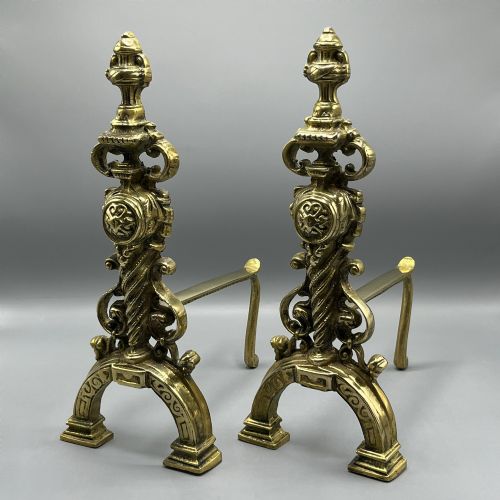
- Also known as fire dogs, these horizontal bars supported by vertical uprights hold logs above the hearth floor to improve air circulation.
- Footman
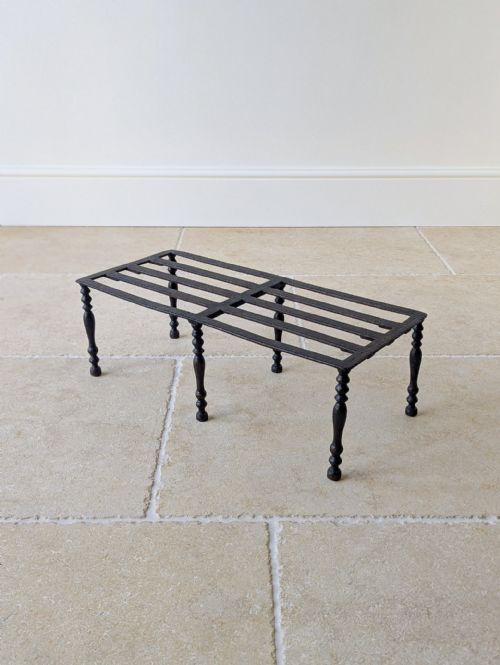
- A metal stool or stand placed near the fire to keep food or kettles warm, frequently constructed from wrought iron or steel.
- Grate
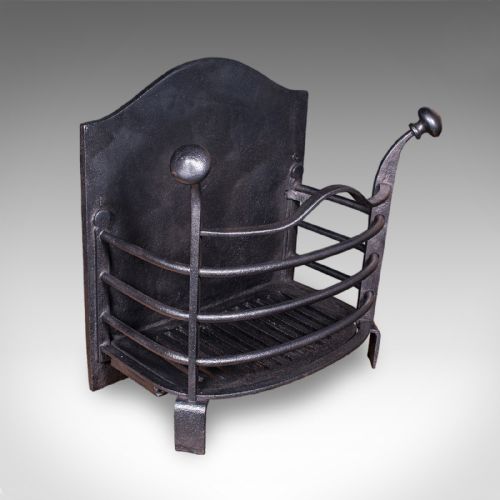
- The metal basket or framework designed to contain the fuel within an open fireplace.
Fire Irons and Stand: Frequently Asked Questions
What is included in a set?
A standard set combines functional pokers, shovels, and tongs with a dedicated floor-standing holder or pair of tool rests. These groupings provide the essential implements required to tend an open coal or wood fire.
Depending on the period, the collection may also incorporate companion pieces like footmen or fire screens designed for the hearth.
How do I date these pieces?
Dating relies on stylistic clues, manufacturing techniques, and the specific metal alloys employed across different eras. Georgian and Regency pieces often show hand-wrought ironwork, while Victorian and Edwardian examples utilise heavier cast brass and more elaborate industrial production.
Maker marks, registration numbers, and stylistic markers such as Art Nouveau curves further clarify the period of origin.
Are brass and iron sets durable?
Both brass and iron provide exceptional durability when constructed from solid metals rather than hollow or thin sheet alternatives. Wrought iron and cast iron withstand intense heat and daily handling without losing structural integrity.
Brass surfaces require occasional polishing to maintain their appearance, whereas iron benefits from light oiling to prevent rust in damp environments.
Where should I place the stand?
These stands sit directly on the hearth floor or immediately adjacent to the fireplace opening for easy access during fire management. Their weight and footprint are engineered to remain stable on stone, brick, or tile hearths.
Positioning them clear of direct, intense flame protects both the tools and the stand finishes from excessive thermal shock.