



Fire Guard Protector
A fire guard protector shields the room from stray embers while adding period character to the hearth.
Fire Guard Protector
A fire guard protector takes several distinct forms across the Victorian, Edwardian, and earlier periods, functioning as both a safety barrier and a decorative domestic accessory. When searching for a fire guard protector, you encounter items ranging from folding nursery fenders to elaborate French revival screens.
Stylistic variation spans from simple utilitarian iron pieces to ornate French Rococo and Empire revival brass work. The most common survivals date from the nineteenth and early twentieth centuries, reflecting the period's domestic heating arrangements.
How they were made
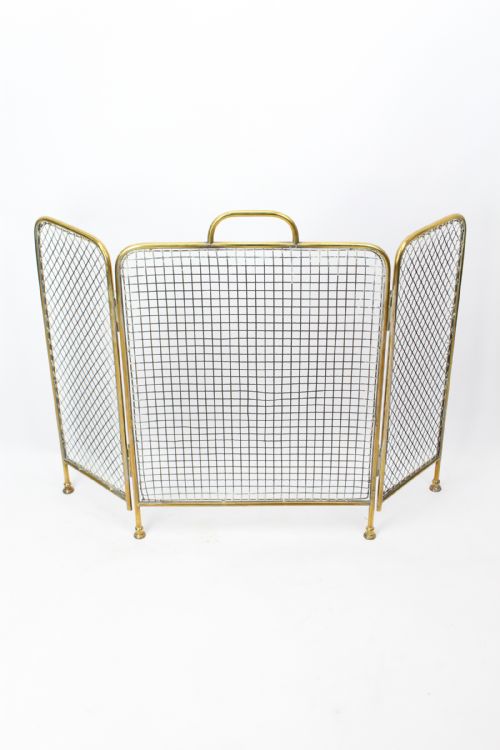
Makers utilised durable metals such as brass, wrought iron, and steel mesh to construct these functional hearth barriers. Metalwork techniques involved riveting, soldering, and framing fine wire mesh to catch flying sparks effectively.
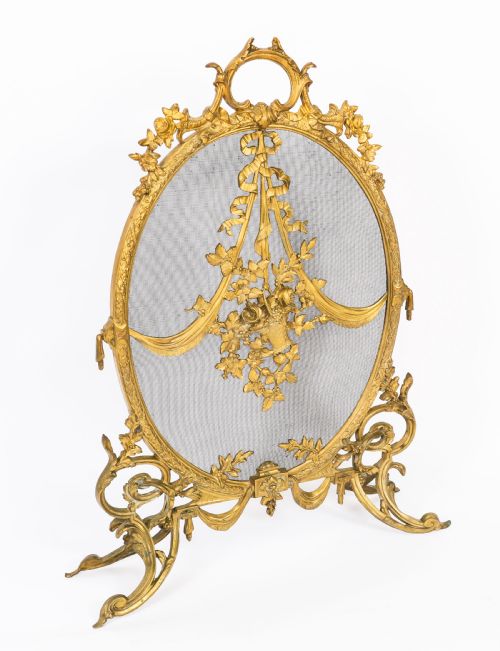
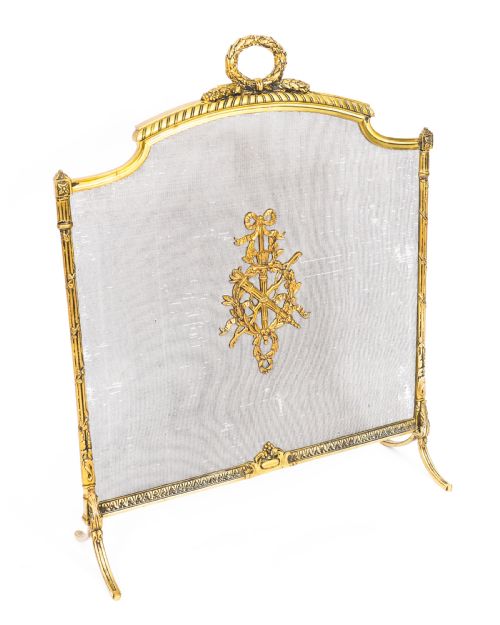
Decorative examples often incorporated gilt bronze mounts, cast brass frames, and detailed period motifs characteristic of French Rococo or Gothic Revival designs. Folding mechanisms were engineered using hinged brass or iron sections to allow adjustable placement around the fireplace.
Fire Guard Protector Retail Price Guide 2026
Typical asking prices for fire guard protector among the pieces listed under this phrase on Sellingantiques today, from the lower quarter to the upper quarter. They describe what is for sale here now, not the wider market.
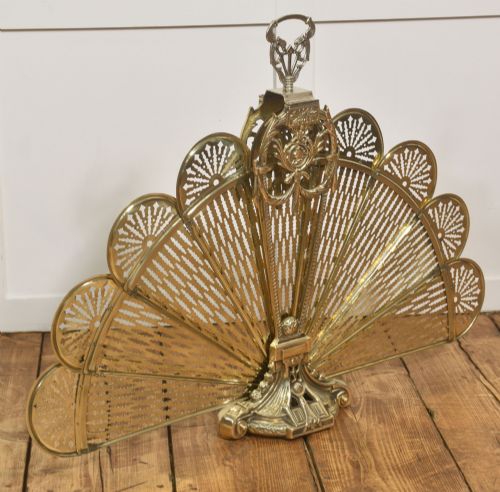
Peacock fan screens cleverly fold away like plumage when the hearth is cold, proving the Victorians loved drama.
What varies in quality
Quality in a fire guard protector is determined by the weight of the metal frame and the integrity of the mesh construction. Heavier brass gauges and tightly woven wire mesh indicate superior manufacturing standards compared to lighter, purely decorative pieces.
Refinement of detail separates standard utility guards from high-end revival pieces featuring cast gilt bronze and intricate scrolling framework. The precision of the folding hinges and the overall rigidity of the freestanding structure further distinguish finer examples.
The Fire Guard Protector Glossary
- Spark guard
- A fine mesh barrier designed specifically to catch burning embers escaping from an open fire. These guards are typically integrated into brass or iron frames.
- Nursery fender
- A protective enclosure placed around a hearth to prevent young children from getting too close to the fire. They often feature tall, bowed configurations.
- Fire screen
- A decorative panel placed in front of a fireplace when not in use, which evolved to serve protective functions in later periods. Many examples double as spark guards.
- Gilt bronze
- Copper alloy finished with a thin layer of gold, frequently seen on revival frames. This material adds a rich, decorative surface to nineteenth-century pieces.
Fire Guard Protector: Frequently Asked Questions
What is a fire guard protector?
A fire guard protector is a domestic safety barrier placed in front of an open fireplace to contain sparks and ash.
These pieces combine utilitarian metal mesh with decorative frames dating from the Victorian era and beyond.
How do I date a fire guard?
Dating relies on identifying stylistic markers such as French Rococo revival motifs or Arts and Crafts ironwork.
Material choices like heavy brass wire mesh and specific construction techniques also point to nineteenth or early twentieth-century origins.
Are these guards safe for modern fires?
Many historical spark guards and screens remain structurally sound for containing embers in traditional settings.
Checking the rigidity of the mesh and the stability of the frame ensures practical utility alongside period charm.
What styles are available?
The selection includes ornate French Empire revival pieces, Gothic ironwork, and simple Victorian brass nursery fenders.
Folding designs and freestanding demi-lune screens offer various ways to fit different hearth layouts.