





Fine Silk Wool Carpet
A fine silk wool carpet offers intricate traditional Persian artistry, bringing rich historical craftsmanship and texture into a room.
Fine Silk Wool Carpet
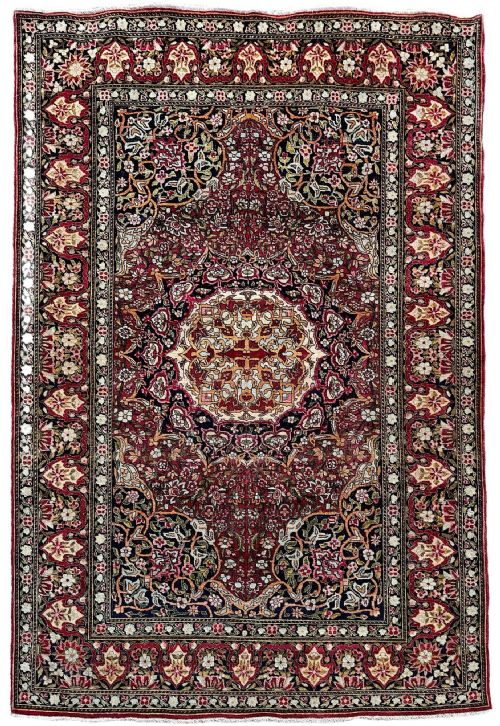
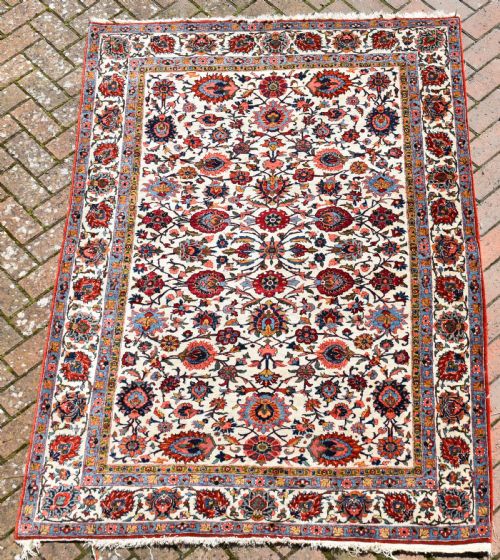
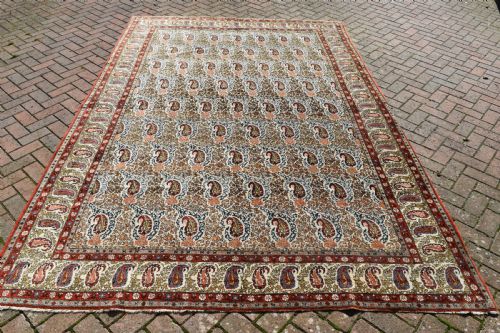
When you search for a fine silk wool carpet, you encounter woven pieces originating primarily from Persian centres such as Isfahan, Qum, and Nain. These rugs and carpets date from the early twentieth century, specifically spanning the decades between 1900 and 1930.
The pieces on this page are predominantly traditional Persian area rugs and larger carpets. You are most likely to meet Qum and Isfahan formats, featuring detailed medallion designs or pictorial scenes that reflect classic regional aesthetics.
Makers and weavers constructed these floor coverings utilising a combination of natural fibres. The structural foundation frequently employs silk or cotton, while the pile incorporates wool, lambswool, and silk highlights to achieve textural contrast.
How they were made
Weavers constructed these carpets using traditional hand-knotting techniques on dedicated looms. A very fine weave requires exceptional skill, particularly when combining different natural materials within a single composition.
Makers utilised silk foundations or cotton warps to provide structural stability for the pile. Lambswool and standard wool were then hand-knotted alongside silk highlights to create tactile depth and visual dimension across the surface.
Fine Silk Wool Carpet Retail Price Guide 2026
Typical asking prices for fine silk wool carpet among the pieces listed under this phrase on Sellingantiques today, from the lower quarter to the upper quarter. They describe what is for sale here now, not the wider market.
Some weavers hid tiny deliberate imperfections in their symmetry, believing only divine creation could achieve absolute perfection.
What varies in quality
The density of the knotting separates the top tier from standard production. A finer weave allows for sharper definition in traditional medallion designs and pictorial elements.
The selection of materials also dictates the calibre of the piece. Using lambswool alongside silk highlights on a silk foundation demonstrates a higher level of material refinement than standard wool on cotton.
The Fine Silk Wool Carpet Glossary
- Foundation
- The underlying structure of warps and wefts that supports the pile of a carpet. Silk foundations offer greater tensile strength and flexibility.
- Medallion design
- A central ornamental motif featured prominently in the field of Persian carpets. This symmetrical pattern anchors the entire composition.
- Pile
- The vertical or slanted upright loops of yarn that form the usable surface of a rug. It consists of wool, lambswool, or silk.
- Pictorial rug
- A woven textile depicting figurative scenes, animals, or architecture rather than purely geometric or floral patterns. These require advanced pictorial weaving skill.
Fine Silk Wool Carpet: Frequently Asked Questions
How do I date a carpet?
Dating relies on stylistic markers, materials, and documented weaving traditions from periods such as the early twentieth century. Comparing structural techniques provides further chronological context.
Examine the specific knot count, palette, and regional design traits to narrow down the decade of production.
Where were these carpets made?
These pieces originate from traditional Persian weaving centres renowned for master craftsmanship. Locations such as Isfahan, Qum, and Nain defined the regional styles.
Each workshop applied distinct local aesthetic preferences, utilising specific combinations of silk, wool, and cotton.
What is a silk highlight?
Silk highlights are specific areas of a wool pile woven with silk threads to catch the light. They accentuate fine details within the design.
This technique creates subtle shimmer against the matte texture of standard wool.
How should I place an area rug?
Position your rug to anchor furniture arrangements within a room, allowing sufficient flooring to show around the edges. Larger carpets can define seating areas completely.
Ensure high-traffic zones receive even distribution of wear to maintain the condition of the pile.