


Fine Jewellery Cluster Ring
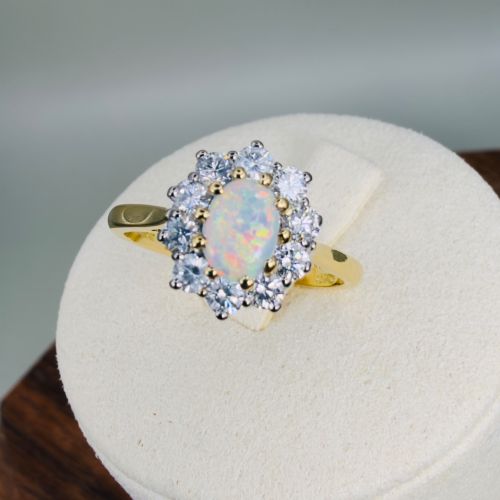
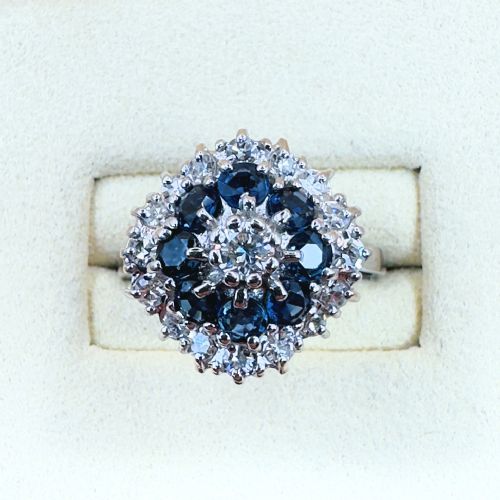
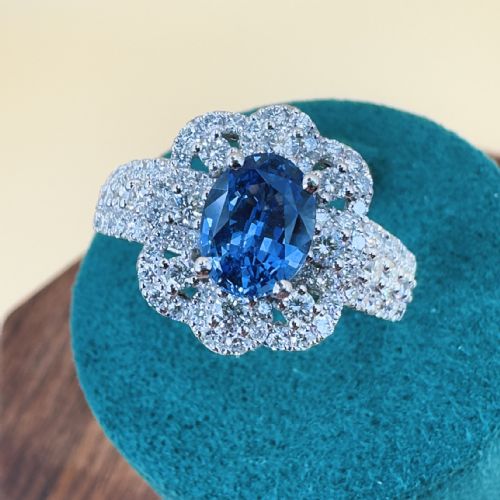
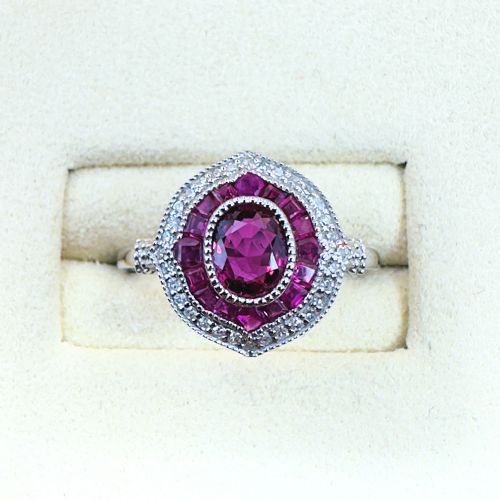
When you search for a fine jewellery cluster ring, you are looking at statement pieces centred on a prominent gem surrounded by smaller stones, spanning periods from the Victorian era to the mid-twentieth century.
Fine Jewellery Cluster Ring
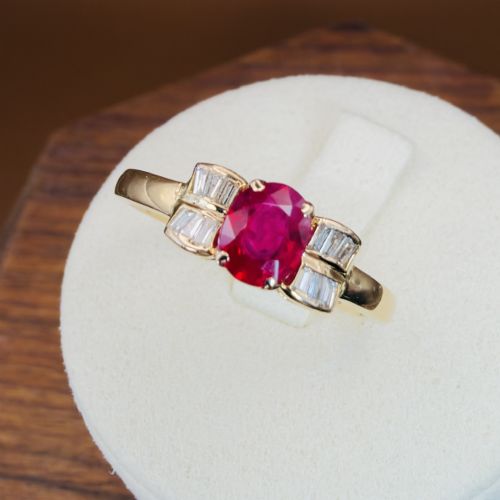
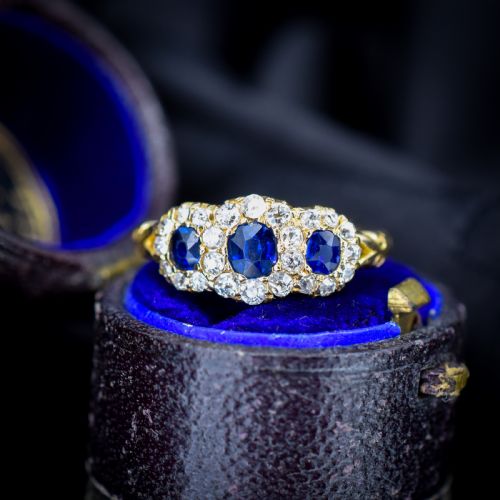
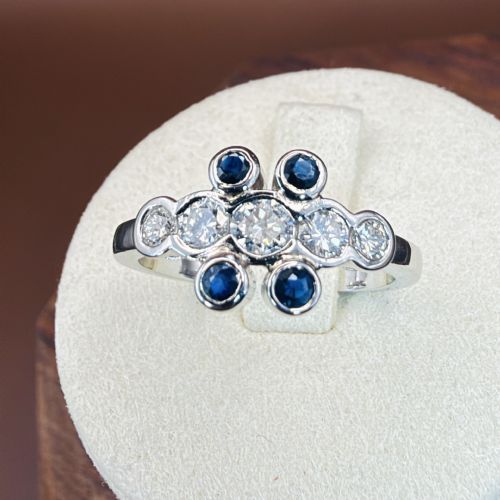
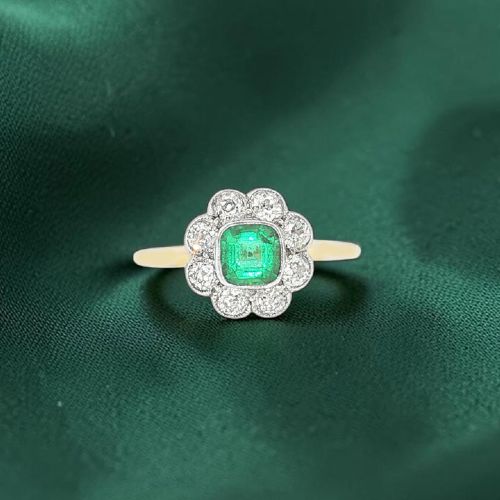
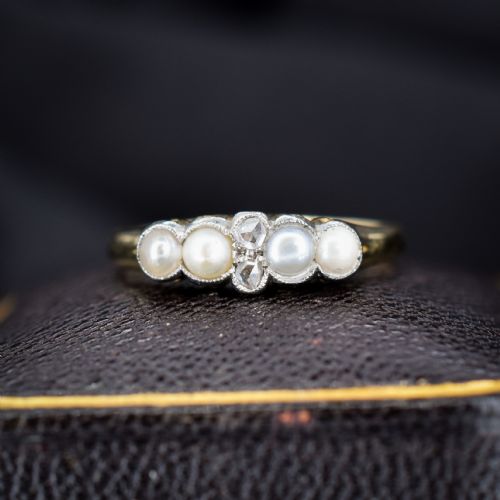
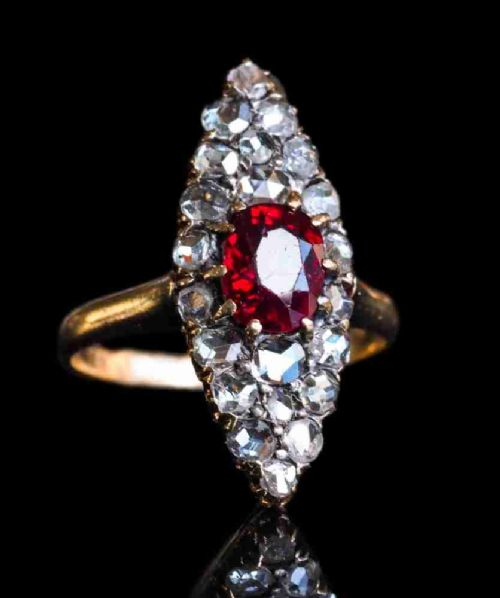
The most common formats on this page include circular daisy clusters, navette shapes, and substantial platinum or gold cocktail rings. These pieces originate from distinct design movements, ranging from delicate Edwardian pearl and diamond work to bold Art Deco platinum mountings and 1950s coloured gemstone arrangements.
How they were made
Goldsmiths utilised 18ct yellow gold, 18ct white gold, and durable platinum to set the central stones and their surrounding borders. Platinum gained significant favour during the Art Deco era for its strength in holding intricate millegrain work and delicate settings without adding bulk.
Stones were cut by hand in various historical styles, including old cut, rose-cut, baguette, and princess cuts, depending on the period. Metalwork techniques incorporate claw settings, bezel mounts, and detailed gallery work underneath the main cluster to allow light through the stones.
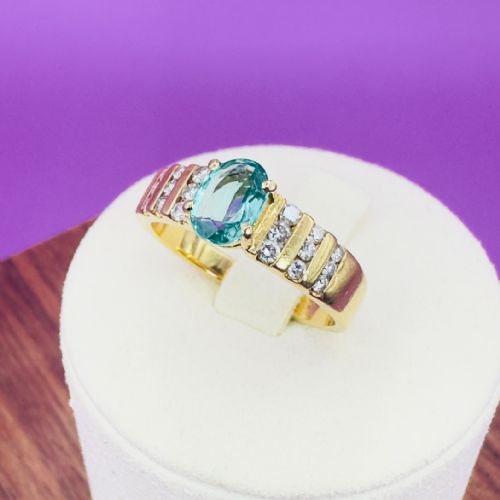
Central gemstones recorded in the inventory include emerald, sapphire, ruby, tsavorite green garnet, tanzanite, opal, jadeite, turquoise, beryl, and diamond.
What varies in quality
Quality rests upon the natural origin, saturation, and clarity of the central gemstone, alongside the matching and brilliance of the surrounding diamond border. Superior examples display balanced proportions where the accent stones complement rather than overpower the central gem.
The integrity of the mounting and the precision of the metalwork also distinguish pieces across the range. Heavier metal weight, crisp claw work, and intact period details elevate the overall calibre of a cluster ring.
Le Vian
The Fine Jewellery Cluster Ring Glossary
- Cluster ring
- A ring design featuring a central gemstone surrounded by a border of smaller stones. This configuration maximises visual impact and light reflection.
- Navette
- A boat-shaped gemstone arrangement that tapers to points at either end. This elongated style sits flat along the finger.
- Millegrain
- A decorative technique consisting of a fine border of tiny raised metal beads along the edges of a setting. It was particularly popular in Edwardian and Art Deco jewellery.
- Old cut
- A traditional diamond cutting style characterised by a high crown, small table, and deep pavilion. These stones exhibit broad, hand-polished facets tailored for candlelight.
- Cabochon
- A gemstone shaped and polished with a smooth, convex surface rather than faceted. This cut is typical for opals, jadeite, and certain sapphires and rubies in the selection.
Fine Jewellery Cluster Ring: Frequently Asked Questions
What is a fine jewellery cluster ring?
A cluster ring pairs a central gemstone with a surrounding frame of smaller accent stones, typically diamonds. This arrangement creates a larger visual presence on the hand.
Such designs appear across Victorian, Edwardian, Art Deco, and mid-century periods in materials like platinum and 18ct gold.
How do I wear a cluster ring daily?
Wearing a cluster ring daily requires consideration of the central stone's hardness, particularly with softer gems like opals or pearls. Pairing them with flat wedding bands or wearing them independently protects the claw settings.
Regular checks by a jeweller help secure the smaller accent stones within the cluster framework.
How can I tell the period of a ring?
Dating a cluster ring involves examining the metal types, stone cuts, and manufacturing techniques used in the mounting. Platinum and geometric symmetry often point to the Art Deco era, while yellow gold and old cut diamonds frequently suggest Victorian or Edwardian origins.
Maker marks, hallmarks, and specific gemstone treatments provide further chronological markers.
Were these rings used as engagement rings?
Many cluster rings served as engagement rings, particularly during the Edwardian and mid-century periods when sapphire and ruby centre stones gained popularity alongside diamonds. Their distinctive floral or geometric outlines offered an alternative to single-stone solitaires.
Larger cocktail versions were typically worn as dress rings for social occasions.