


Fine Gold Drop Earrings
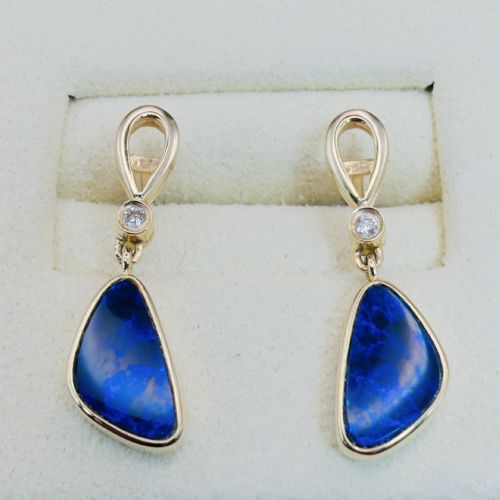
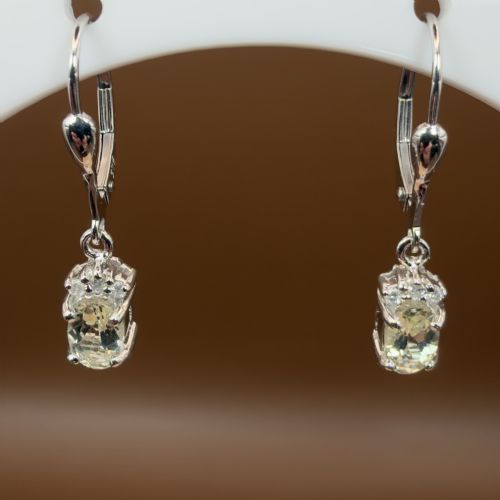
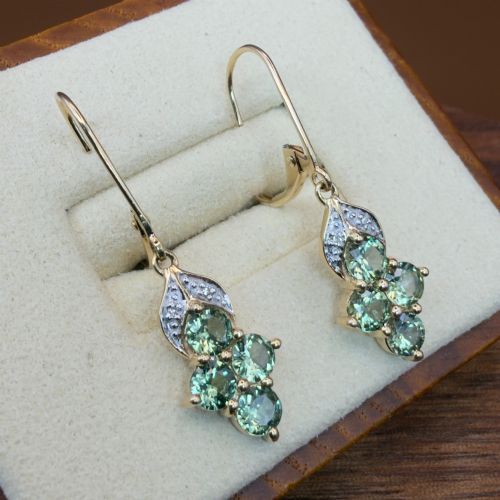
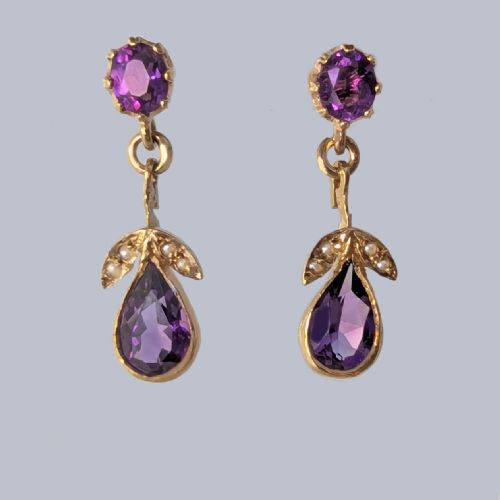
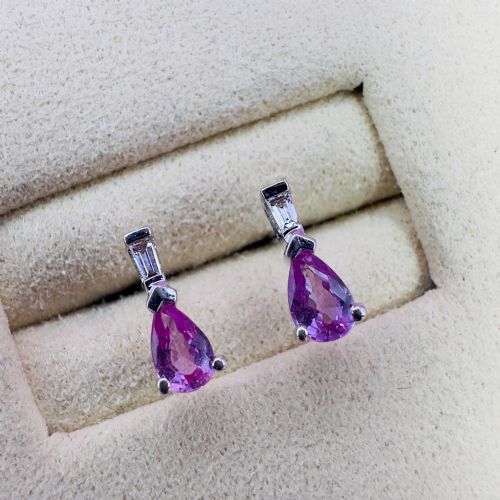
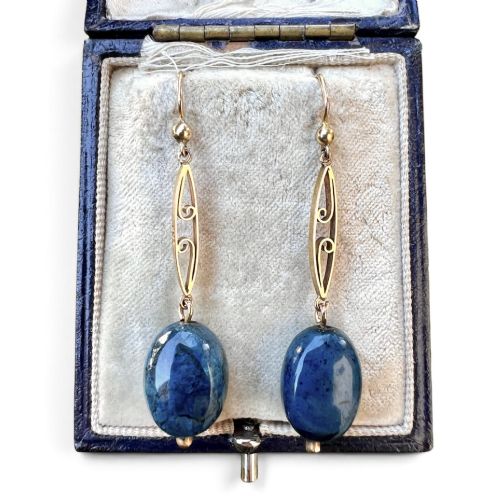
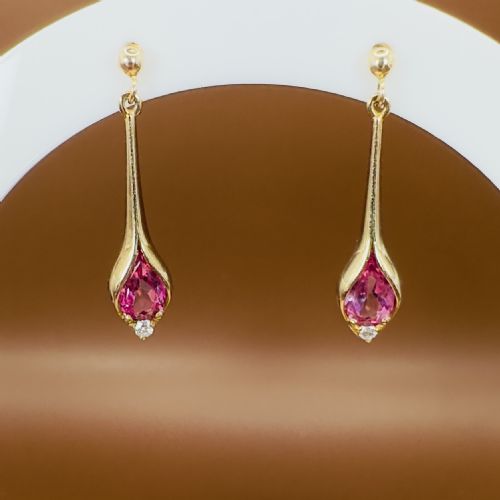
Fine gold drop earrings dangle from the ear with gemstones and pearls, bringing movement and light to the face.
Fine Gold Drop Earrings
Fine gold drop earrings span periods from the Victorian era through the mid-twentieth century, encompassing Edwardian, Art Deco, and vintage designs. The pieces combine gold mounts in nine-carat, fifteen-carat, or eighteen-carat purities with swinging drops, clusters, and hinge-back fittings. Buyers encounter styles ranging from delicate Edwardian bows and silver foliate mounts to bold mid-century geometric arrangements.
How they were made
Goldsmiths shaped mounts from yellow, rose, and white gold, occasionally combining gold with silver settings for diamonds to enhance stone brilliance. Stones were hand-cut into old European, rose, pear, marquise, and baguette facets, then secured with claw, bezel, or cluster settings. Pearls and coral beads were drilled and mounted on pins, while drop components utilised hinged backs and secure hook wires for movement.
Craftsmen incorporated fine details such as enamel work, foliate engravings, and openwork galleries into the gold structures. Gemstones like tourmaline, spinel, topaz, and opal were chosen for their colour and paired with accent diamonds or seed pearls. Construction methods reflect the prevailing techniques of each era, from hollow Victorian hoop forms to structured Art Deco geometry.
Listings feature nine-carat, fifteen-carat, and eighteen-carat gold alongside silver mounts, spanning Victorian, Edwardian, Art Deco, and mid-century periods.
What varies in quality
Quality depends on the selection and matching of natural gemstones and pearls, where uniformity in colour and clarity elevates a pair. The precision of the goldsmith's work dictates overall refinement, visible in delicate claw settings, clean metal finishes, and secure articulation of drop components. Heavier gold weights and integrated hallmarks or maker details distinguish more substantial pieces from lighter constructions.
The sophistication of the design contributes to distinction, separating standard production items from pieces featuring intricate hand-engraved motifs or complex stone clusters. The integration of contrasting materials, such as silver-topped gold mounts for diamonds, shows deliberate attention to period aesthetics and optical effect.
The Fine Gold Drop Earrings Glossary
- Drop earrings
- Earrings that suspend a component below the earlobe, creating movement when worn. This form includes both simple swinging stones and elaborate cascading clusters.
- Hinge back
- A fastening mechanism featuring a hinged wire that clicks securely into a notched post behind the ear. This closure offers both security and ease of wear.
- Old European cut
- An early diamond cut characterised by a small table, high crown, and large culet, typical of the late nineteenth and early twentieth centuries. It produces broad, distinctive flash patterns under candlelight.
- Parure
- A matched set of jewellery designed to be worn together, typically comprising earrings, a necklace, and a brooch or pendant. Surviving sets share identical gemstone pairings and metalwork.
- Rose cut
- A vintage diamond or gemstone cut featuring a flat base and a domed crown with triangular facets arranged in a symmetrical pattern. This cut gives a soft, translucent glow rather than sharp brilliance.
Fine Gold Drop Earrings: Frequently Asked Questions
How do I date antique drop earrings?
Dating relies on stylistic clues, metal purities, and gemstone cuts characteristic of specific eras like the Edwardian period or Art Deco. Examining the construction of the fittings and the mounting techniques provides further context.
For instance, silver-topped gold points towards nineteenth-century work, while geometric white gold settings point to the nineteen-twenties and thirties. Hallmarks, where present, offer definitive markers for assay office and year.
Are these earrings suitable for daily wear?
Many pairs are robust enough for regular use, provided they feature secure fastenings like hinge backs or sturdy hook wires. Heavier or more delicate historical pieces benefit from mindful handling and occasional checks on the stone settings.
Pearls and softer gemstones require gentle care to avoid surface scratches from daily activities. Storing them individually prevents friction against other items in a collection.
What is the difference between drop and stud earrings?
Stud earrings sit directly on the earlobe without movement, whereas drop earrings feature a suspended element that hangs below the base of the ear. Some hybrid designs combine a stud top with a detachable or fixed dangling lower section.
Drop styles introduce vertical length and kinetic play as the wearer moves, catching light across the suspended gems.
How should I clean antique gold and gemstone earrings?
Cleaning requires gentle methods suited to the specific materials mounted in the gold, avoiding harsh chemicals that might harm organic gems like pearls or coral. Warm water with mild soap and a soft brush clears everyday residue from stone pavilions.
Professional inspection helps maintain the integrity of older claw settings and ensures that delicate dangling elements remain securely attached.