

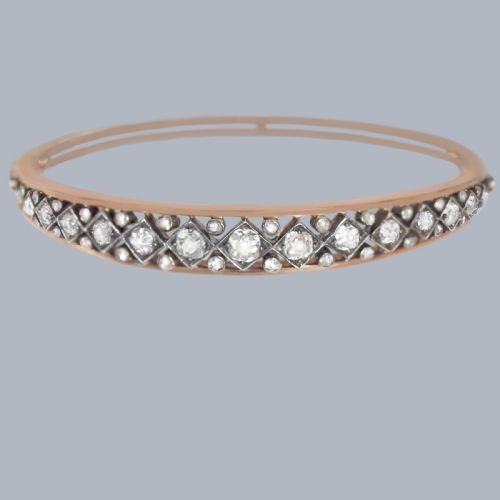


Fine Gold Bracelet
A fine gold bracelet brings together precious metals and stones across a century of changing design, offering enduring elegance for the wrist.
Fine Gold Bracelet
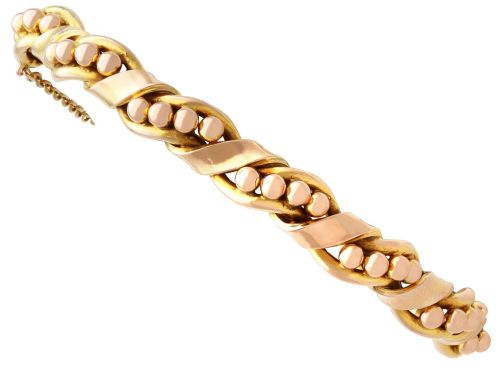
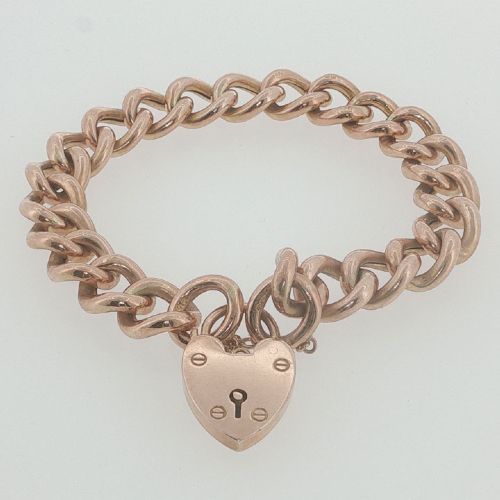
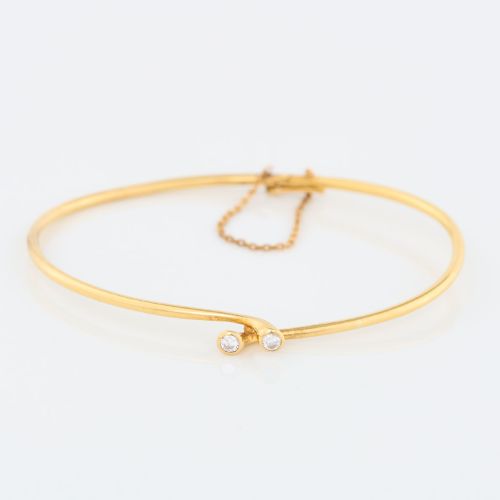
A fine gold bracelet spans multiple decades of craftsmanship, incorporating styles from the Victorian era through to the mid-twentieth century. When exploring a fine gold bracelet, buyers encounter various forms including rigid bangles, articulated links, and gemstone-set tennis designs.
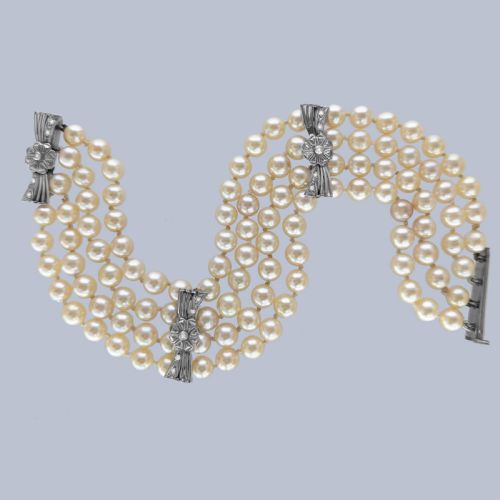
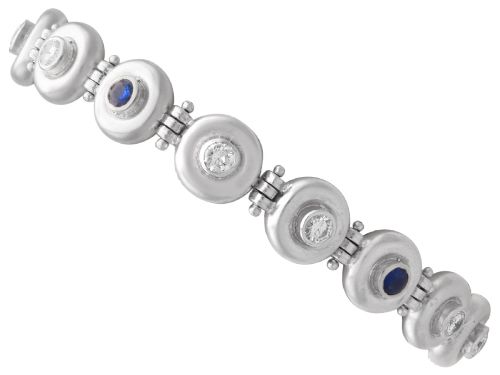
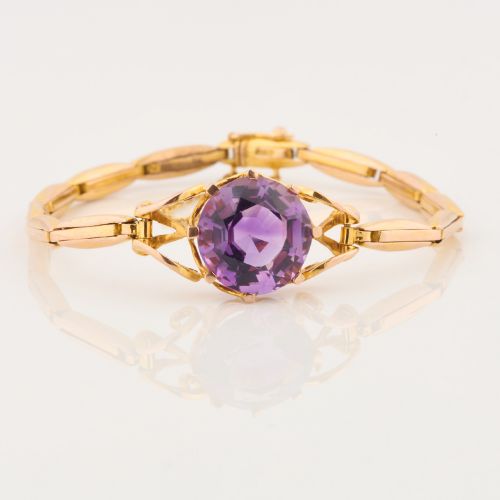
Many examples incorporate precious gemstones alongside gold work, ranging from diamonds and sapphires to pearls, rubies, and opals. Each piece reflects the aesthetic priorities of its specific decade of production.
Materials and construction
Construction relies upon precious metals including nine-carat, fourteen-carat, fifteen-carat, and eighteen-carat gold, frequently paired with platinum for secure stone settings. Artisans utilised techniques such as collet setting, hand engraving, and delicate link fabrication to shape the metal.
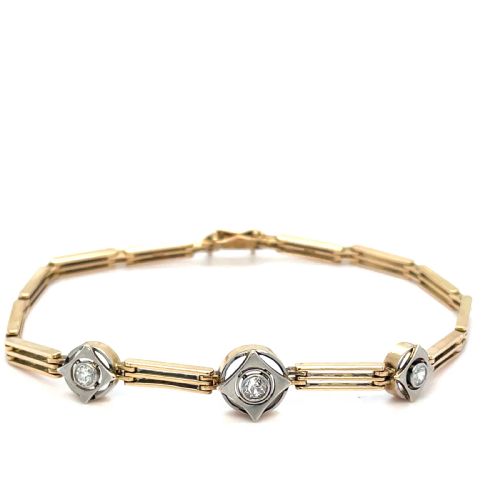
Gemstones are integrated into the gold structures using period-appropriate methods, securing old mine cut diamonds, rubies, and sapphires within white gold, yellow gold, or platinum mounts. Pearls and opals are also mounted carefully into structured frames and bangles.
Fine Gold Bracelet Retail Price Guide 2026
Typical asking prices for fine gold bracelet among the pieces listed under this phrase on Sellingantiques today, from the lower quarter to the upper quarter. They describe what is for sale here now, not the wider market.
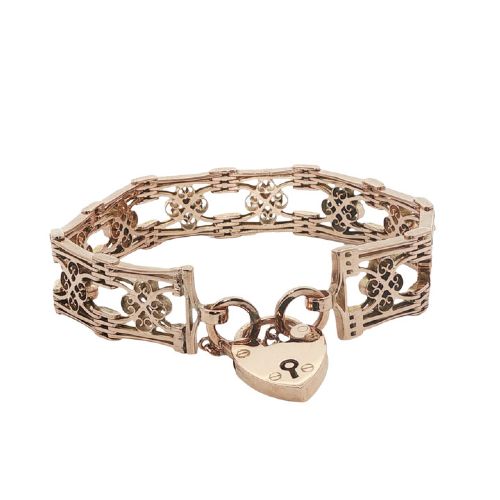
Several vintage gate bracelets on the site come equipped with tiny padlocks, proving that Edwardian wrists required official security clearance.
Assessing quality in gold bracelets
Quality rests in the precision of the metalwork, the security of the settings, and the fineness of the gold alloy used in the construction. Pieces exhibiting crisp hand engraving, well-matched gemstones, and fluid articulation demonstrate superior execution.
The integration of precious stones, such as high-carat diamonds or natural pearls, influences the distinction between standard production and exceptional examples from periods like the Belle Époque or Art Deco.
The Fine Gold Bracelet Glossary
- Bangle
- A rigid bracelet that slips over the hand or fastens with a hinge and clasp. These solid metal circles often feature surface engraving or gemstone settings.
- Collet set
- A method of stone setting where a narrow metal collar surrounds the gemstone, holding it securely in place. This technique appears frequently in antique diamond bracelets.
- Art Deco
- A design style spanning the 1920s and 1930s characterised by geometric symmetry and clean lines. Pieces from this era often utilise platinum and white gold alongside calibrated gemstones.
- Old mine cut
- An early diamond cut featuring a near-square girdle, high crown, and large culet facet. This diamond shape is commonly found in Victorian and Edwardian jewellery.
- Gate bracelet
- A flexible bracelet formed of parallel metal bars connected by vertical links, often finished with a padlock clasp. This style gained popularity during the late Victorian and Edwardian periods.
Fine Gold Bracelet: Frequently Asked Questions
How do I care for my gold bracelet?
Store your bracelet in a dedicated lined box or pouch to prevent scratching from other jewellery items. Regular cleaning with a soft cloth helps maintain the lustre of the gold and the brilliance of any set stones.
Avoid exposing gemstone bracelets to harsh chemicals, ultrasonic cleaners, or abrasive surfaces. Professional inspection of the clasps and settings ensures the structural integrity remains intact over time.
What is the difference between an Edwardian and Art Deco bracelet?
Edwardian bracelets feature delicate, lace-like platinum and gold work, often incorporating pearls and diamonds with floral or garland motifs. The aesthetic is light, intricate, and romantic.
Art Deco bracelets shift towards bold geometric patterns, symmetrical lines, and sharp contrasts using white gold, platinum, and vibrant gemstones such as sapphires and rubies.
How can I identify the gold purity?
Gold purity is typically indicated by hallmarks stamped directly onto the metal, denoting carats such as 9ct, 14ct, 15ct, or 18ct. These tiny stamps provide official confirmation of the gold alloy content.
In the absence of a clear hallmark, professional testing methods like acid testing or X-ray fluorescence can determine the exact gold content of the piece.
Are these bracelets suitable for everyday wear?
Solid gold bangles and sturdy link bracelets are generally durable enough for regular daily use. However, delicate items set with soft organic gems like pearls or opals require greater care.
Checking the security of safety chains, box clasps, and padlocks before wearing helps prevent accidental loss of antique and vintage wristwear.