




Fine Diamond Chain Necklace
A fine diamond chain necklace brings together precious stones and delicate metalwork, offering a wearable piece of history for daily elegance.
Fine Diamond Chain Necklace
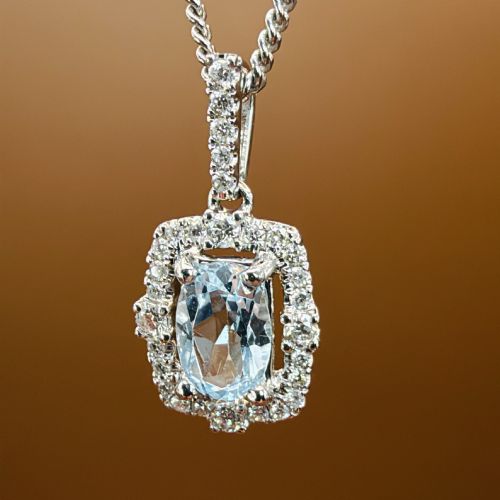
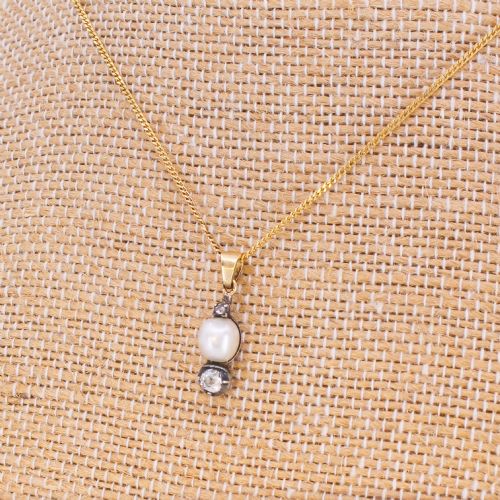
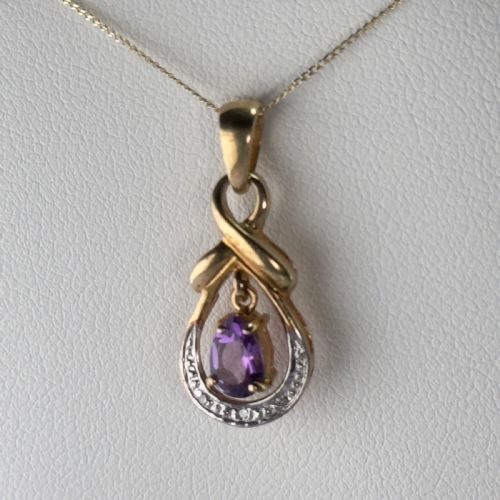
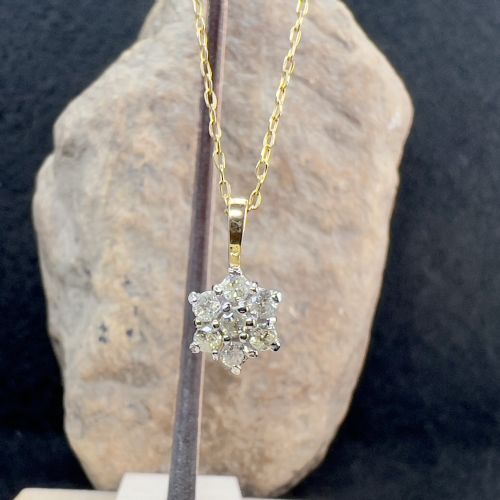
A fine diamond chain necklace consists of precious gemstones suspended on slender gold or platinum chains, designed to sit gracefully against the collarbone. These pieces combine precious metals with brilliant-cut diamonds, often accented by colourful gems like amethyst, aquamarine, topaz, sapphire, or seed pearls.
The selections span from Edwardian and antique 1900s designs to mid-century creations from the 1950s and 1960s. Pendant necklaces and cluster settings dominate the forms, offering both minimalist solitaires and elaborate multi-stone arrangements.
How They Were Made
Craftsmen utilised various gold purities, predominantly 9ct yellow gold, 9ct white gold, and 18ct white gold, alongside platinum settings for secure gemstone placement. Stones were meticulously claw-set or bezel-set into pendants, crosses, and cluster configurations.
Fine chain links were soldered by hand or machine-woven to support delicate drops without compromising durability. Gemstones such as diamonds, pearls, and coloured quartz were carefully faceted or polished to catch the light.
Some mid-century designs double as brooches, allowing the wearer to pin the diamond cluster directly to a lapel.
What Varies in Quality
The overall standard depends on the clarity and cut of the central diamonds, alongside the proportion of the pendant to the supporting chain. Heavier gold weight and secure, original clasps elevate the structural integrity of the piece.
Artisanal precision in the setting work and the matching of secondary stones, such as aquamarines or amethysts, dictate the visual harmony and refinement of the necklace.
The Fine Diamond Chain Necklace Glossary
- Solitaire
- A single gemstone mounted on its own, typically referring to a diamond set centrally on a pendant necklace. This minimal setting highlights the brilliance of the single stone.
- Cluster
- An arrangement of smaller gemstones grouped tightly around a larger central stone to create a larger visual impact. In these pieces, diamonds frequently encircle an amethyst, aquamarine, or topaz.
- Platinum
- A dense, silvery-white precious metal used for fine jewellery settings due to its strength and durability. It holds small diamonds securely in antique and Edwardian pieces.
- Curb chain
- A type of jewellery chain consisting of identical interlinked flat links that lie relatively flat against the skin. It provides a sturdy yet refined support for pendants.
Fine Diamond Chain Necklace: Frequently Asked Questions
How do I wear a diamond pendant necklace?
These necklaces suit both everyday wear and formal occasions, pairing well with open necklines.
Layering with simpler chains can also work depending on the length and weight of the pendant.
What periods do these necklaces come from?
The available pieces originate from the Edwardian era, circa 1900, as well as mid-century periods spanning the 1950s and 1960s.
Each era brings distinct metal choices, such as platinum settings in earlier pieces and 9ct white gold in later decades.
How should I clean my gold and diamond necklace?
Use warm water, mild washing up liquid, and a very soft brush to gently remove oils from the stones and chain. Rinse thoroughly in clean water and dry with a lint-free cloth.
Avoid harsh chemicals that might affect softer stones like pearls or amethysts.
Are coloured stones common in these designs?
Many pieces combine diamonds with gemstones like amethyst, aquamarine, topaz, and sapphire. These coloured stones often form the centrepiece of cluster pendants.
Seed pearls and natural pearls also appear alongside diamonds in earlier Edwardian and mid-century items.