






Fine Art Oil Panel
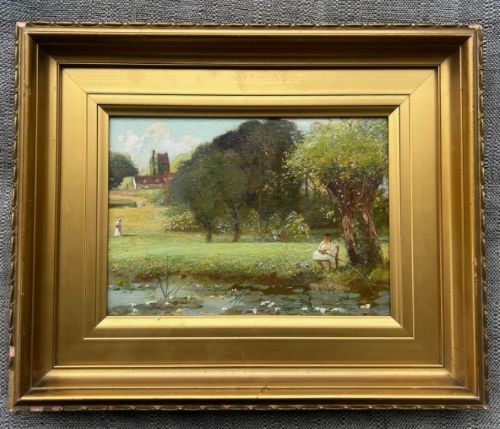
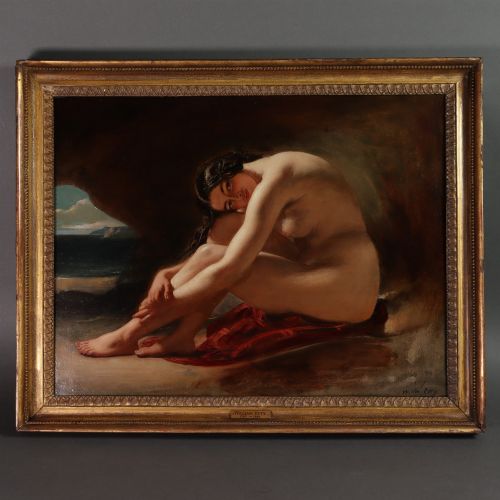
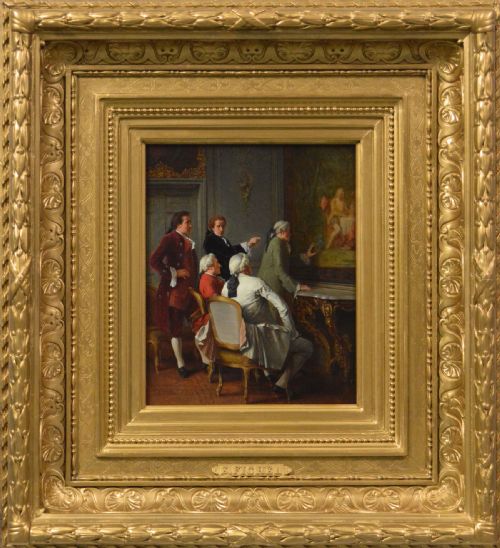
Fine art oil panel works bring together centuries of portable painting, offering collectors intimate portraits, landscapes, and genre scenes rendered directly onto rigid wooden supports.
Fine Art Oil Panel
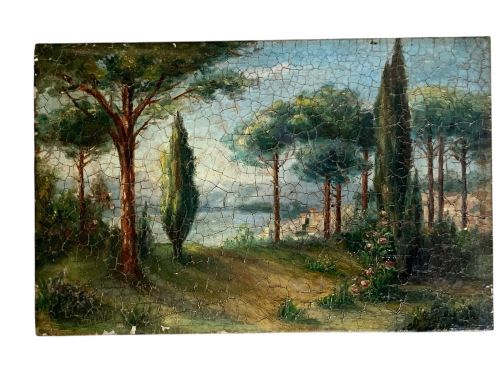
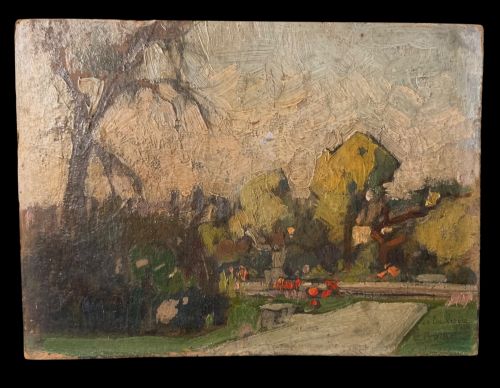
When searching for fine art oil panel pieces, collectors encounter portable paintings executed on wooden boards, oak panels, and occasional zinc supports. These works span multiple centuries, ranging from seventeenth-century Dutch golden age pieces and Jacobean portraits to nineteenth-century Victorian genre scenes and early twentieth-century British landscapes.
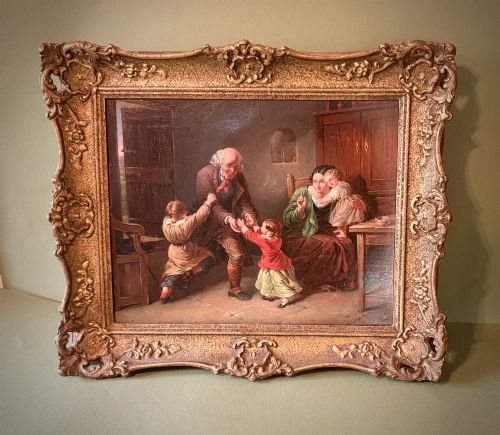
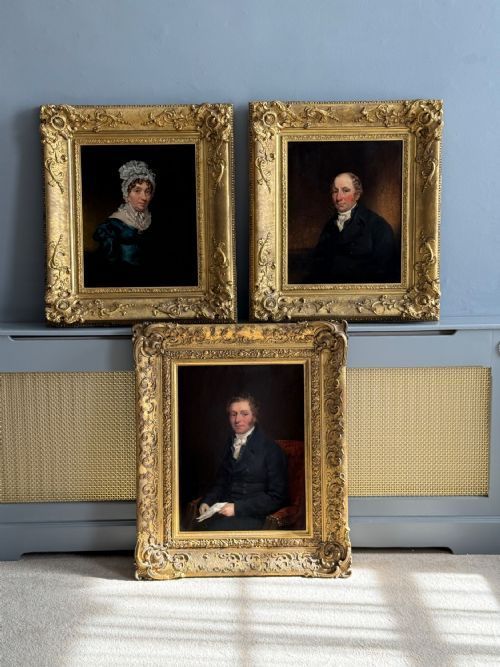
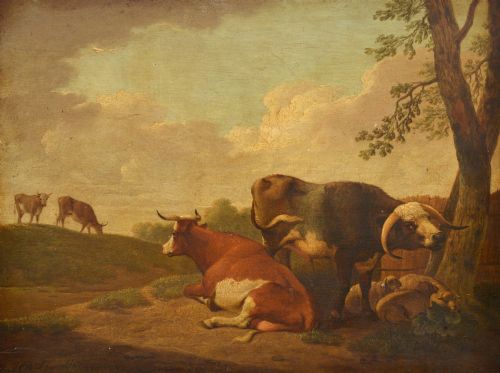
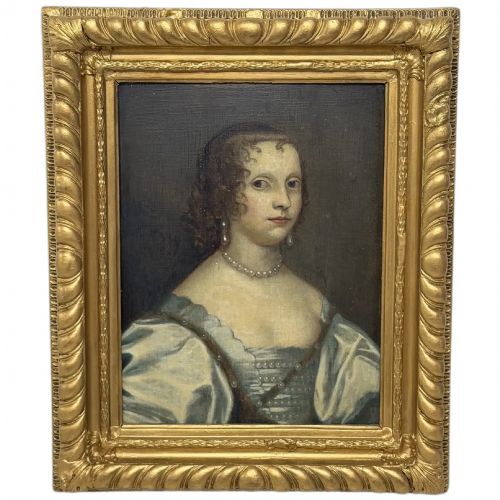
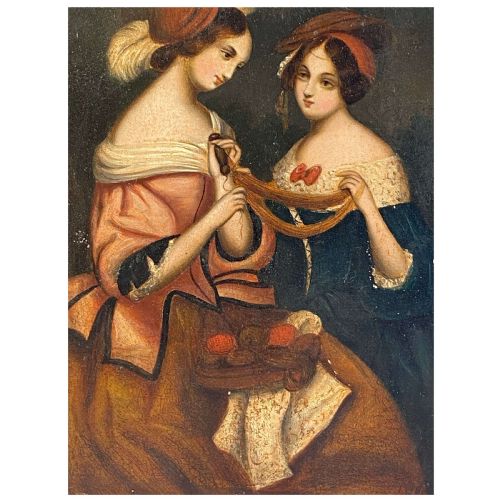
The selection includes formal aristocratic portraits, intimate domestic interiors, pastoral landscapes with livestock, and coastal views. Portraiture from the seventeenth and eighteenth centuries sits alongside impressionist landscapes and modernist interiors, reflecting a continuous tradition of painting on rigid grounds.
Works on this page originate from various European schools, encompassing British, French, Dutch, and Viennese artists. Painters utilised the smooth, stable surface of panels to achieve fine detail and lasting durability across centuries of display.
How They Were Made
Artists applied oil paint directly onto prepared wood panels, oak boards, or metal supports like zinc. The rigid substrate required careful preparation with gesso or priming layers to ensure the oil medium adhered correctly and maintained its stability over time.
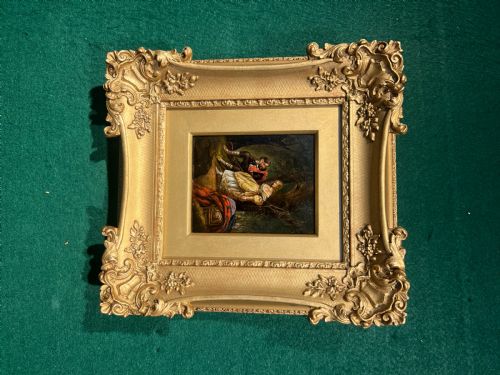
Framing often involved period giltwood mouldings that complemented the richness of the painted surface. The combination of dense wood panels and traditional oil pigments allowed makers to build up thin glazes and precise brushwork characteristic of academic and golden age traditions.
Fine Art Oil Panel Retail Price Guide 2026
Typical asking prices for fine art oil panel among the pieces listed under this phrase on Sellingantiques today, from the lower quarter to the upper quarter. They describe what is for sale here now, not the wider market.
Several panels preserve intimate glimpses of domestic life, including dogs begging by hearths and artists painting bashful bathers.
What Varies In Quality
Quality depends upon the skill of the brushwork and the anatomical or spatial accuracy achieved by the painter. Superior examples demonstrate confident handling of light, shadow, and texture, particularly in facial expressions, fabric folds, and atmospheric landscapes.
The integrity of the underlying wood panel influences the overall standard of a piece. Well-seasoned timber that resists warping and cracking preserves the pigment layer far better than unstable supports subject to environmental shifts.
Cornelius Johnson·Pierre Mignard·Joseph Clover·Hendrik Willem Schweickhardt·Benjamin Eugene Fichel·Edouard Julien·Sir David Murray·William Etty·Pieter Cornelis Dommersen·Cornelis Van Poelenburgh·Manet·Florence Hess·John Henry Dell·Hans Temple·Paul Leon Jazet·Jeffrey Pratt·Théophile Emmanuel Duverger·Kershaw Schofield·Balthasar Denner·Joseph Emmanuel Weiser·Sir Thomas Lawrence
The Fine Art Oil Panel Glossary
- Oil on panel
- A painting technique where oil paint is applied to a wooden board rather than canvas. This method offers a hard, smooth surface favoured by portraitists and landscape painters for centuries.
- Genre painting
- The pictorial representation of scenes from everyday life, typically depicting ordinary people in domestic interiors or street settings. These works capture social habits and common activities of past eras.
- Giltwood
- Wood carved and coated with gold leaf or a gold-coloured metallic finish. It appears frequently on the ornate frames enclosing antique paintings.
- Gesso
- A white paint mixture consisting of a binder mixed with chalk, gypsum, or pigment. It served as a prepared ground layer on wooden panels before the artist applied oil paint.
- Dutch Golden Age
- A period in Dutch history spanning the seventeenth century wherein painting flourished with remarkable realism and mastery of light. Works from this tradition often feature meticulous interior scenes and portraits.
Fine Art Oil Panel: Frequently Asked Questions
What is an oil panel painting?
An oil panel painting is a work of art created with oil-based pigments applied directly onto a rigid wooden support. Painters favoured this method for its smooth surface, which allowed for exceptional detail and durability.
Unlike stretched canvas, wooden panels provided a solid ground that withstood the pressure of detailed brushwork and remained stable over centuries of display.
How do I care for antique wood panels?
Caring for antique wood panels requires maintaining stable indoor humidity and temperature levels to prevent the wood from expanding or contracting. Keep paintings away from direct sunlight and strong heat sources.
Displaying these works in stable environments ensures the wooden support and the oil paint layer remain secure against warping and cracking.
How can I tell the age of a panel painting?
Determining the age of a panel painting involves examining the type of wood used, the preparation layer, and the style of the brushwork. Oak was common in earlier centuries, while later works often utilised various timber boards or alternative supports.
Signatures, framing styles, and historical subject matter further help historians and collectors narrow down the period of creation.
Why did artists paint on wood instead of canvas?
Artists often chose wood panels because the rigid surface offered a smoother texture than woven canvas. This firmness allowed for meticulous detail, particularly in seventeenth-century portraits and miniature scenes.
Panels also provided a sturdy physical barrier that protected the pigments from sagging or tearing over long periods of time.