




Fine Art Bronze
Fine art bronze works bring exceptional sculptural presence to any room, offering lasting character shaped through centuries of metalcasting tradition.
Fine Art Bronze
Fine art bronze objects encompass an array of sculptures, clocks, vases, and desk lamps produced across multiple centuries and stylistic movements. When exploring fine art bronze, buyers frequently encounter works originating from the Victorian era, the Art Nouveau period, and the Art Deco movement.
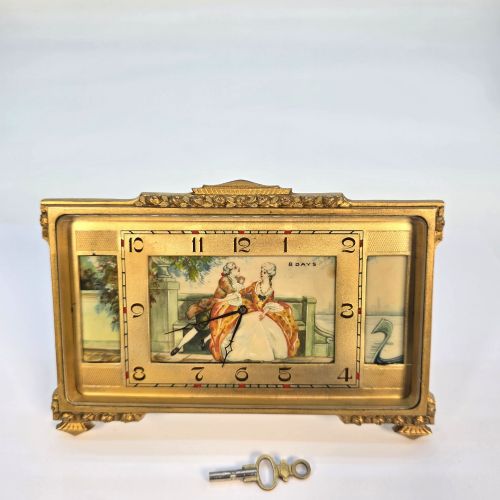
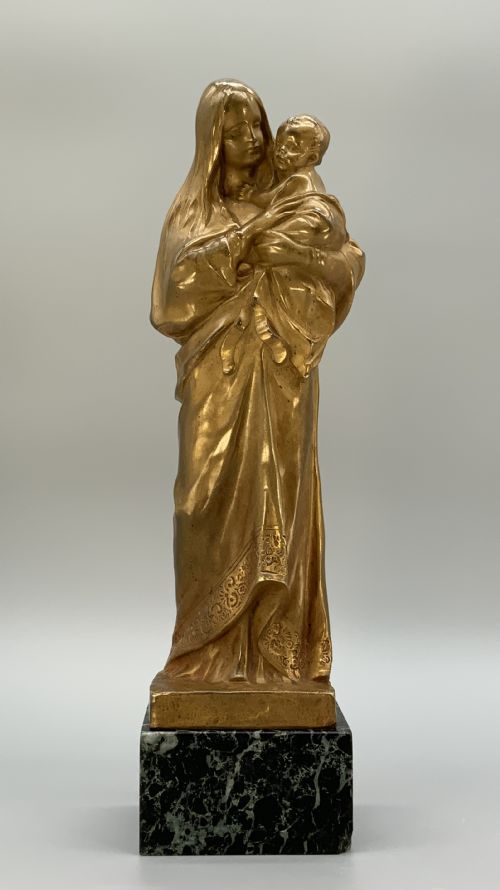
The selection ranges from European figurative sculptures and desk clocks to Japanese Meiji period mixed metal vases and Asian seated Buddha figures. Each piece reflects the distinct aesthetic priorities of its era, whether through classical human forms or intricate decorative vessel designs.
Materials and casting methods
Makers utilised bronze, brass, gilt bronze, and copper to cast durable figures, vessels, and functional objects. Patination techniques were applied to alter the surface colour of the metal, creating rich dark tones or aged patinas that highlight fine sculptural detail.
Mixed metal applications and enamel work appear on select Japanese items, combining contrasting metal elements within a single vase or charger. Gilt bronze and gilt brass components also provide luminous metallic surfaces on decorative clocks and lamps.
Fine Art Bronze Retail Price Guide 2026
Typical asking prices for fine art bronze among the pieces listed under this phrase on Sellingantiques today, from the lower quarter to the upper quarter. They describe what is for sale here now, not the wider market.
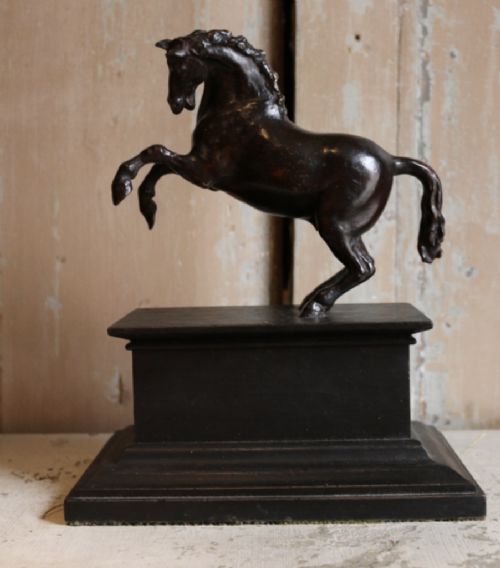
One determined horse managed to rear across the seventeenth century without dropping its stable.
Distinctions in craftsmanship and finish
The degree of crispness in chased and finished details separates standard castings from exceptional sculptural works. A master caster ensures that facial expressions, drapery folds, and surface textures remain sharp and expressive after the metal cools.
The depth and consistency of the patination or gilding significantly influence the visual impact of an object. Superior examples display harmonious surface treatments that age gracefully and retain their intended lustre without obscuring the underlying metalwork.
Hans Müller·Julien Lorieux·Sir Thomas Brock·Carl Kauba·Charles Anfrie·Louis Ernest Barrias
The Fine Art Bronze Glossary
- Patination
- The process of treating a metal surface with chemicals and heat to produce a specific colour or aged appearance. This layer protects the underlying bronze while enhancing its visual depth.
- Gilt bronze
- Metal cast in bronze and subsequently coated with a thin layer of gold or gold amalgam. It creates a brilliant, durable surface finish often seen on decorative clocks and lamps.
- Cloisonné
- An ancient technique for decorating metal object surfaces, using wire compartments filled with enamel paste and fired. Japanese Meiji period examples showcase this intricate method.
- Mixed metal
- The combination of different metallic alloys within a single piece to create contrasting colours and textures. This approach is characteristic of fine Japanese decorative arts from the late nineteenth century.
Fine Art Bronze: Frequently Asked Questions
What periods do these pieces represent?
The collection spans various periods including the seventeenth century, the Victorian era, and early twentieth-century movements like Art Nouveau and Art Deco.
Individual pieces also reflect Asian traditions such as the Ayutthaya period and the Japanese Meiji era.
How were patinated bronze sculptures finished?
Artisans applied chemical treatments and heat to the bare metal surface to develop distinctive patinas.
This process accentuated sculptural details and provided a stable protective layer over the bronze.
Where were these metal objects placed in a home?
Figures and sculptures served as decorative desk studies or mantel ornaments in period interiors.
Functional items like clocks and notary lamps combined utility with sculptural artistry.
How do I identify a Meiji period Japanese vase?
Meiji period vessels often utilise mixed metals or cloisonné enamel work to create intricate decorative patterns.
These pieces date from the late nineteenth or early twentieth century and exhibit exceptional craftsmanship.